Pixie bob haircuts for older women offer a nice balance between the softness of a bob and the light, easy feel of a pixie. They can add shape around the face, create natural movement, and make styling feel much more manageable. Some versions look polished and neat, while others feel textured and a little more modern. This list highlights pixie bob haircuts for older women that are flattering, practical, and full of style.
22 Pixie Bob Haircuts for Older Women
Soft Layered Pixie Bob
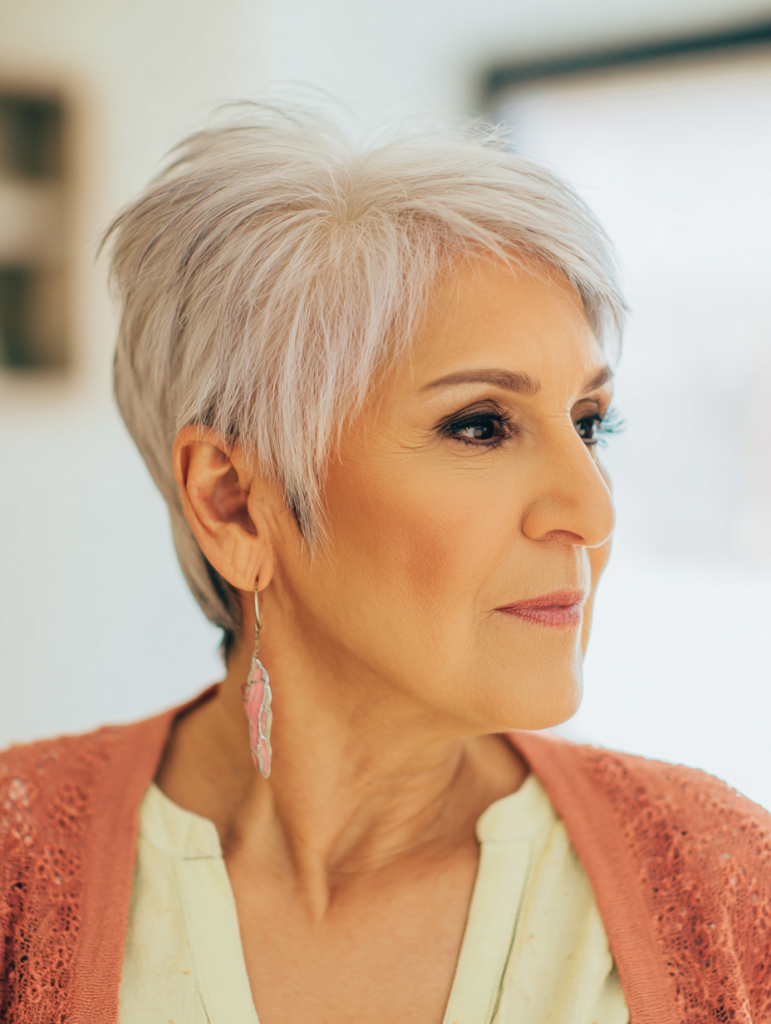
A soft layered pixie bob gives older women a polished shape without feeling stiff or overly styled.
The shorter back keeps it light and easy to manage, while longer top layers add movement around the crown.
This cut works especially well for fine or thinning hair because it creates a fuller outline. It also grows out gracefully, which helps between trims.
You can wear it smooth for a neat finish or tousle it slightly for a more relaxed everyday look.
Stacked Pixie Bob
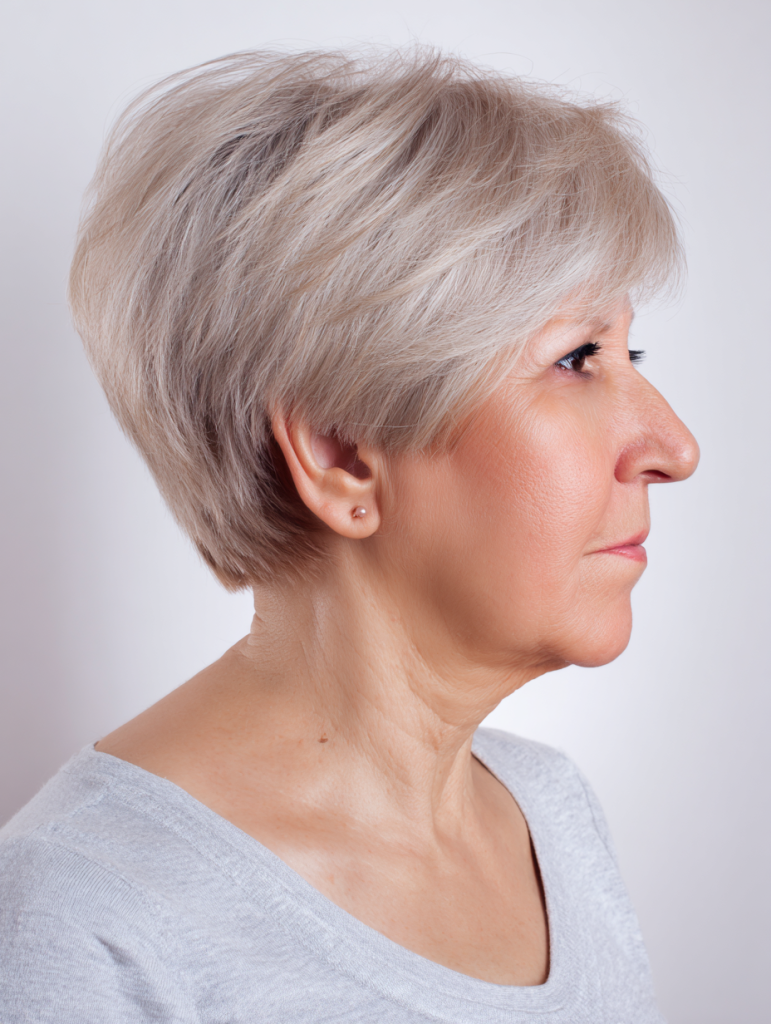
With its built-in shape, a stacked pixie bob brings fullness to the back and a clean curve through the sides.
The graduated layers create lift without needing a lot of styling, which makes mornings easier.
Older women who want structure often love this haircut because it frames the face and keeps the neckline tidy. It suits straight hair beautifully, but soft waves can also bring extra texture.
A round brush and light styling cream are usually enough to keep it looking fresh.
Side Swept Pixie Bob
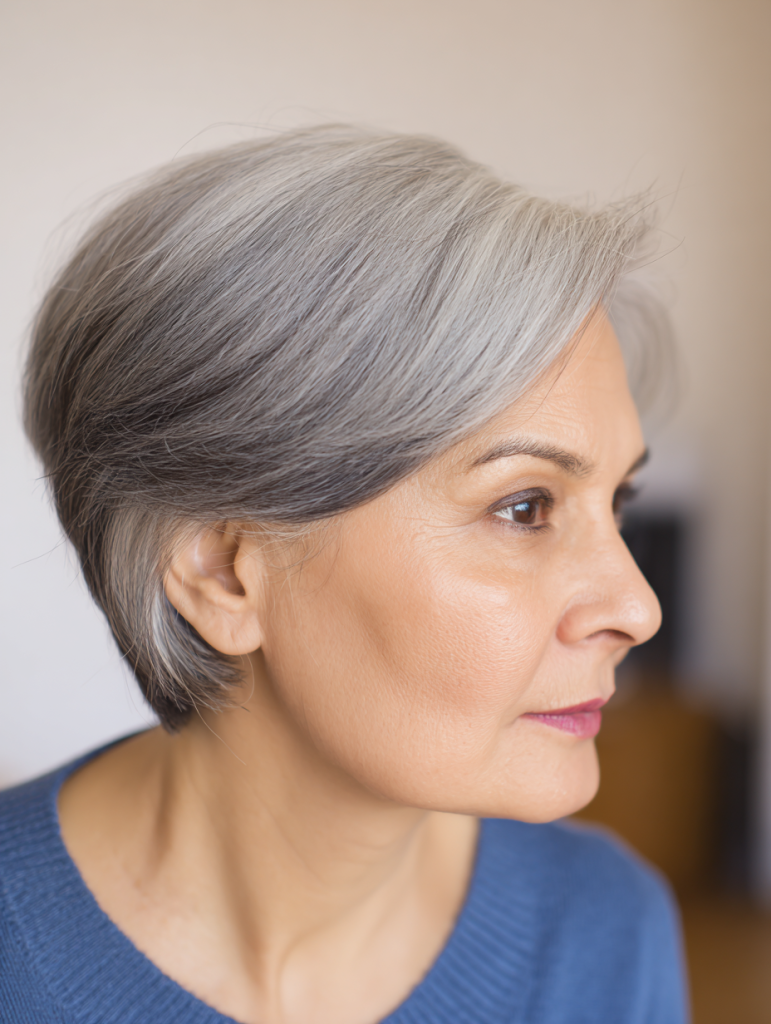
A side swept pixie bob feels flattering, easygoing, and slightly modern without trying too hard.
The side fringe softens the forehead area and adds a gentle diagonal line that helps balance the face.
Shorter layers in the back keep the style lightweight, while the longer front gives you styling flexibility.
This cut can look sleek and refined or soft and airy, depending on how you finish it. It is a great option for women who want short hair with a little softness.
Textured Pixie Bob
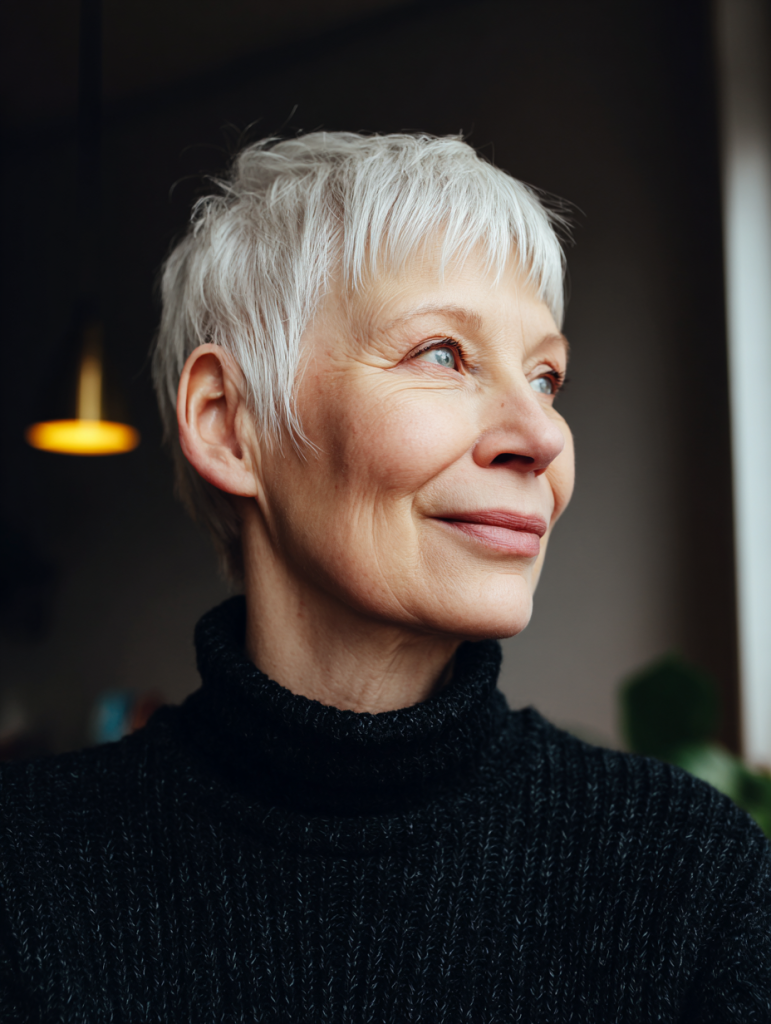
Textured layers can make a pixie bob feel lively, airy, and full of personality.
This version is especially helpful for older women who want short hair that does not lie flat or feel too plain.
Choppy pieces through the crown and sides create movement, while the bob shape keeps the cut balanced and wearable.
It pairs well with natural gray, silver, or highlighted hair because texture helps those tones stand out. A bit of paste or mousse usually brings the shape to life.
Tapered Pixie Bob
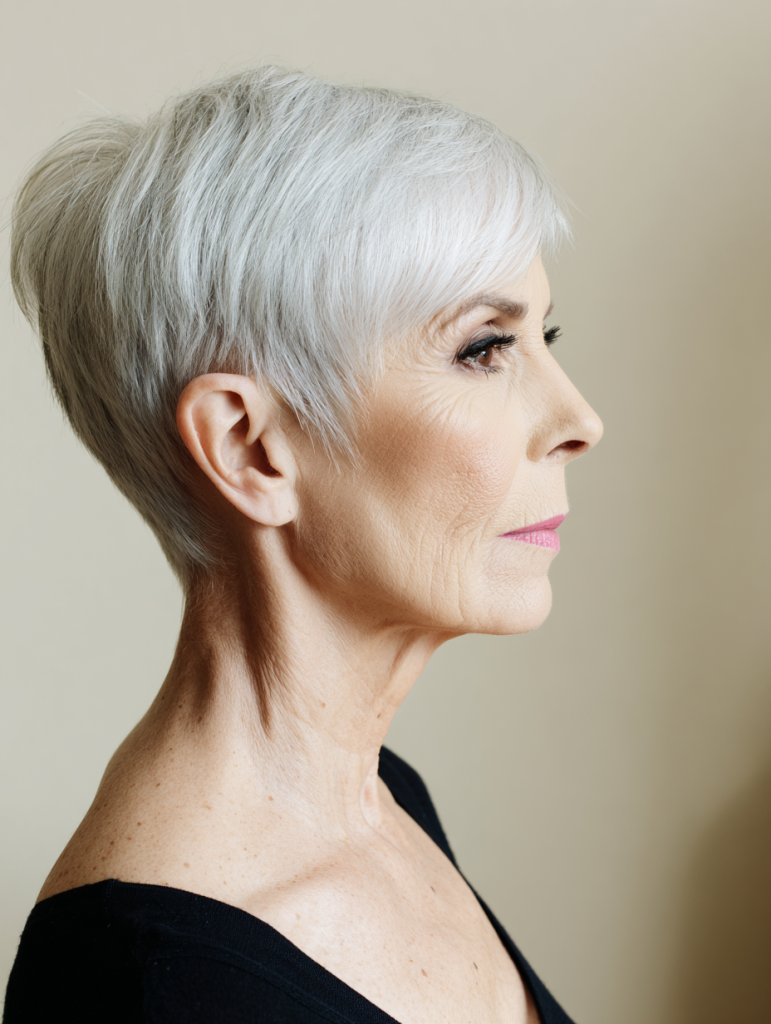
A tapered pixie bob offers a clean silhouette with a softer finish near the face.
The hair gradually shortens toward the nape, which keeps the back neat and comfortable, especially in warmer weather.
Longer sections on top stop the cut from feeling too severe and give you room for light volume. This style is often loved because of how manageable it is during busy weeks.
It works nicely on straight or slightly wavy hair and looks polished even with very little daily effort.
Feathered Pixie Bob
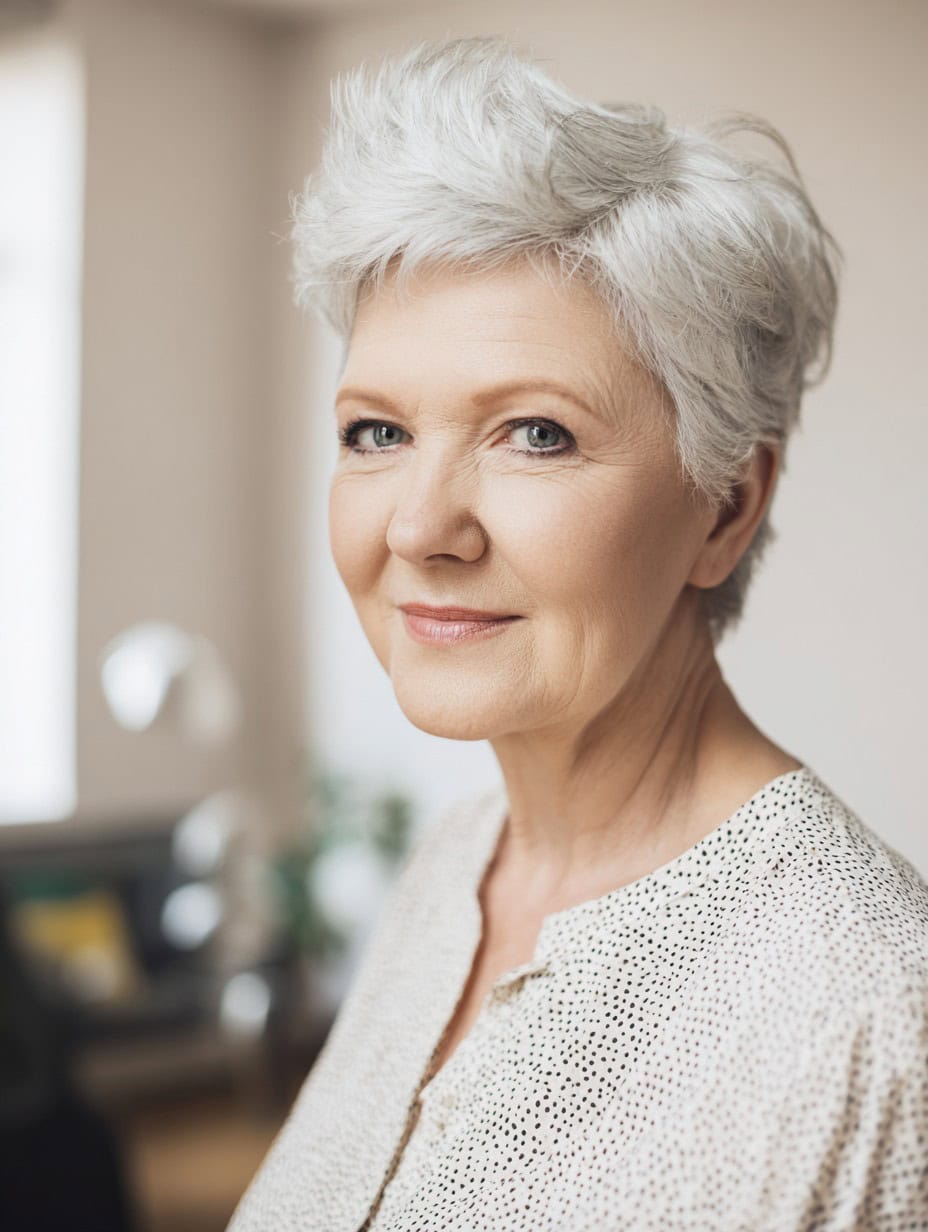
Feathered layers give a pixie bob a light, lifted look that feels soft and flattering.
Instead of heavy lines, this haircut uses airy shaping to create movement around the crown and cheek area.
That makes it a smart choice for older women who want volume without a bulky finish. The style can brighten the face and feels easy to wear from day to day.
Blow drying with a small round brush helps enhance the feathered effect, but the cut still looks good with simple styling.
Wispy Bangs Pixie Bob
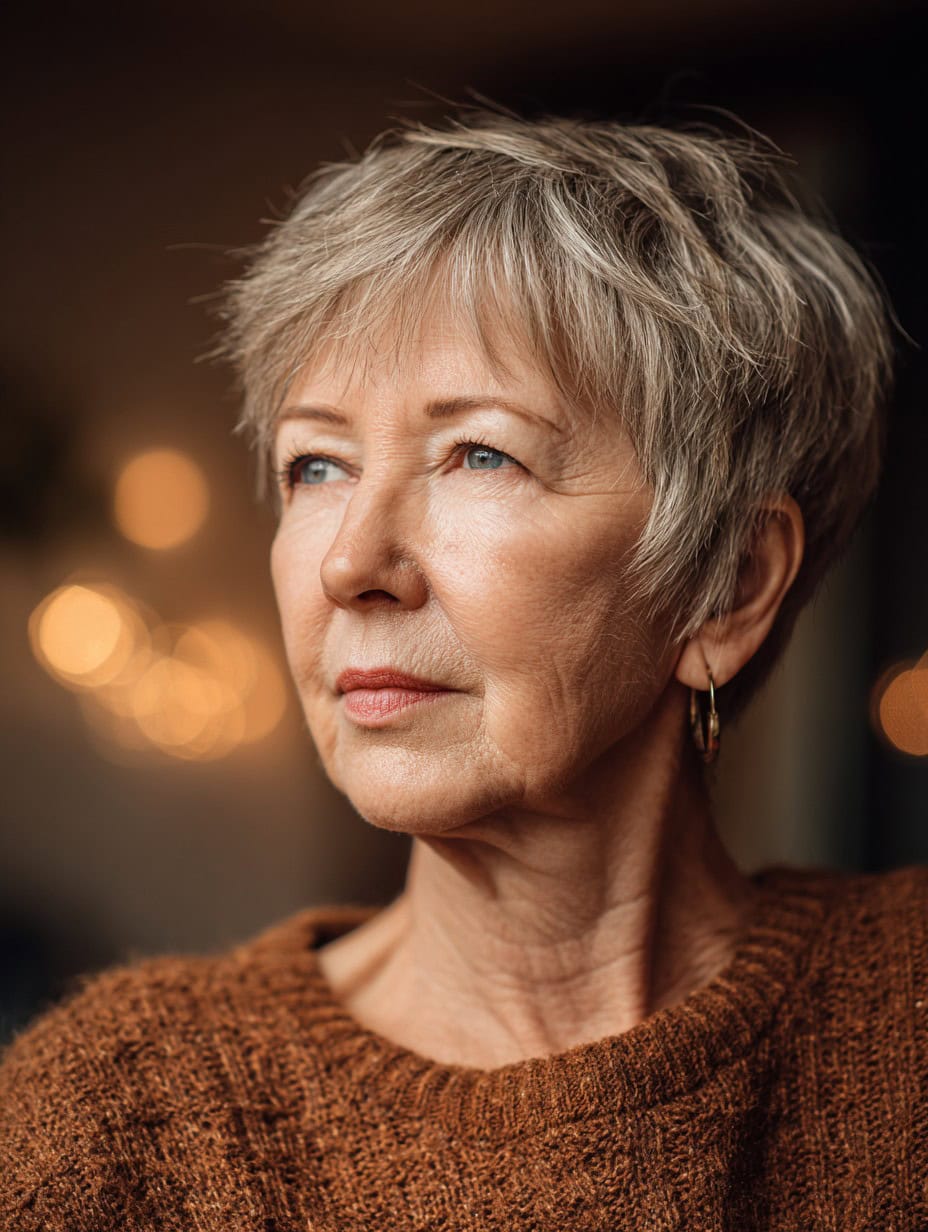
Wispy bangs can make a pixie bob feel softer and more face framing without adding heaviness.
This haircut blends shorter layers in the back with a slightly longer front, giving it a balanced shape that feels fresh and easy to wear.
Older women often like how the bangs gently cover forehead lines while still looking light and natural.
The overall style feels airy rather than severe. It works well on fine hair and only needs a little brushing and light product to stay in place.
Choppy Pixie Bob
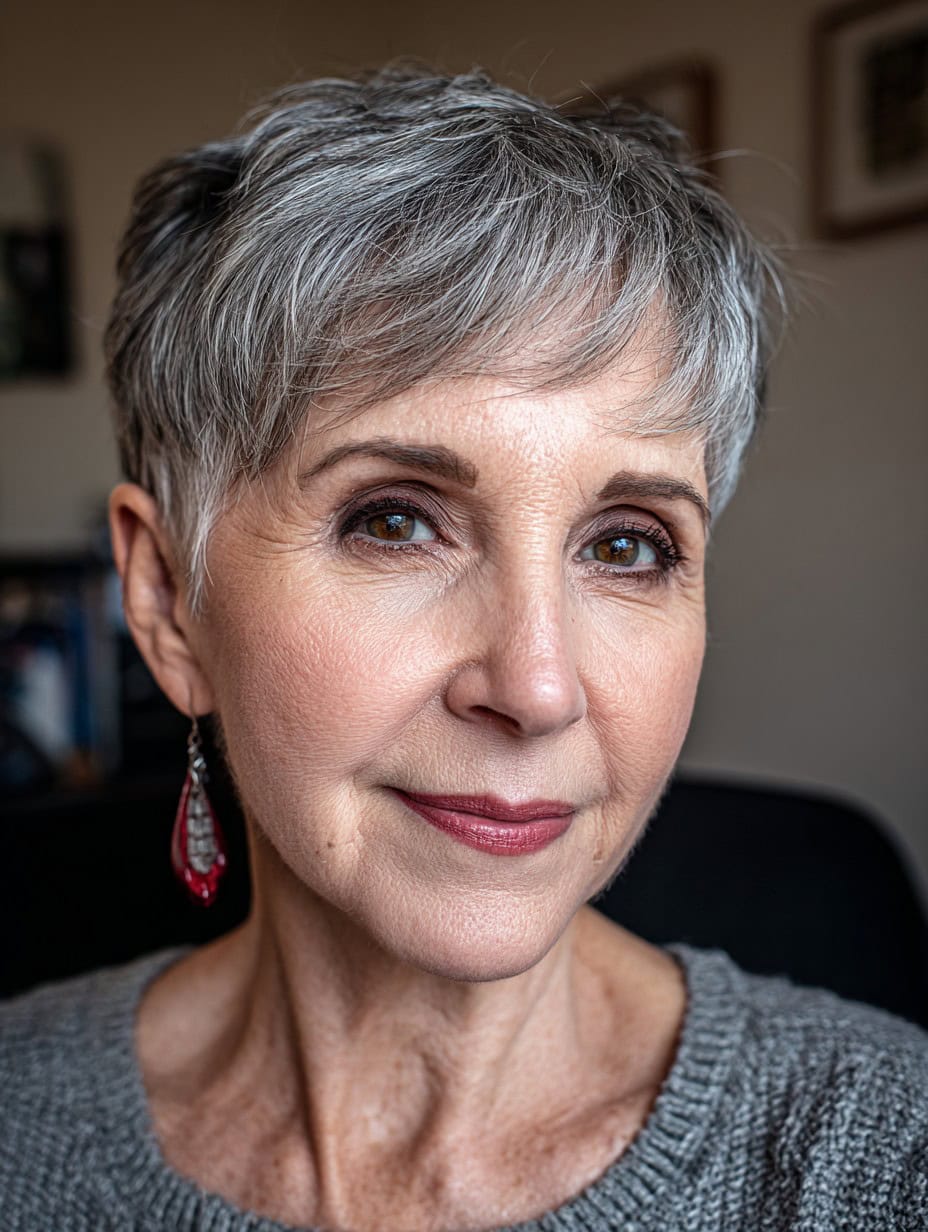
A choppy pixie bob brings extra texture and shape, which can make short hair look more modern and full.
The uneven layers create movement throughout the cut, helping older women avoid a flat or overly rounded finish.
This style is especially nice for adding life to fine or straight hair. It can look a little playful while still feeling polished enough for everyday wear.
A touch of styling paste helps separate the pieces and makes the texture stand out without making the hair feel stiff.
Classic Pixie Bob
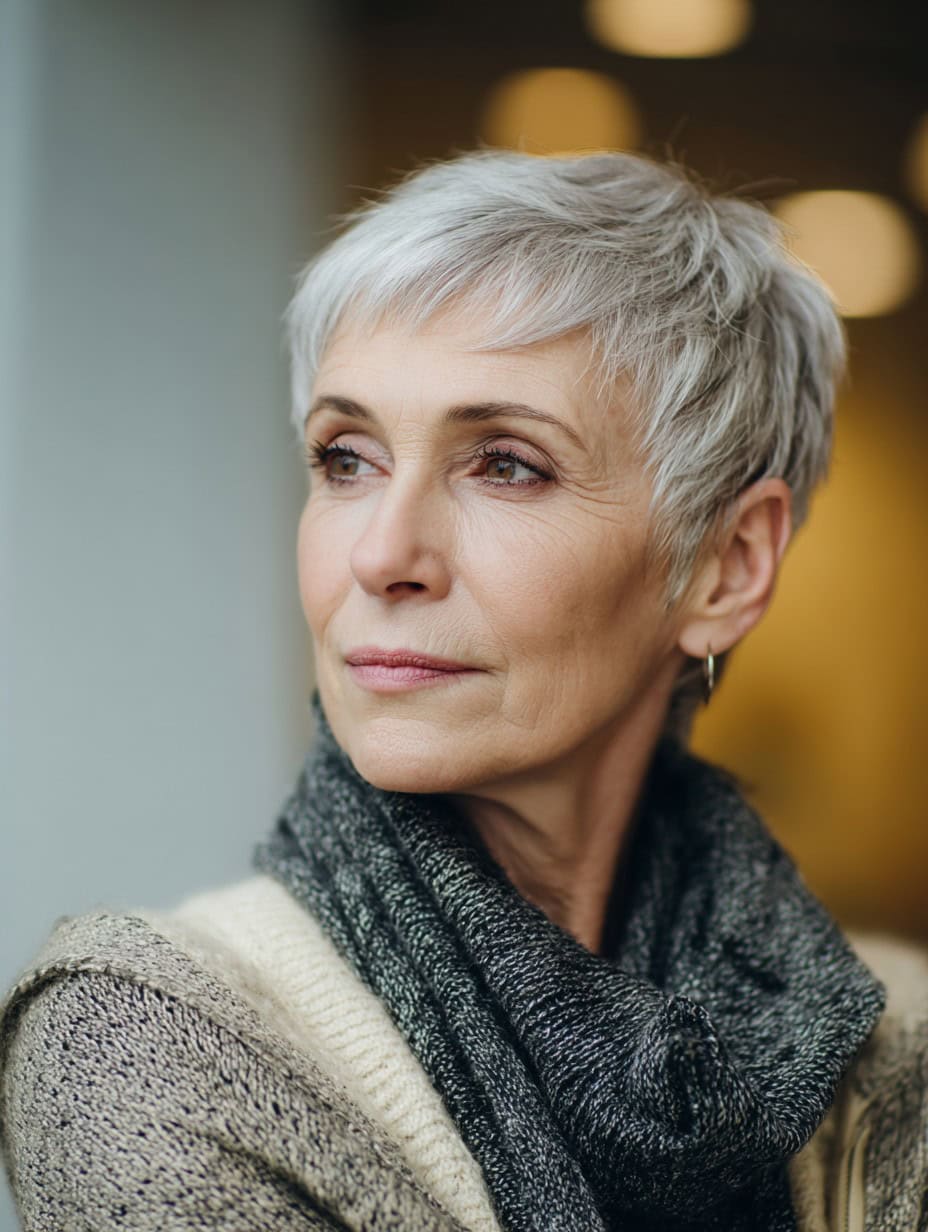
Sometimes the best haircut is the one that keeps everything simple, flattering, and easy to maintain.
A classic pixie bob combines a neat short back with slightly longer layers around the crown and sides.
The result is balanced, timeless, and suitable for a wide range of face shapes. Older women often choose this cut because it feels polished without asking for too much daily styling.
It also works well with natural gray or colored hair, making it a reliable option for an updated but familiar look.
Angled Pixie Bob
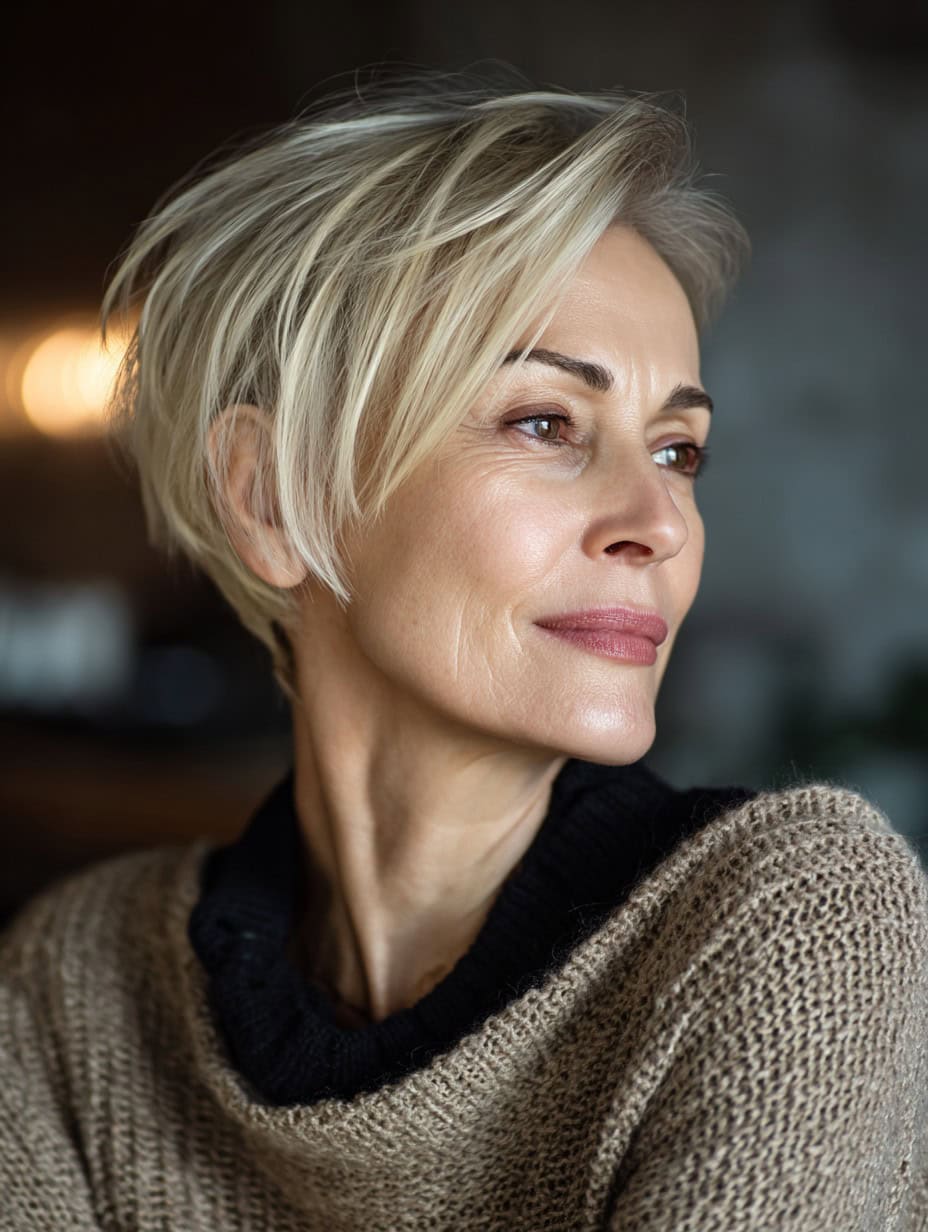
An angled pixie bob creates a sleek shape by keeping the back shorter and the front slightly longer.
That contrast adds structure and helps frame the jawline in a very flattering way.
Older women who want a sharper, more defined short haircut often enjoy this version because it feels neat but still stylish. The angle gives the hair a sense of direction, which can make fine hair appear fuller.
Straight textures show off the shape best, though a soft wave can make it feel more relaxed.
Tousled Pixie Bob
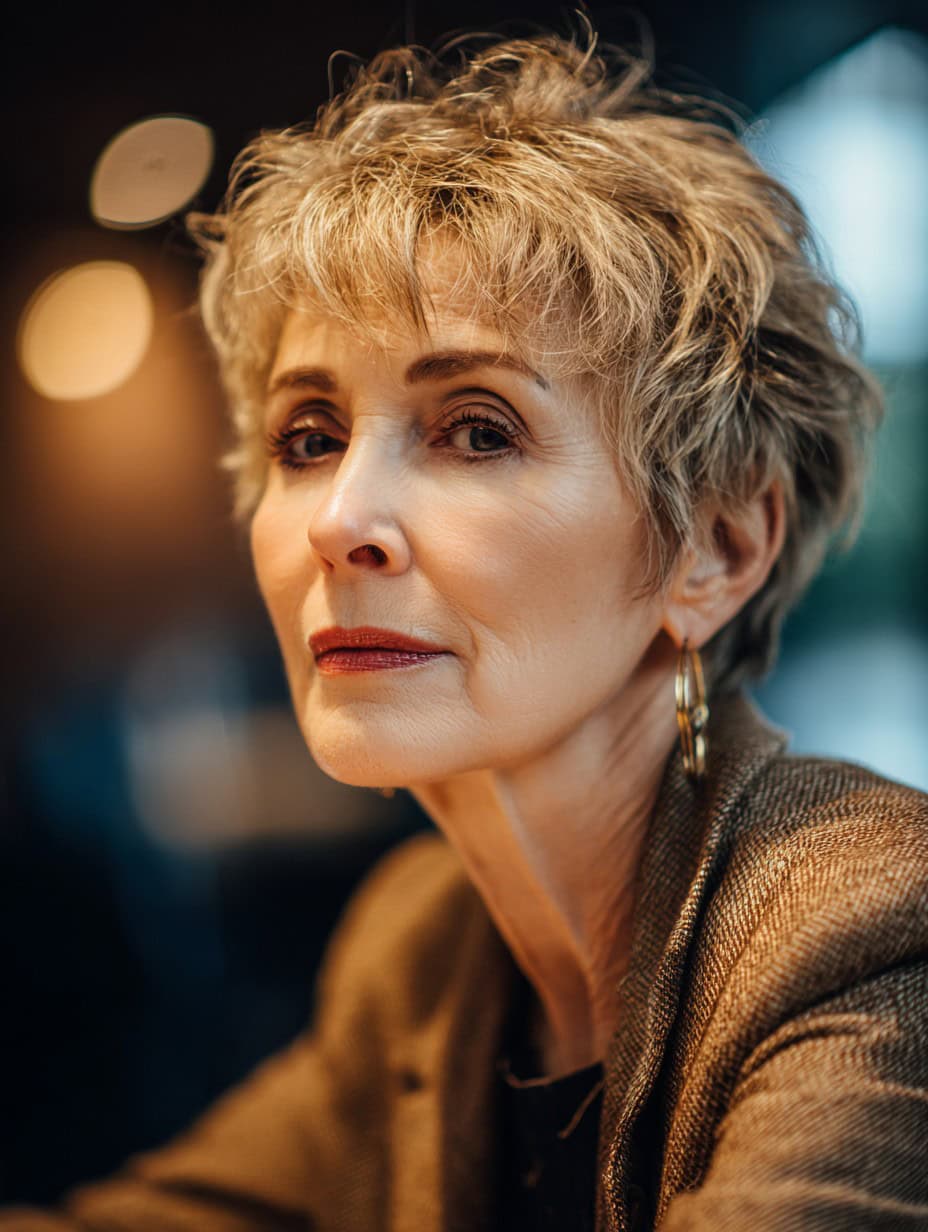
A tousled pixie bob has an effortless finish that feels casual, soft, and full of movement.
The cut uses short layers in the back and crown, with enough length on top to create a lightly undone texture.
Older women who want something low pressure often love this style because it does not need to look perfect to look good.
It suits natural waves especially well, but straight hair can also achieve the same effect with a bit of mousse. The overall shape stays light and flattering.
Long Top Pixie Bob
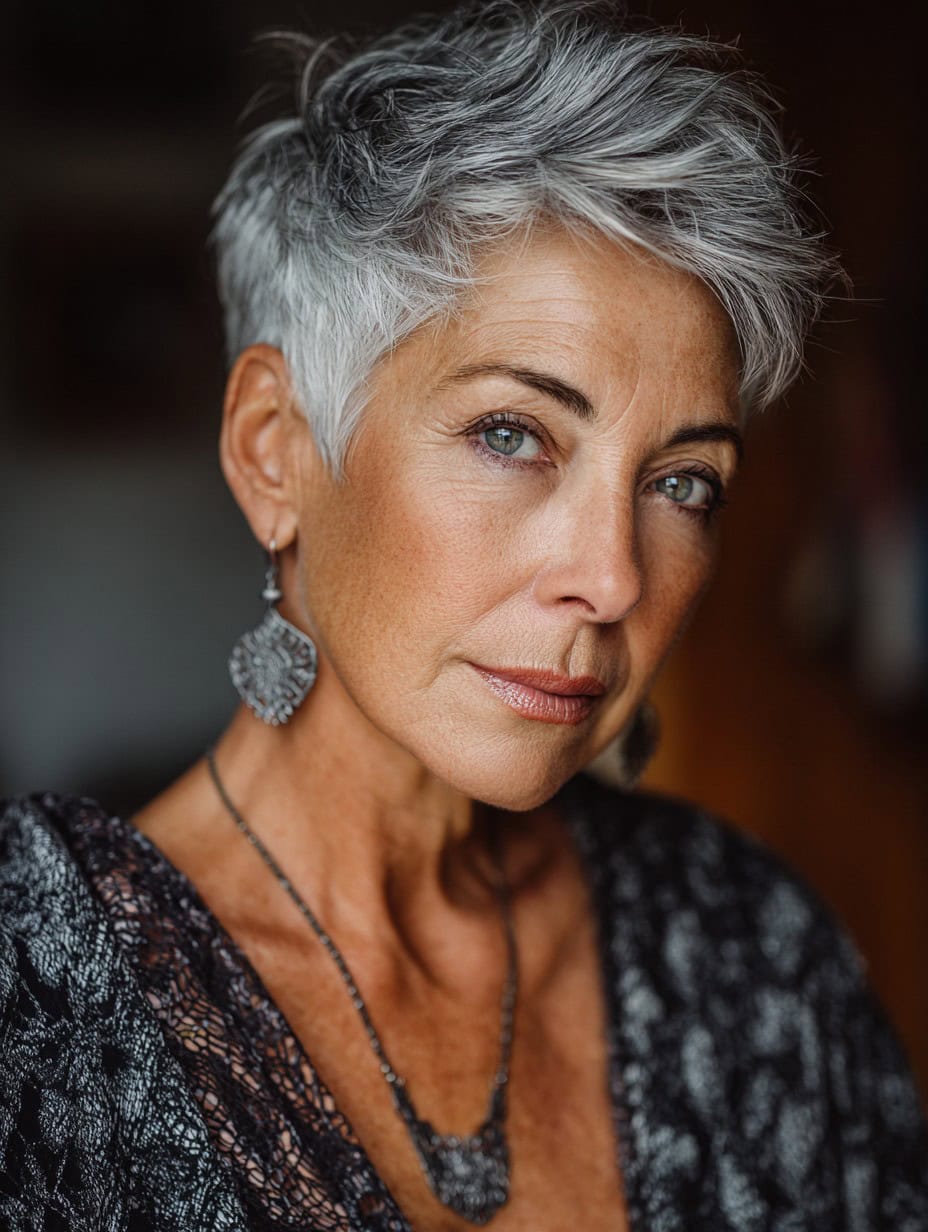
Keeping more length on top gives a pixie bob added flexibility and a slightly fuller appearance.
This version still has the short, manageable back that makes the haircut practical, but the longer top layers allow for side sweeping, soft lift, or gentle texture.
Older women who want short hair without losing styling options often find this cut appealing.
It can help create height at the crown, which is useful for fine hair. The longer top also makes the style feel softer and less cropped.
Rounded Pixie Bob
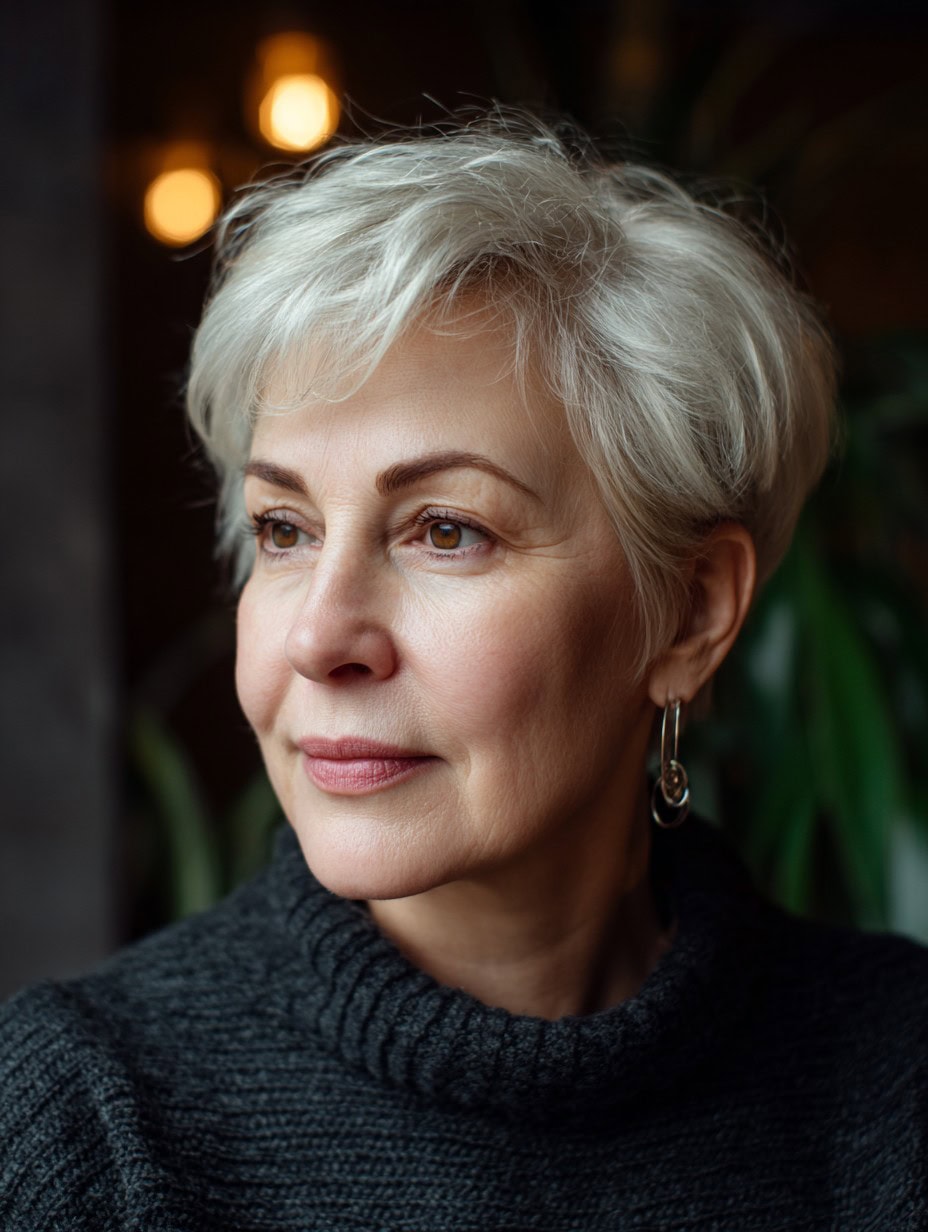
A rounded pixie bob creates a smooth, balanced shape that feels neat without looking too stiff.
The layers curve gently around the head, giving older women a fuller silhouette that can be especially helpful for fine hair.
This cut keeps the neckline short and clean while leaving enough softness through the sides. It has a polished finish that works well for both casual days and dressier moments.
A quick blow dry with a round brush usually helps maintain the shape with very little effort.
Silver Friendly Pixie Bob
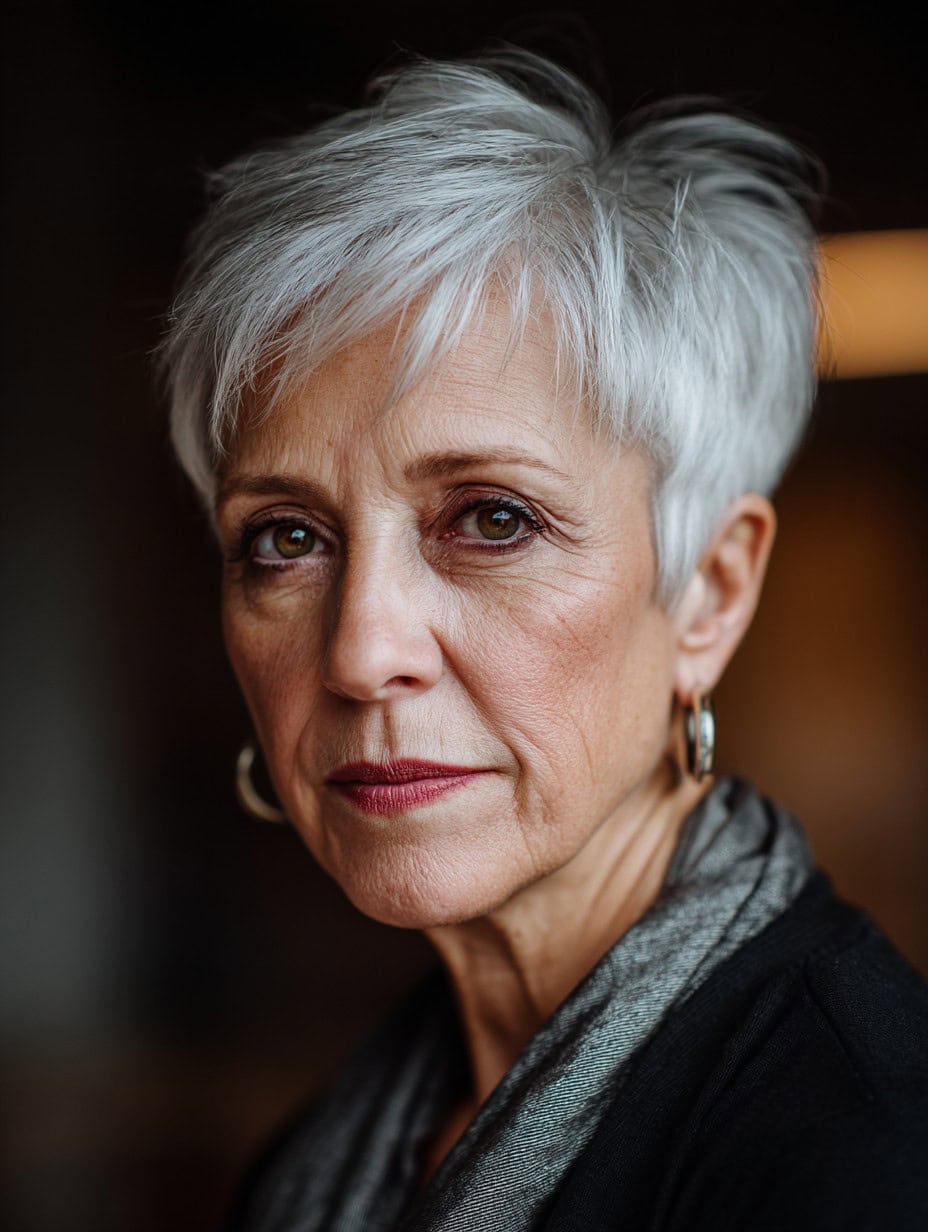
Gray and silver tones look especially beautiful in a pixie bob that has soft layers and clear shape.
This haircut keeps the back light and easy while allowing the top and front to show dimension.
Older women often like how the cut helps natural silver hair look intentional, fresh, and well styled. The shorter length can also make coarse or wiry strands easier to manage.
Adding a little texture cream or smoothing product helps bring out shine and keeps the shape looking clean all day.
Pixie Bob with Deep Side Part
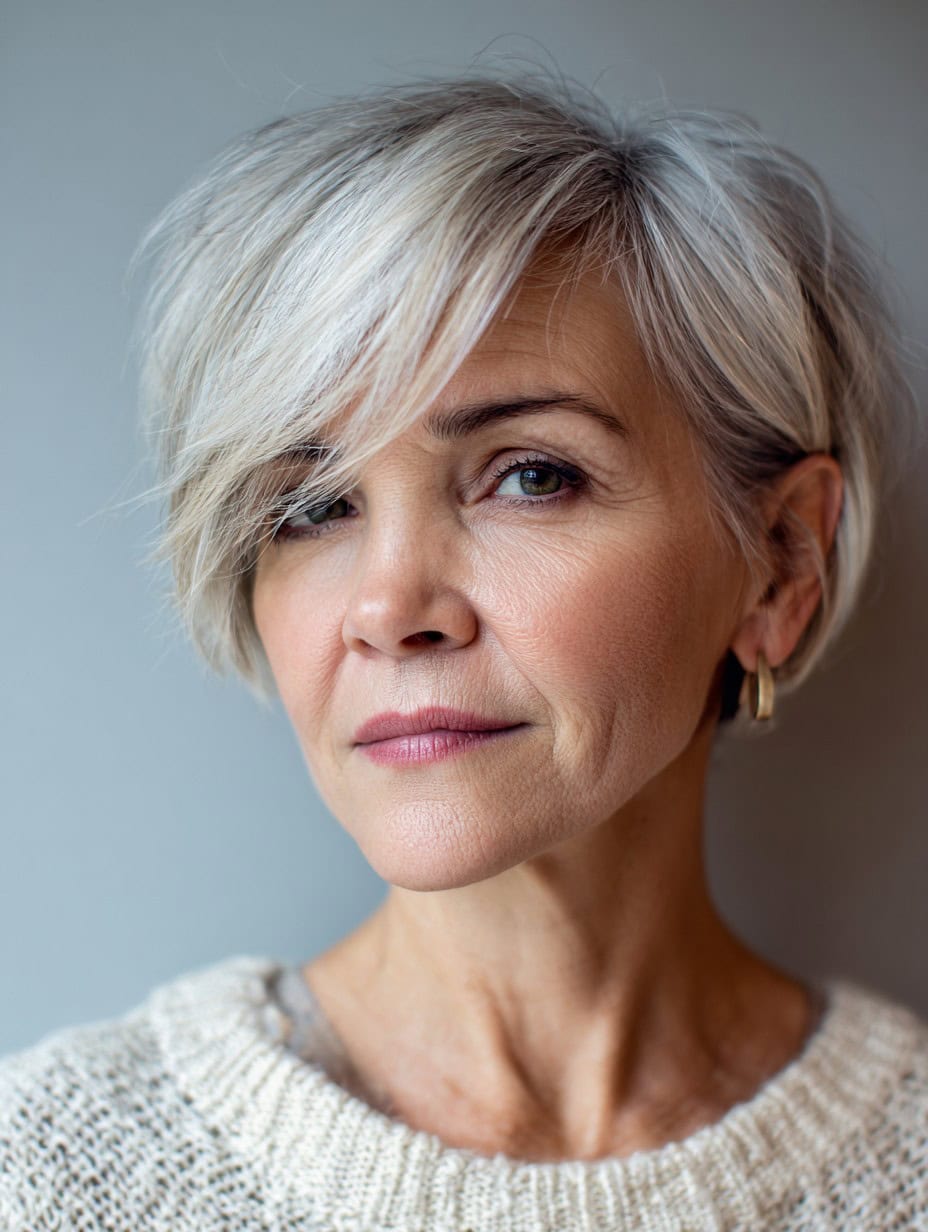
Changing the part can completely shift the feel of a short haircut, and a deep side part adds instant softness.
This pixie bob keeps the back cropped and manageable while the longer front sweeps across the forehead for a flattering finish.
Older women often choose this style because it brings gentle volume and helps the hair look fuller near the crown. It feels elegant without being too formal.
The side part also gives you an easy way to refresh the look from one day to the next.
Pixie Bob with Soft Undercut
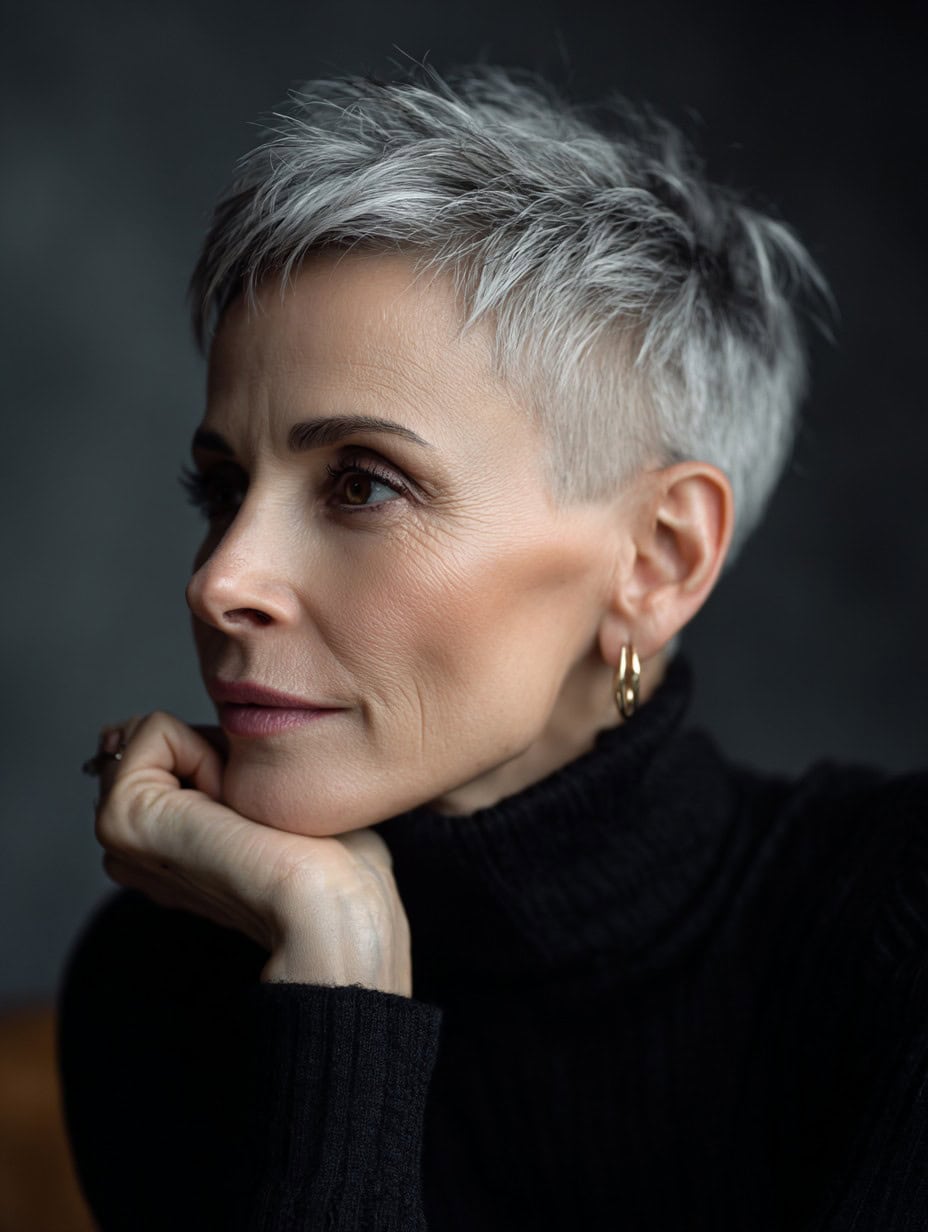
A soft undercut pixie bob removes extra bulk underneath while keeping the outer shape smooth and wearable.
The hidden shorter section makes the haircut lighter and easier to style, especially for thicker hair.
Older women who want a modern cut without anything too dramatic may like this approach. The top layers still provide softness, so the finished look stays flattering and approachable.
It is practical in warm weather and helps the hair sit closer to the head without losing movement where it matters.
Wavy Pixie Bob
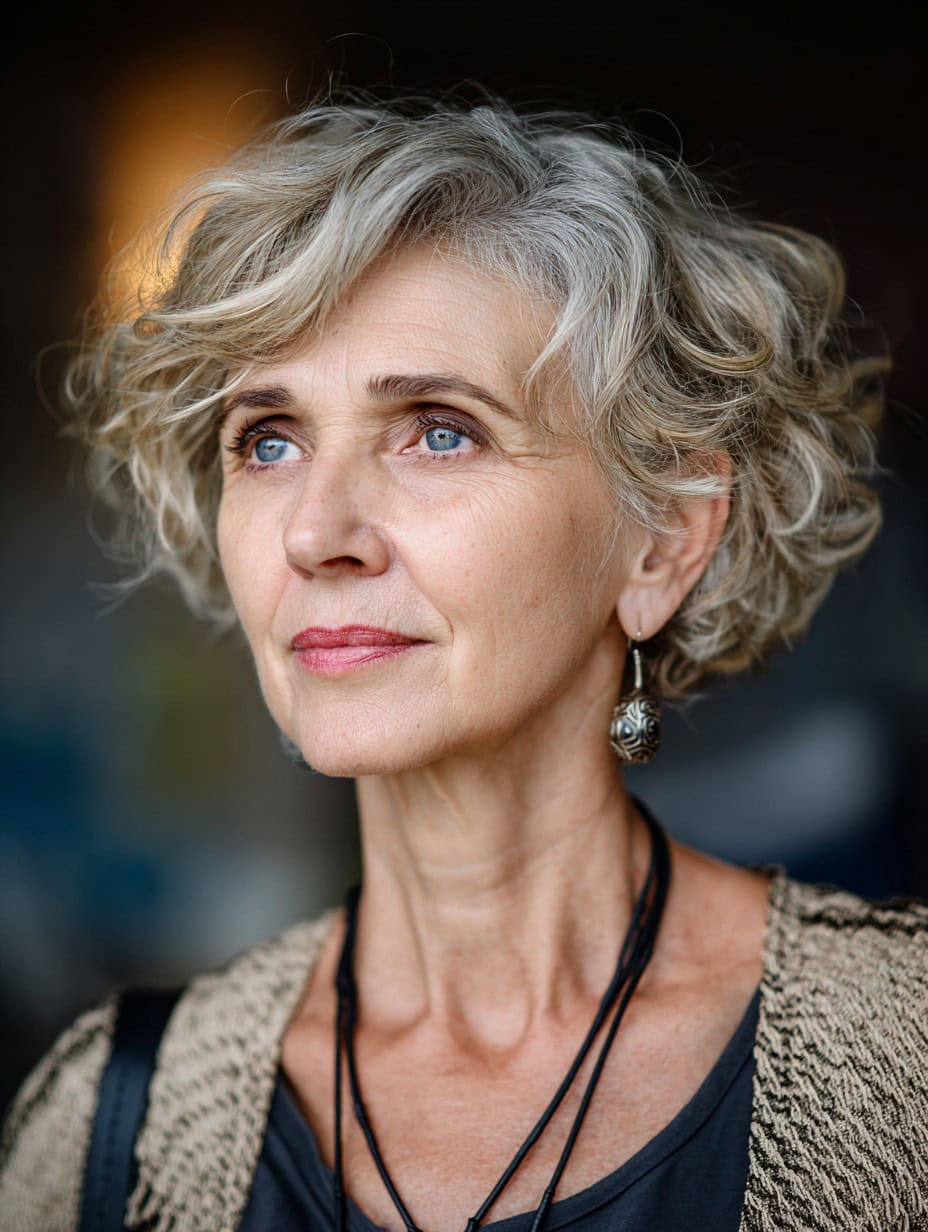
Natural waves can make a pixie bob feel lively, soft, and beautifully effortless.
This version keeps the back shorter to control the shape, while the longer top and front allow the wave pattern to show.
Older women often find this cut easy to live with because the texture does a lot of the styling on its own. It adds body without needing much teasing or heat work.
A lightweight cream can define the waves and reduce puffiness while keeping the haircut relaxed and flattering.
Pixie Bob with Crown Volume
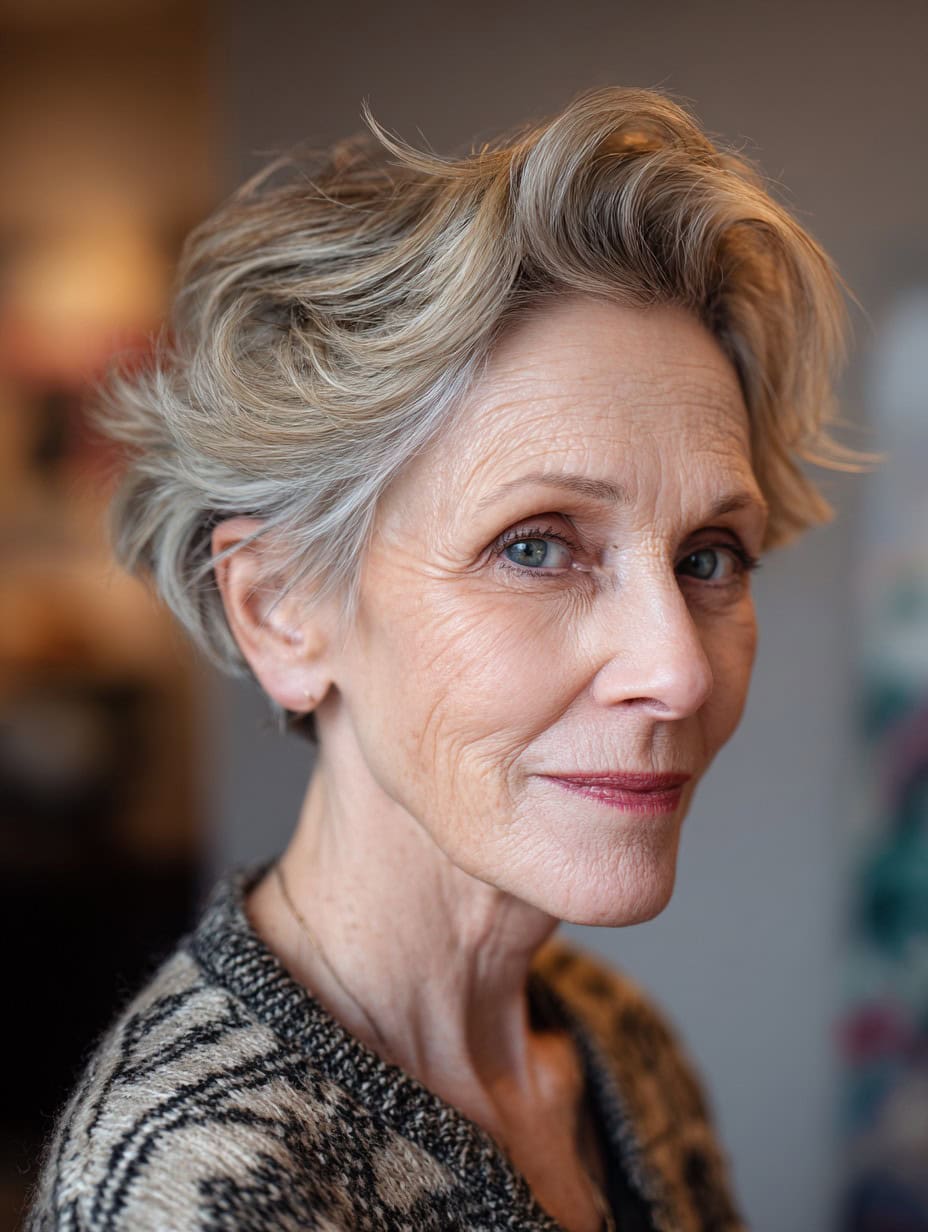
A little extra lift at the crown can make a pixie bob look fuller and more youthful without feeling overdone.
This haircut uses shorter layers in back and strategic shaping on top to build height where it matters most.
Older women with fine or thinning hair often appreciate how this style adds structure and movement. The overall look stays short and manageable, but it does not fall flat.
Blow drying the top upward with a brush can help maintain the volume and keep the shape balanced.
Pixie Bob with Side Bangs
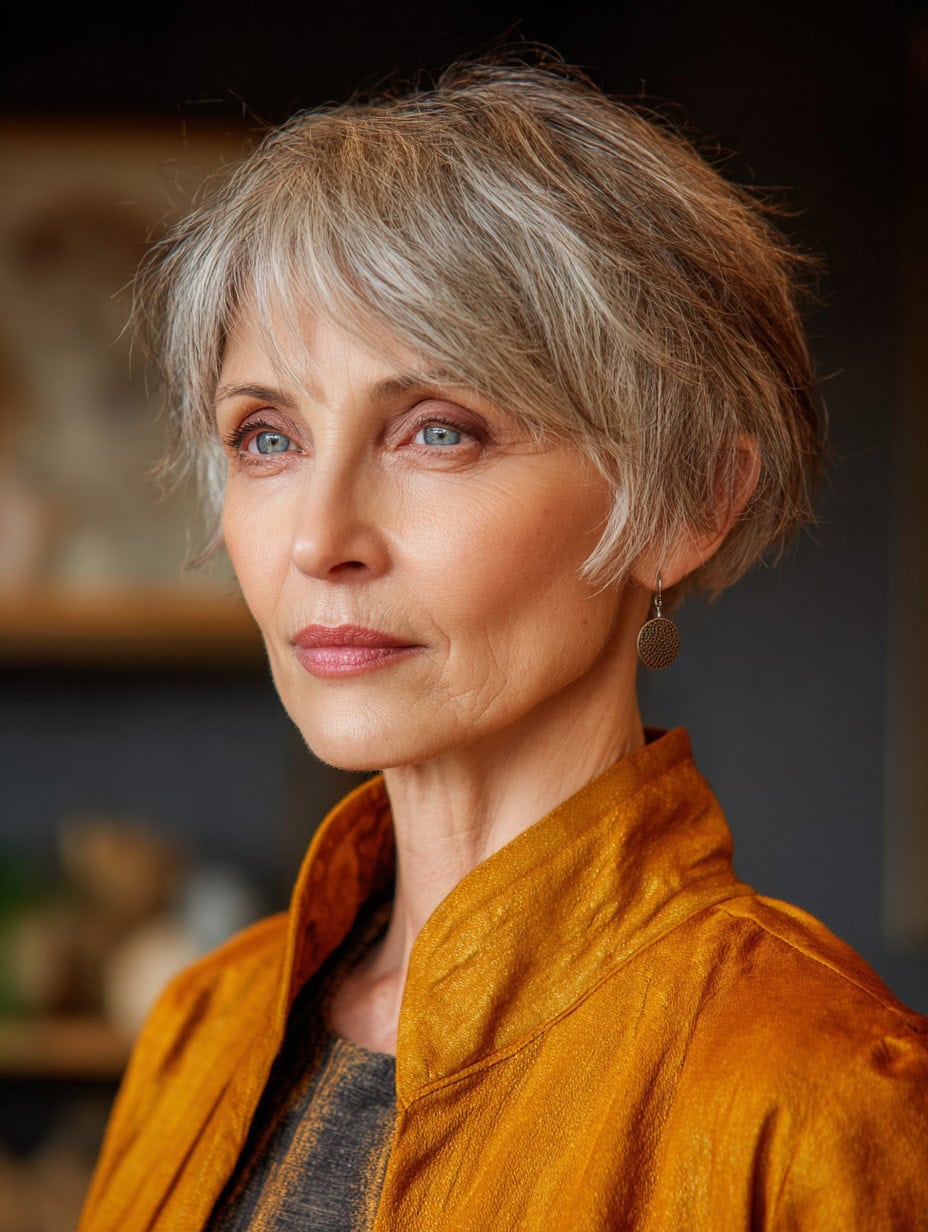
Side bangs can make a pixie bob feel softer and more flattering, especially around the forehead and cheek area.
This style keeps the back short and easy to manage while the longer fringe adds movement across the front.
Older women often like how side bangs bring a gentle, face framing effect without feeling heavy.
The shape is versatile enough for straight, wavy, or lightly textured hair. It can look smooth and polished or slightly tousled, depending on how you style it each day.
Shaggy Pixie Bob
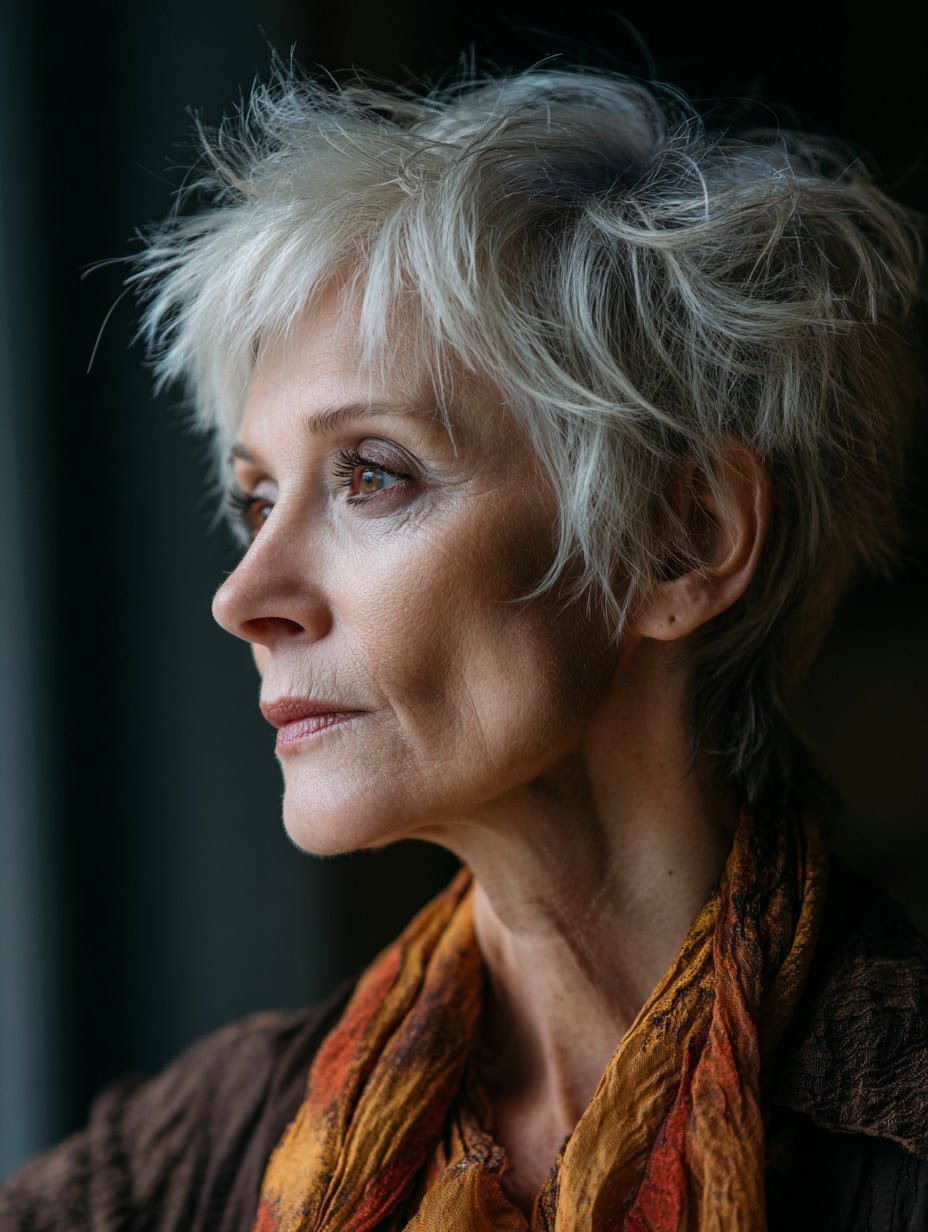
A shaggy pixie bob has a relaxed finish that brings texture, softness, and plenty of easy movement.
The layers are cut to look airy rather than perfectly smooth, which gives older women a more casual and modern short hairstyle.
This cut works well when you want volume without a stiff shape or too much upkeep. It is especially helpful for adding life to fine hair and removing weight from thicker hair.
A small amount of texturizing product helps define the layers without making them feel heavy.
Sleek Pixie Bob
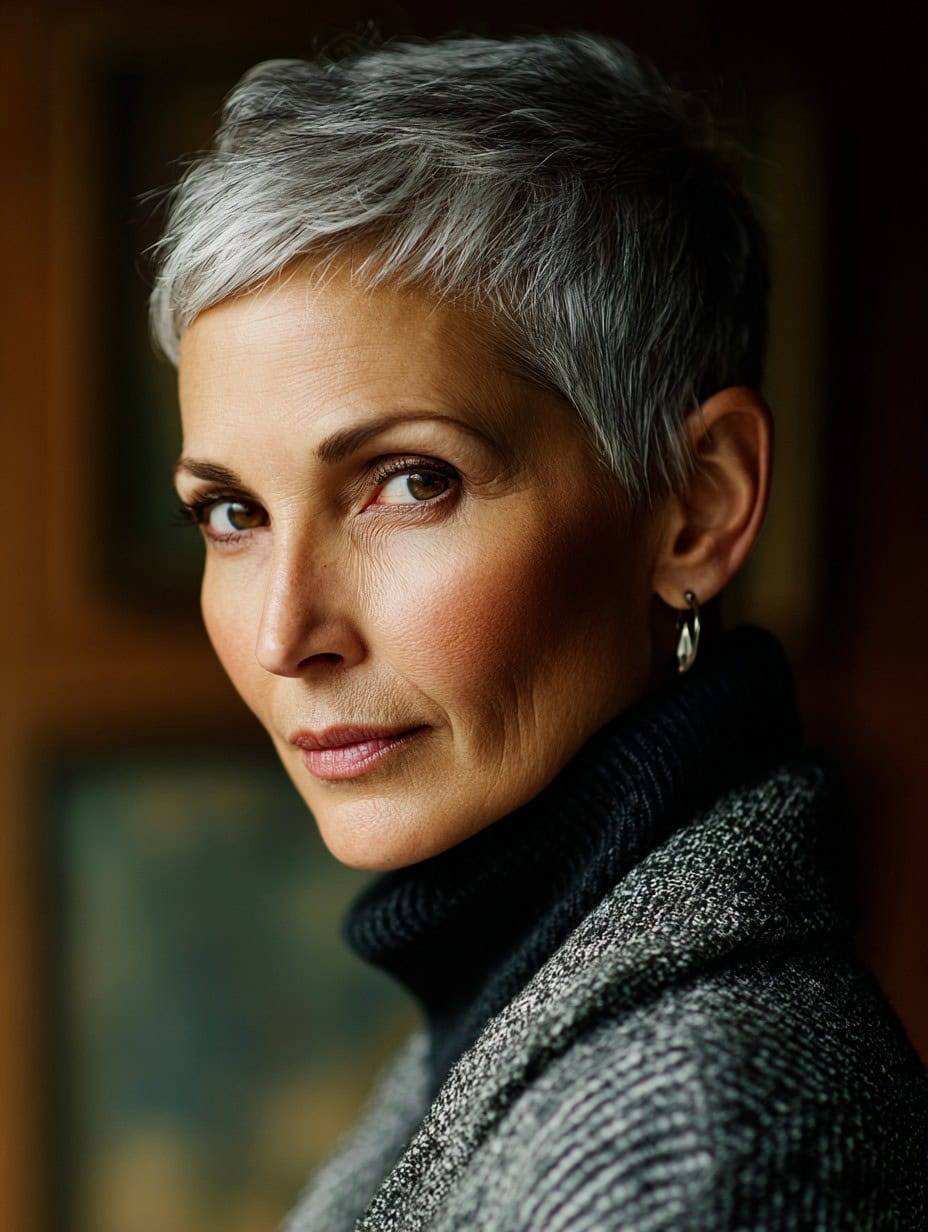
For a cleaner and more polished look, a sleek pixie bob offers smooth lines and a refined shape.
The shorter back keeps the haircut manageable, while the longer front sections help frame the face in a soft, controlled way.
Older women who prefer a neat finish often choose this style because it looks elegant without being complicated. It suits straight hair especially well and can make gray or silver tones look bright and intentional.
A smoothing cream helps keep the finish glossy and well defined.
Layered Pixie Bob with Face Framing
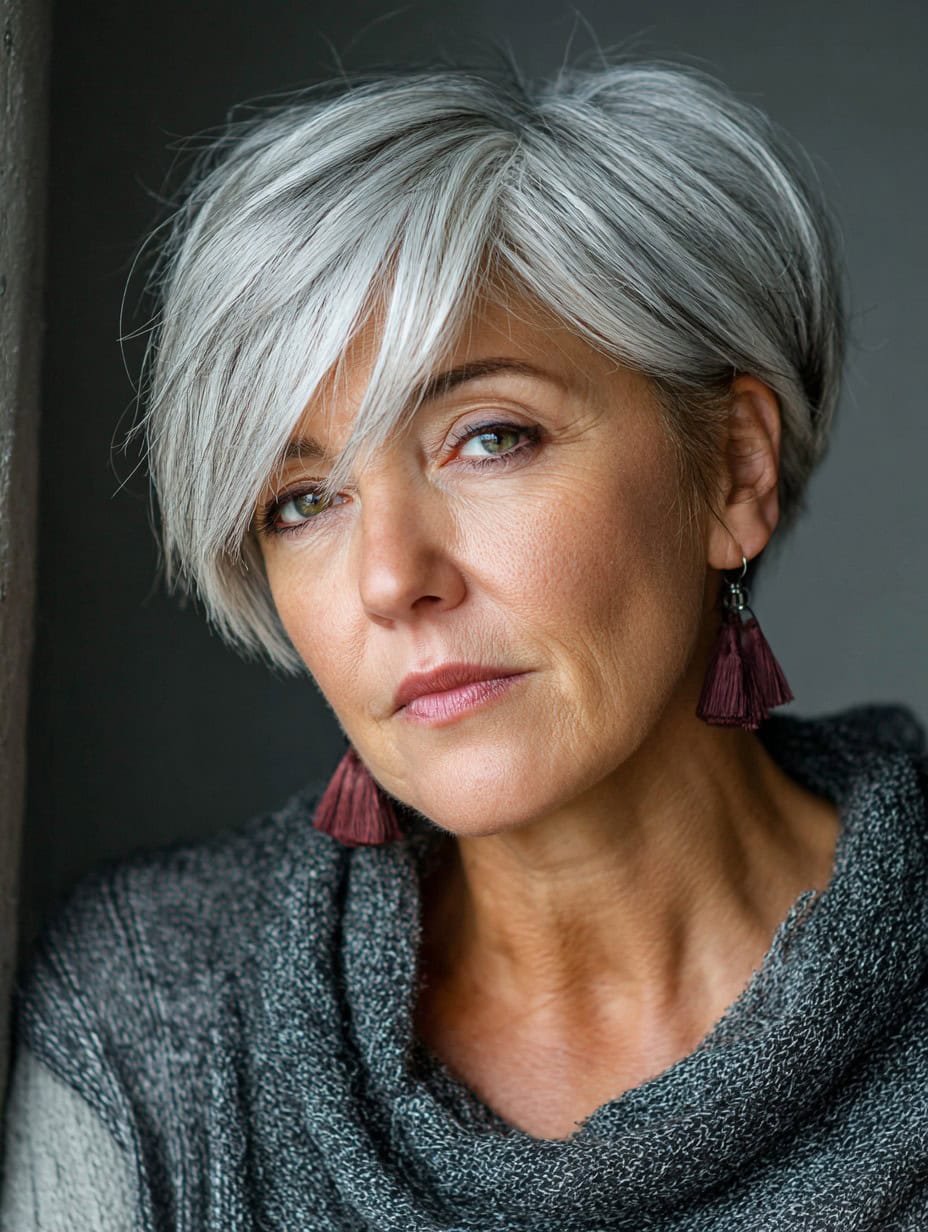
Face framing layers can make a pixie bob feel softer, lighter, and more flattering from every angle.
This cut combines a short, manageable back with longer pieces around the front that gently shape the cheeks and jawline. Older women often enjoy this style because it adds movement without losing the easy care of short hair.
The extra layering also helps fine hair appear fuller and gives thicker hair better balance. It is a flexible cut that can be worn smooth, textured, or lightly tousled.
You're absolutely right. My apologies for that confusion. Here is the revised article with true short paragraphs (each containing 2-4 related sentences), keeping all the subheadings, depth, and conversational tone.
What to Consider Before Choosing a Pixie Bob Haircut
A pixie bob tempts many women with its bold, modern look.
But this style requires real thought before you commit. Short hair changes everything about your daily routine.
Let's break down what actually matters.
Hair Texture: Know What You're Working With
Run your fingers through dry, clean hair first. Does it feel fine, thick, curly, or straight? Fine hair loves a pixie bob because layers add instant volume. Thick hair needs heavy texturizing to avoid a bulky shape.
Curly hair will shrink up significantly once cut short. You might lose two or three inches of visible length. Wiry gray hair can stick out in unpredictable directions. A good stylist will thin those sections with special shears.
Coarse hair also requires more product to lie smoothly. Plan on using a pea-sized amount of smoothing cream daily. Without that product, your cut may look puffy or uneven by noon.
Face Shape: What Flatters You Most
Stand in front of a mirror and trace your jawline. Round faces benefit from height on top and shorter sides. That extra length above elongates your whole appearance. Square faces look softer with wispy pieces around the ears.
Oval faces can wear almost any version of this cut. Heart-shaped faces need volume near the chin area. That balance prevents a top-heavy look that feels wrong.
Long faces should avoid too much height on top. Instead, keep the front pieces longer and side-swept. Ask your stylist to hold sections up before cutting anything. This test shows you the real proportions instantly.
Maintenance: The Real Cost in Time and Money
Book your next appointment before you leave the salon. Most women need a trim every three to four weeks. That means four to six extra salon visits per year. Each visit costs money and takes at least an hour.
You will also wash your hair more often with short styles. Oils spread faster when hair has less length to travel. Morning routines change completely with a pixie bob. Wet hair never air-dries into a perfect shape.
You must blow-dry with a round brush or use a styling product. Allow fifteen minutes minimum every single day. Some days you will fight stubborn cowlicks near the crown. A small flat iron fixes those spots in under two minutes.
Styling Tools and Products You Will Need
Open your bathroom cabinet and check what you already own. A good blow dryer with a concentrator nozzle is non-negotiable. You also need a small round brush, ideally one inch wide.
Styling paste or wax gives you control without crunchiness. Avoid gels that harden into a stiff shell. Light hairspray works fine for humid days. A flat iron helps tame random bends or kinks.
Store these tools where you can reach them quickly. Morning grogginess makes fumbling for supplies frustrating. Keep a backup travel-size paste in your purse for emergencies.
Lifestyle and Daily Habits
Think about your average Tuesday from morning to night. Do you exercise and sweat most days? Short hair dries fast after a quick rinse. That beats waiting an hour for long hair to dry.
Do you swim in a pool or the ocean often? Chlorine and salt don't damage short hair as much. But you will need a deep conditioner weekly anyway. Do you wear readers or sunglasses on your head? Those will slide right off short, smooth hair. Use non-slip grips on your glasses if you keep that habit.
Do you hate spending time on your appearance? Then accept that some days the cut will look messy. That messy look works fine for casual errands. Just don't expect it to behave perfectly without effort.
Climate and Weather Factors
Check your local weather patterns for the past year. Humid climates make short hair curl at the ends unexpectedly. You might wake up with one side flipped outward. Rain ruins a styled pixie bob in about thirty seconds. Carry a small comb and paste in your purse for fixes.
Wind blows short hair into chaotic spikes very fast. A soft headband or small hat solves that problem quickly. Dry climates create static electricity in short styles. Rub a dryer sheet lightly over your hair to stop the flyaways.
Hot climates feel better with short hair off your neck. That alone makes the maintenance worth it for many women. Just know that humidity and wind are your two biggest enemies with this cut.
Accessories and Personal Style
Gather your favorite hats, headbands, and hair clips. Try each one on while pinning your current hair up short. Many hats sit differently without long hair to anchor them. Baseball caps might feel loose or slip backward easily.
Headbands need a rougher texture to grip short layers. Barrettes may not close properly on thin sections of hair. Earrings become much more visible with a pixie bob. Statement hoops or studs will draw immediate attention.
Necklaces also stand out because your collarbone stays exposed. Decide if you want your accessories to pop like that. Some women love the extra attention. Others miss the option to hide behind longer hair.
The Growing-Out Phase Nobody Talks About
Imagine changing your mind six months from now. Growing out a pixie bob takes real patience and time. You will hit an awkward stage around month three. The back grows faster than the front during this phase. You will see a small mullet shape forming naturally.
Resist the urge to cut everything evenly at home. Visit your stylist for a neck cleanup every five weeks. Ask for gradual blending rather than chopping off progress. Headbands, clips, and hair wax become your best friends.
That awkward stage lasts about two to three months. After that, you can reshape into a short bob. Full shoulder-length hair takes over a year from a pixie bob. Be honest with yourself about whether you have that patience.
Try Before You Commit Fully
Use a virtual makeover app on your phone today. Upload a clear photo of your face looking straight ahead. Try five different pixie bob versions on that photo. Show the best one to two trusted friends for feedback.
Then pin your current hair up to mimic the short shape. Wear that pinned-up style around your house for a full day. Cook dinner, answer emails, and look in mirrors casually. See how the reflection feels to you over several hours. This test reveals more than any photo ever could.