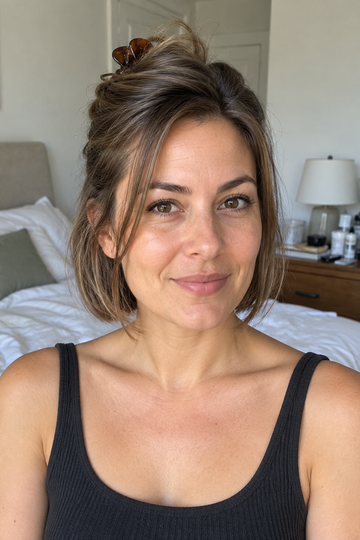
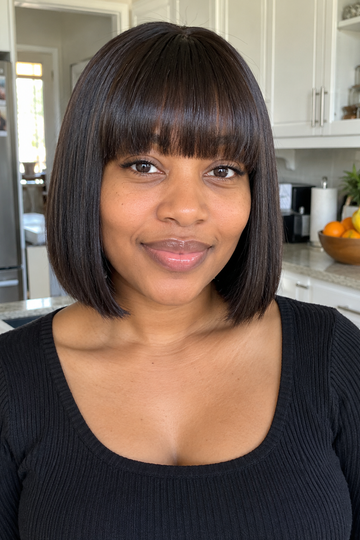
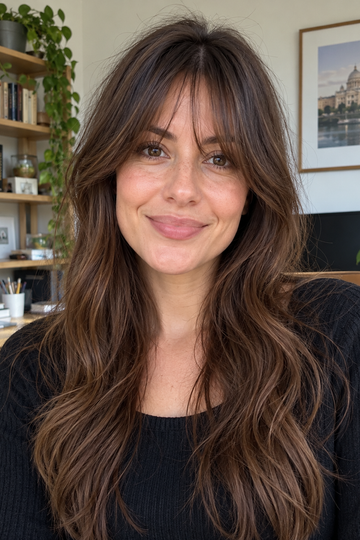
The most flattering "gray" hair, the kind that looks expensive in photos, almost never sits at one single tone. Natural gray grows in unevenly, with white strands mixed beside dark ones, plus shades of silver, dove, and pewter in between. Dyed gray that goes for one flat shade often comes across as helmet-like or matte. The looks below all carry some level of dimension, whether through balayage placement, root contrast, or natural blending of existing grays. That depth is what separates polished gray from costume gray.
Jump to:
- All-Over Silver on a Sleek Bob
- Salt-and-Pepper Natural Gray
- Charcoal Gray on Naturally Dark Hair
- Pearl Gray All-Over
- Gray Balayage on Dark Brown
- Silver Ombré From Dark Roots
- Gray Money Piece on Brunette
- Ash Gray Lowlights on Blonde
- Granny Silver Pixie
- Lavender-Toned Silver
- Embraced Natural Gray With Layers
- Silver Root Smudge to White Ends
- Dove Gray for a Softer Look
- Smoky Gray Long Bob
- Gray-and-Black Striped Contrast
- Steel Blue-Gray Tones
- Silver to Pink Ombré
- Silver on Curly Hair
- Mushroom Gray
- Pure White Platinum
- Dark Root Silver Pull-Through
- Gunmetal Slate Gray
- Gray With Lavender Peekaboo
- Sharp Silver Pixie on Mature Hair
- Gray Balayage on Natural Gray Hair
All-Over Silver on a Sleek Bob
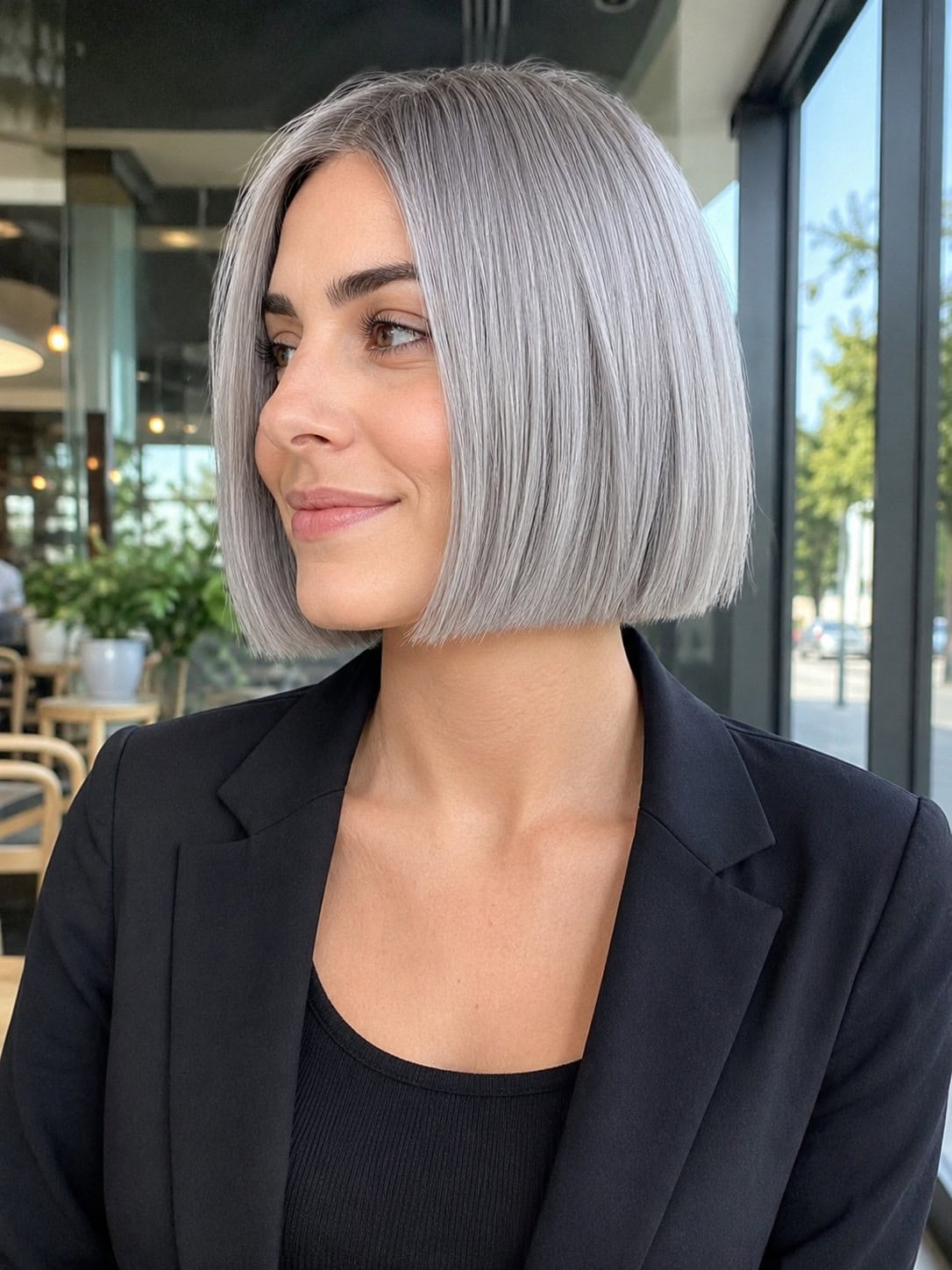
All-over silver dye on a sharp chin-length bob is the cleanest possible execution of the gray trend. The blunt cut shows the color without distraction, so every strand carries the silver evenly. Achieving true silver requires lifting hair to a near-white base first, which usually means several salon sessions for anyone starting from brown or black. A purple-toned conditioner used twice weekly keeps the color from drifting yellow.
Salt-and-Pepper Natural Gray
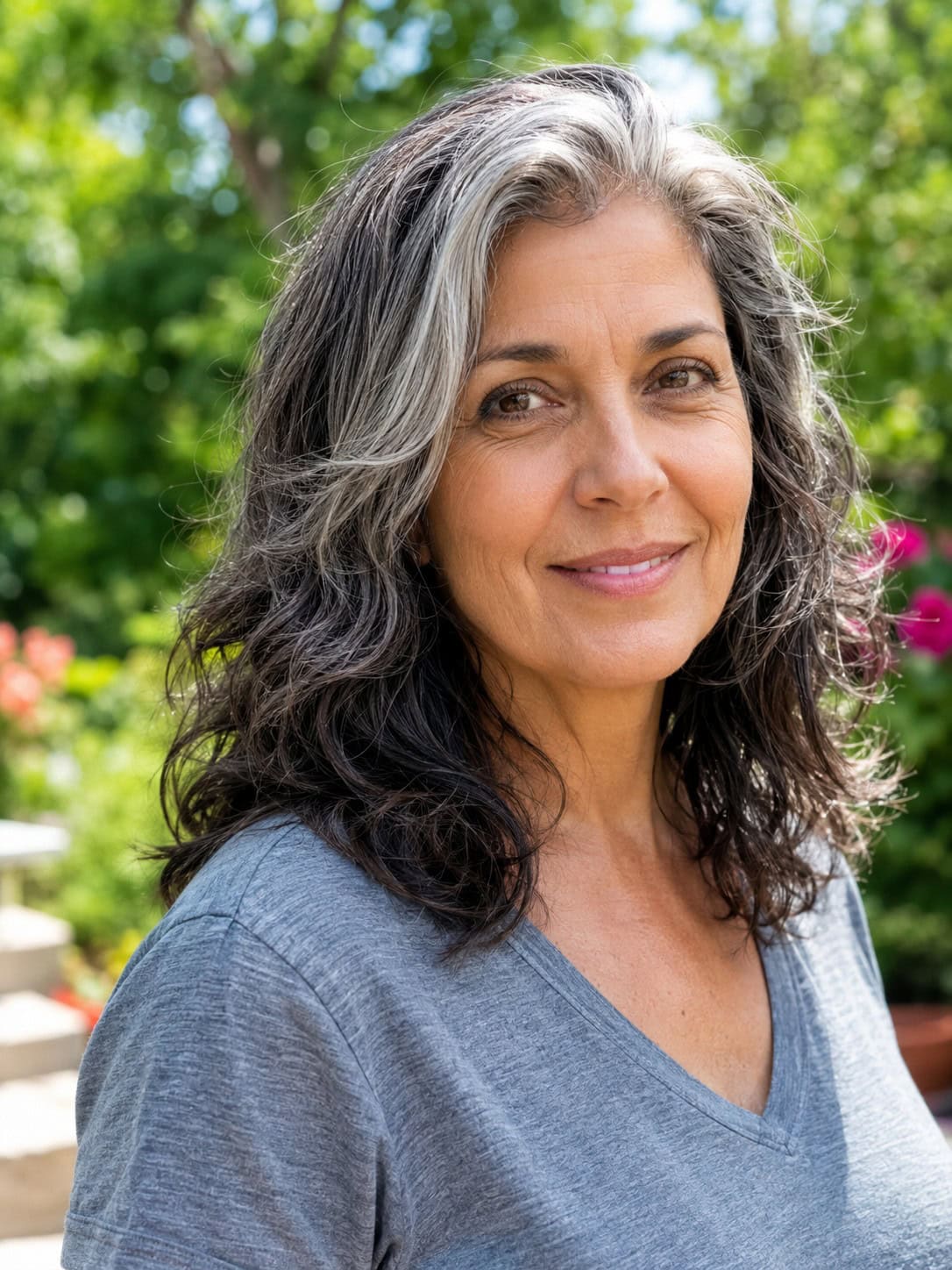
Salt-and-pepper hair celebrates the natural gray-and-dark mix without altering either. The contrast between silver strands and remaining pigmented hair creates dimension that no dye job can replicate. Length down past the shoulders shows the pattern best because longer hair carries more visual evidence of both colors. A clear glossing treatment every few months adds shine to the silver strands, which tend to feel coarser than pigmented ones.
Charcoal Gray on Naturally Dark Hair

Charcoal gray sits darker than silver but lighter than near-black, which makes it the easiest gray for anyone starting from dark hair. Only one or two lifting sessions are needed instead of the four-plus required for true silver. The deep slate tone pairs especially well with cool-toned skin. Charcoal also fades more gracefully than lighter grays since the base color stays dark enough to hide brassiness.
Pearl Gray All-Over
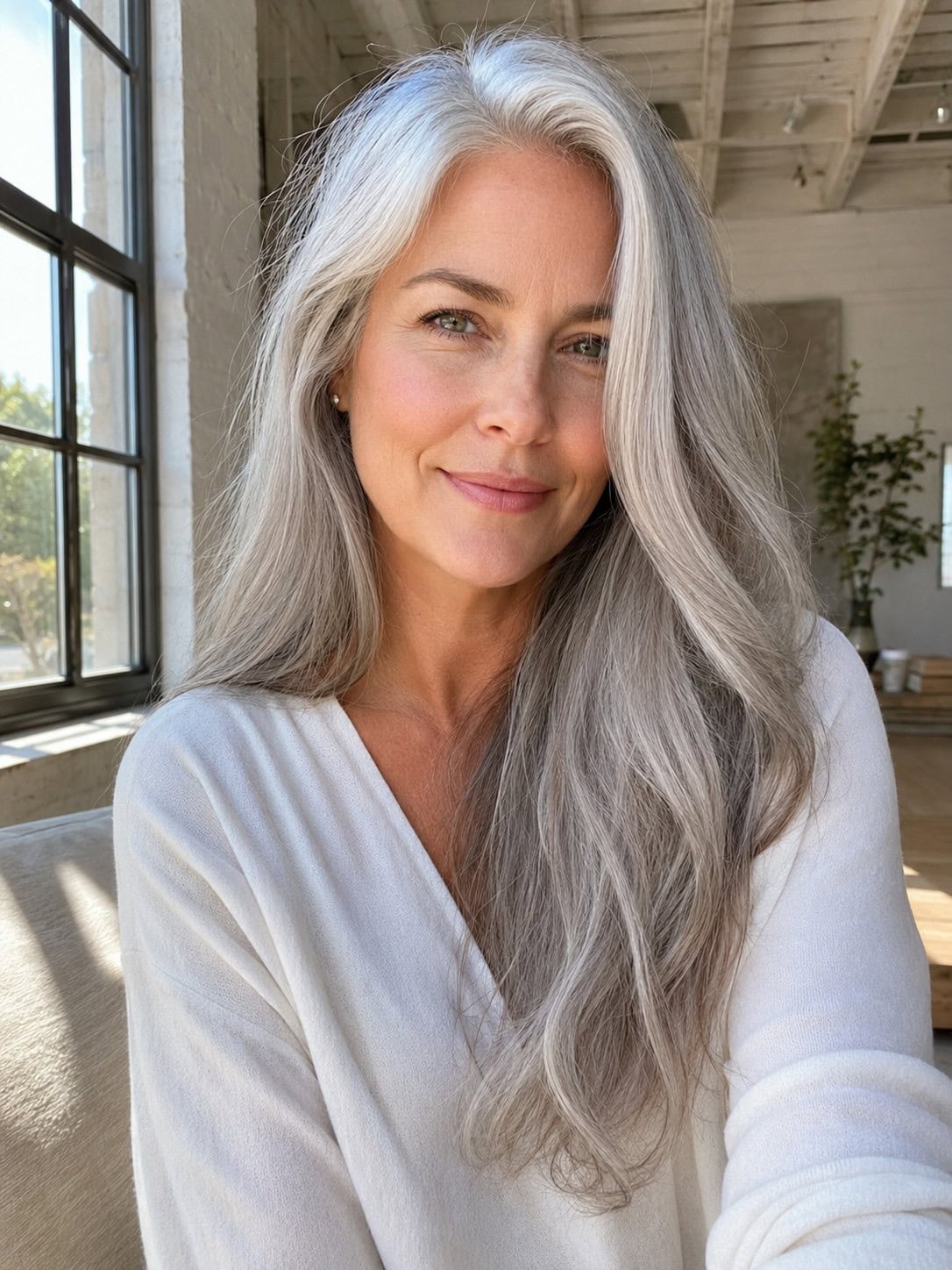
Pearl gray sits between true silver and warm white, with a soft luminous quality that catches light differently from cool grays. The shade flatters skin tones across the spectrum because its warmth keeps it from looking ashy or washed out. Achieving pearl requires both lifting and careful toning, since the toner balance determines whether the result leans cool, warm, or neutral. Stylists usually mix multiple toners to land the shade.
Gray Balayage on Dark Brown
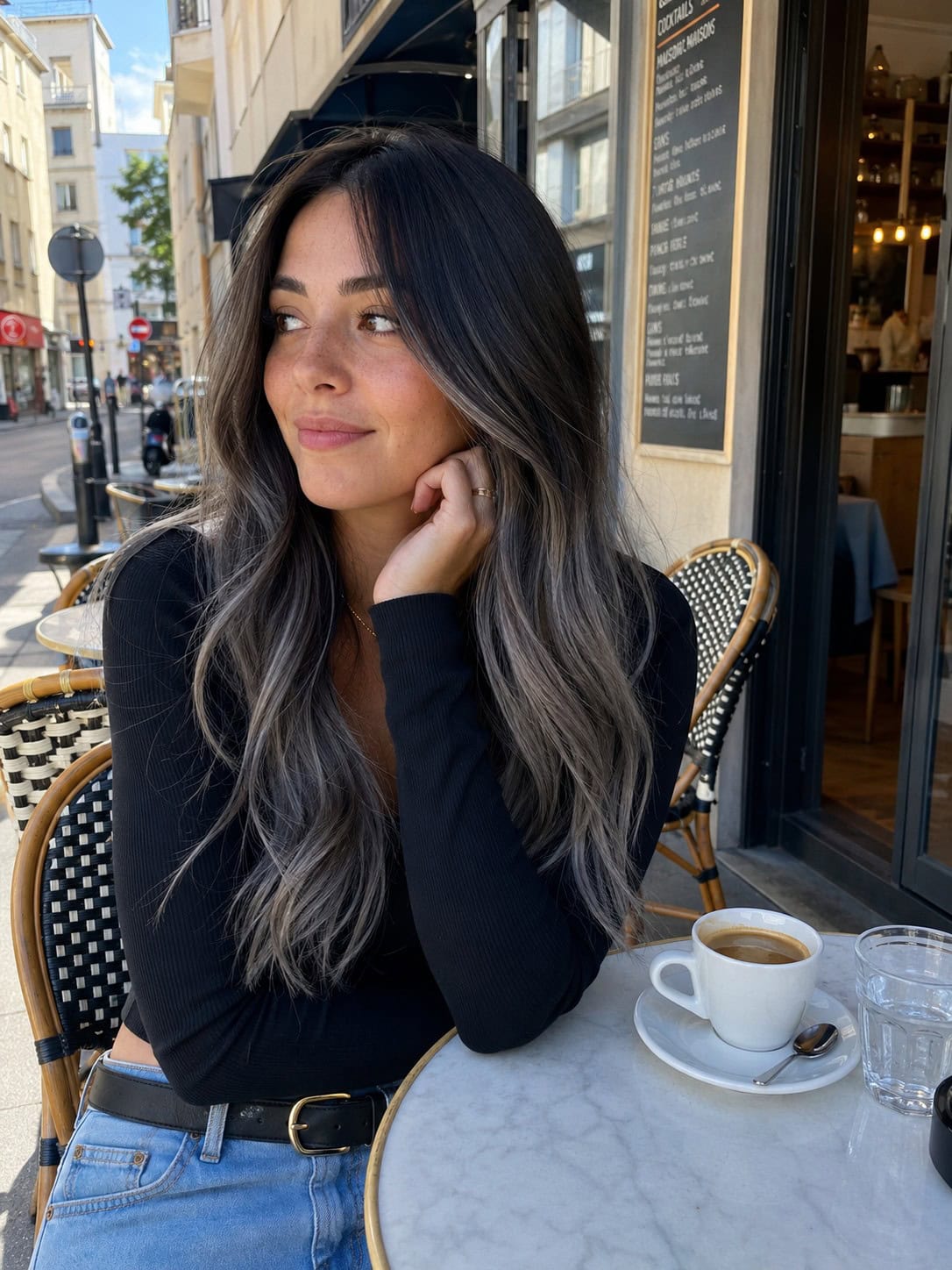
Gray balayage placed throughout dark brown hair gives you the trend without the full commitment. Hand-painted gray sections sit through the lengths and ends, keeping the roots their natural shade. Growout looks intentional rather than awkward since the dark roots blend into the painted gray gradually. The contrast between dark brown and silver carries dimension that solid-color gray cannot match, which is what makes balayage versions look more expensive.
Silver Ombré From Dark Roots
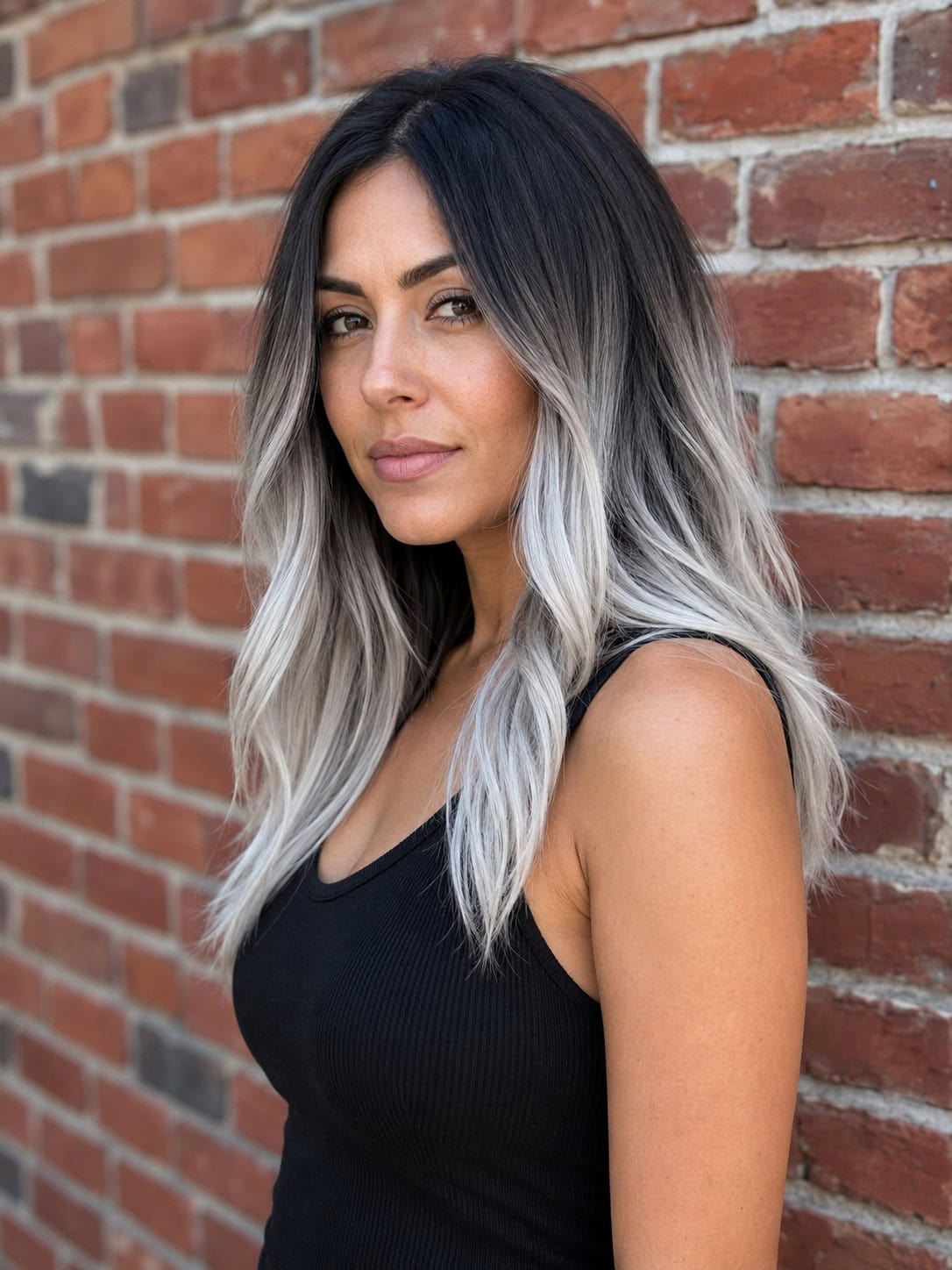
A dark root fading into silver through the lengths and ends keeps growout maintenance reasonable while delivering the silver look fully at the ends. The transition zone between dark and silver sits around the eye line, which frames the face dramatically. This ombré requires significant lift on the lengths, sometimes spread across multiple sessions. Once set, touch-ups are needed every eight to twelve weeks rather than the four to six required for all-over silver.
Gray Money Piece on Brunette
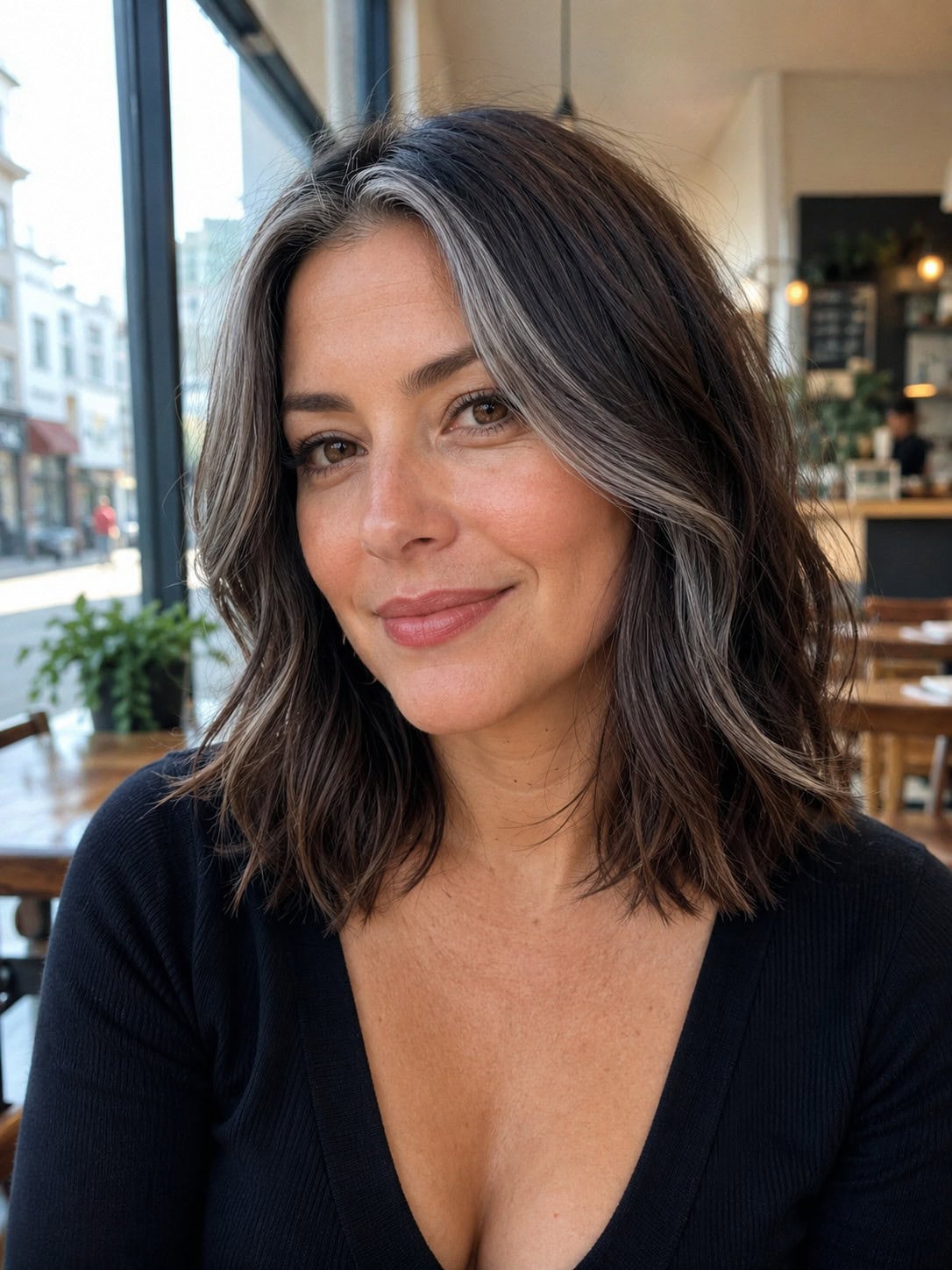
Two gray face-framing pieces against an otherwise brunette base concentrate the silver where it has maximum impact. Stylists call this technique a money piece, and the strategic placement at the front of the hair pulls focus straight to the face. The rest of the brunette hair stays its natural shade, so most of your strand health stays intact. Touch-ups concentrate on just those two front pieces every six weeks.
Ash Gray Lowlights on Blonde
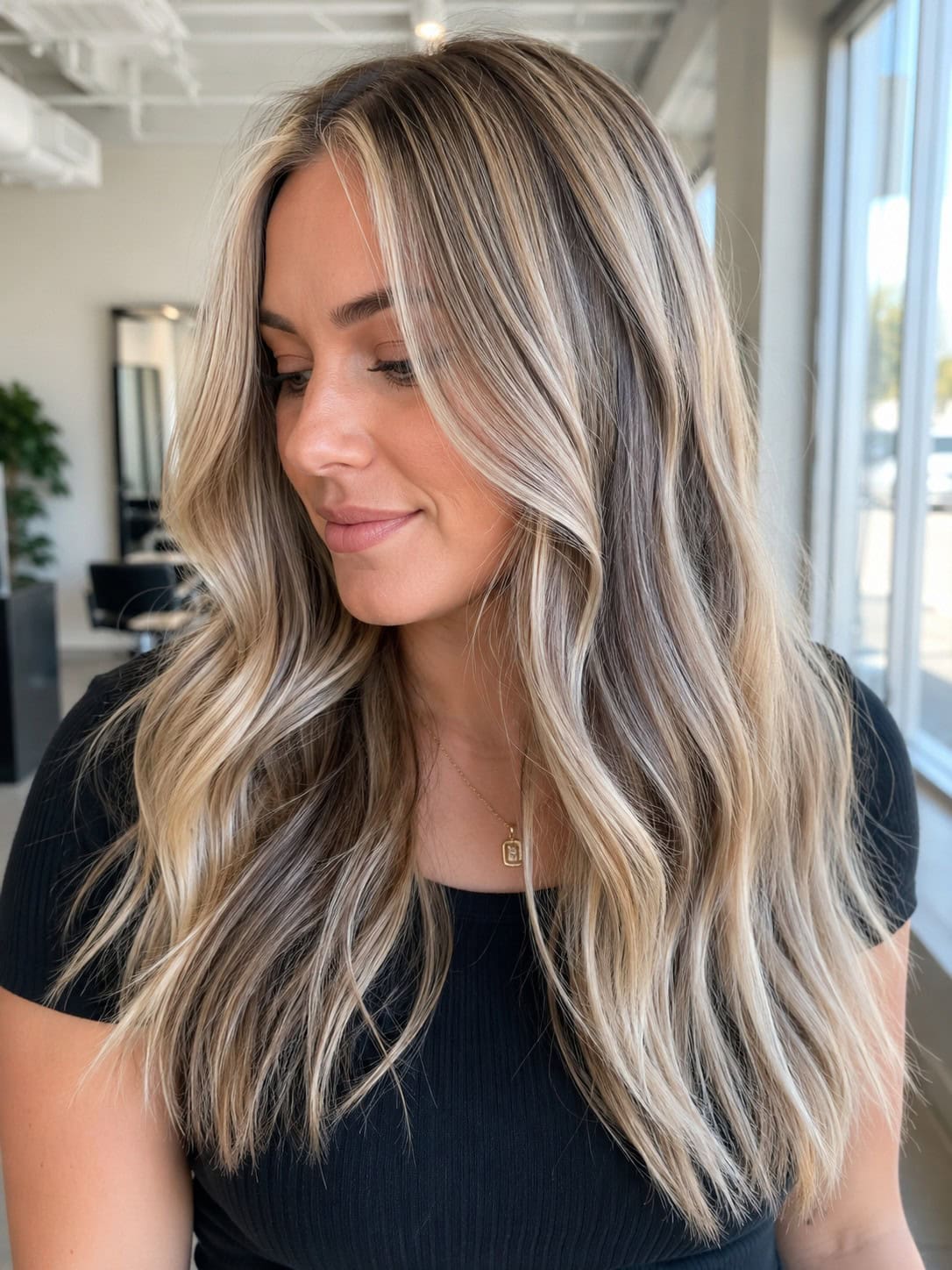
Ash gray lowlights woven through blonde hair cool down warm undertones and add subtle depth. Lowlights sit darker than the base, so the gray pieces appear deeper than the surrounding blonde rather than lighter, which is the opposite dynamic from highlights. The technique suits anyone whose blonde has started looking too warm or brassy over time. Toner refreshes between full lowlight sessions extend the effect for several months at a stretch.
Granny Silver Pixie
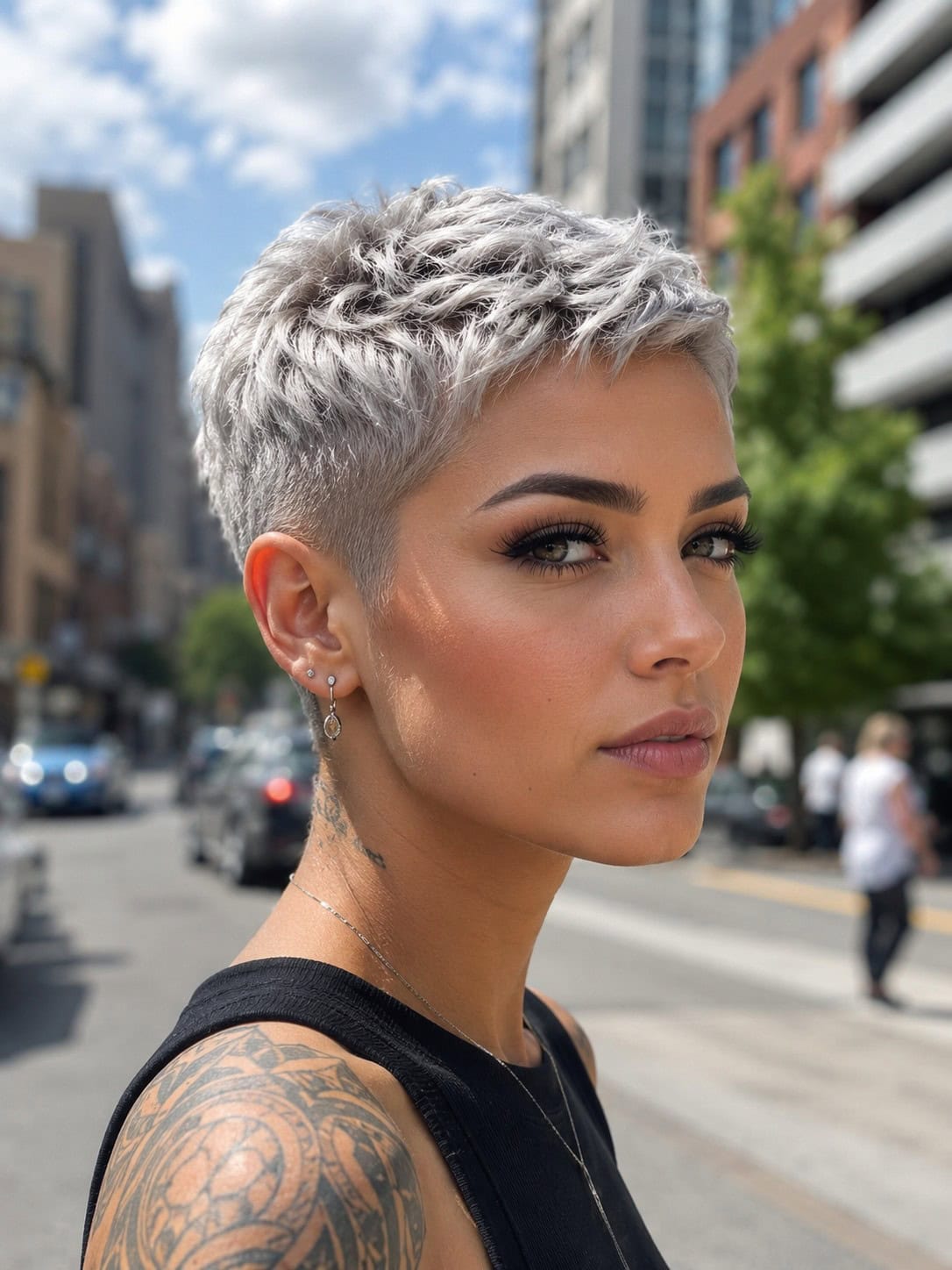
A short granny silver pixie cut combines two strong style choices into one statement. The shape stays cropped close on the sides with a slightly longer top for movement, while the silver color lands icy and modern. Lifting and toning a pixie costs less than longer hair simply because there is less strand surface to process. Maintenance haircuts happen every four to six weeks regardless of color.
Lavender-Toned Silver
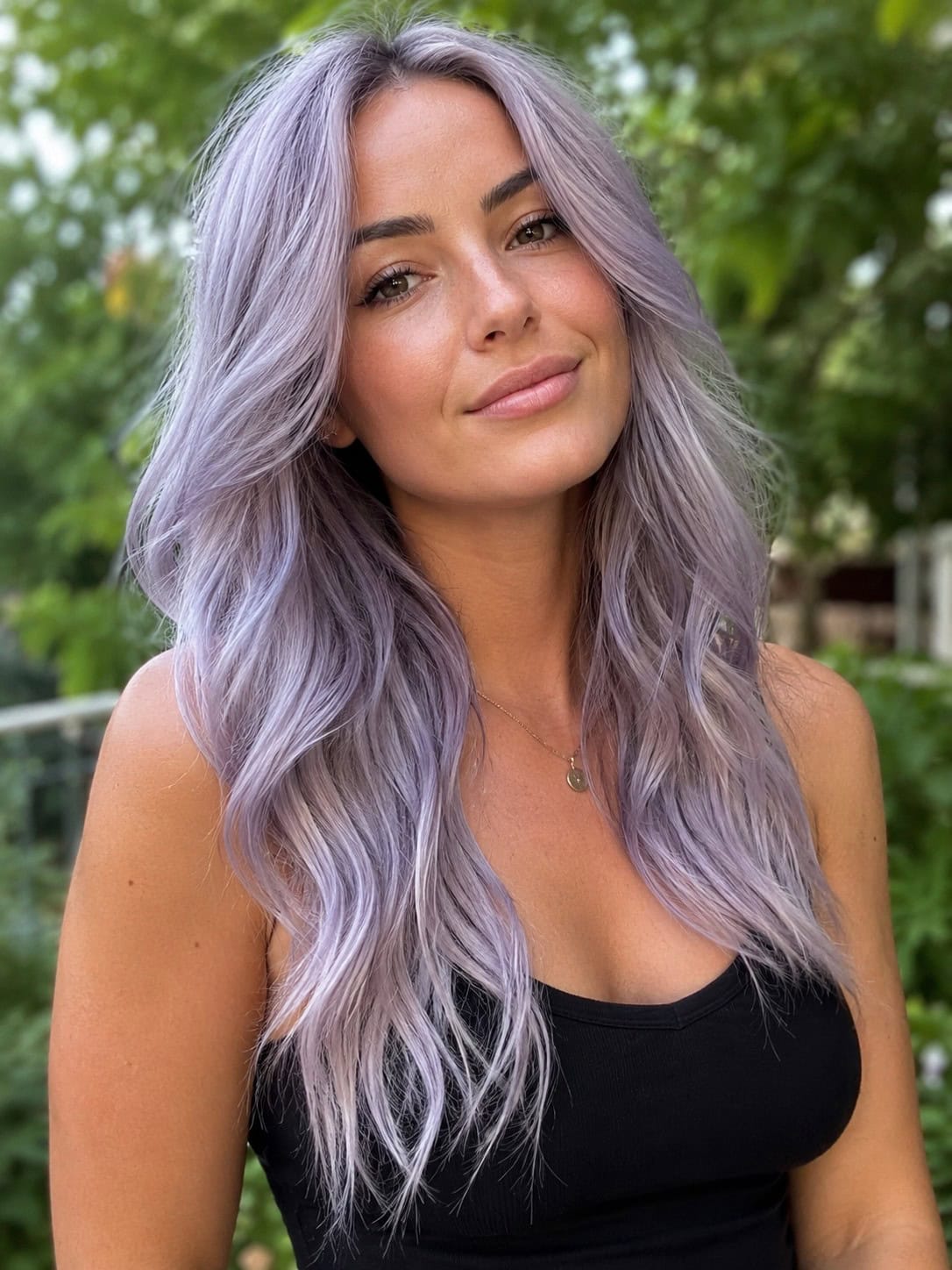
Lavender-toned silver pulls a subtle purple cast into otherwise cool gray hair. The shade lands somewhere between true silver and pastel lavender, soft enough to wear daily but distinct enough to feel intentional. Toning controls the lavender intensity, so the shade can be dialed up or down at each salon visit. Purple shampoo with a slightly stronger pigment, used weekly, keeps the lavender alive between visits.
Embraced Natural Gray With Layers
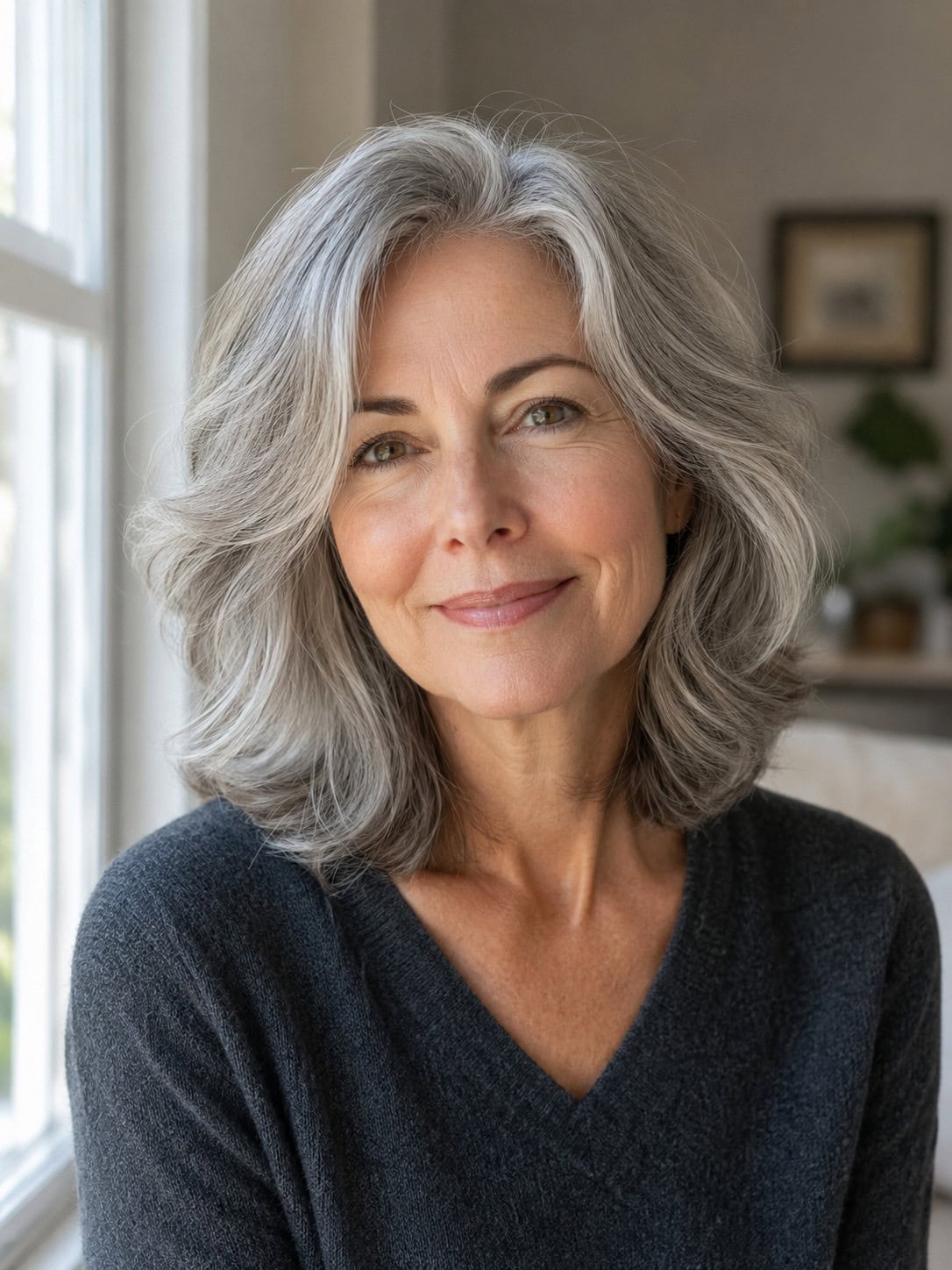
Embracing the natural gray that has come in, paired with shoulder-grazing layers, creates one of the most current looks of the moment. Soft layered ends move with the natural texture of mature hair, which tends to be slightly coarser than younger hair. A clear gloss treatment every two months brightens the gray without changing its color. Regular trims keep the layers fresh and prevent the silver from looking dry at the ends.
Silver Root Smudge to White Ends
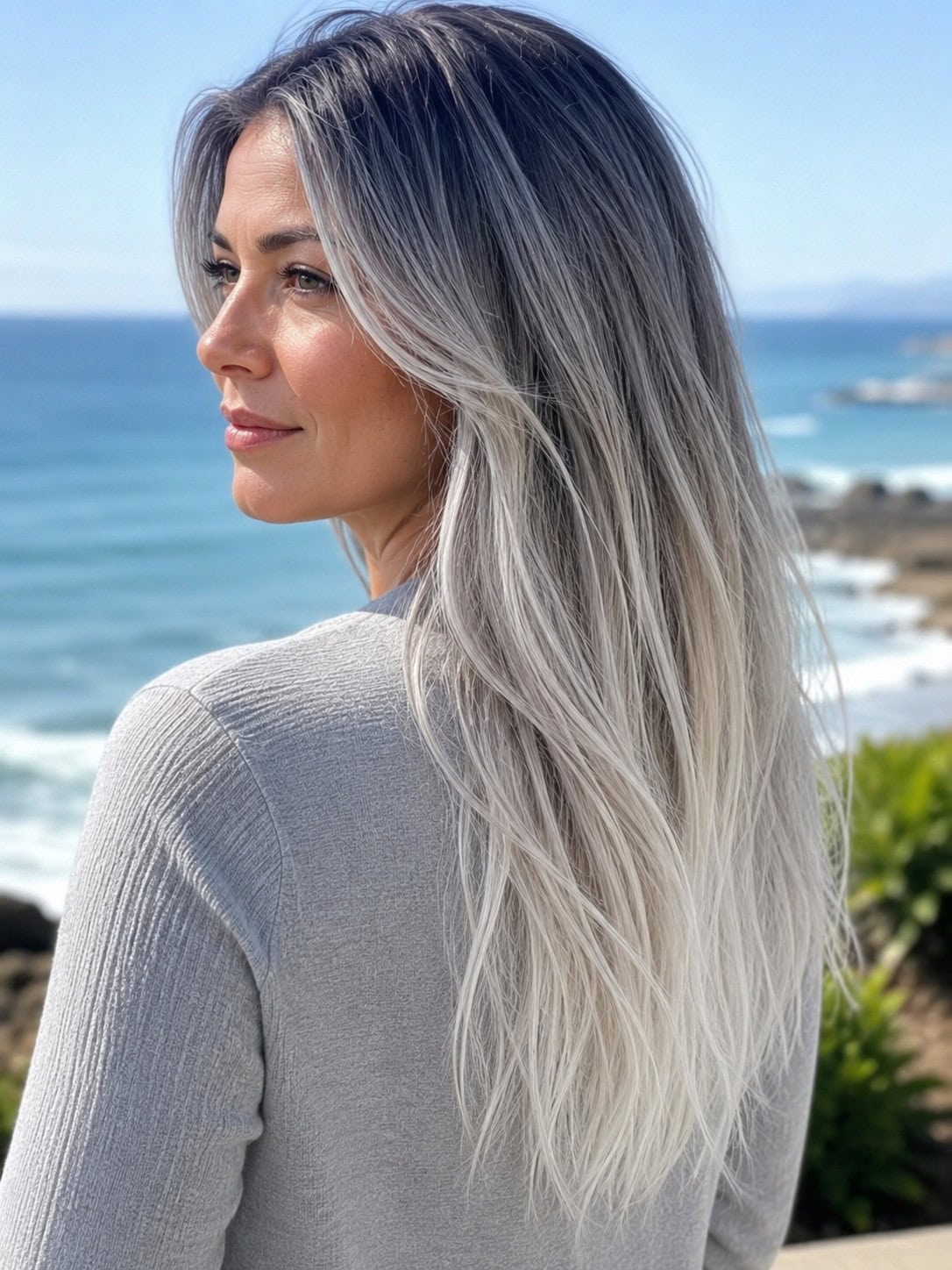
A silver root smudge fading into white through the lengths creates a gradient entirely within the gray family. The roots stay slightly darker silver while the ends brighten to almost-white, which mimics how natural gray grows in over years. This version requires careful lifting on the lengths and softer toning at the roots, but rewards the effort with dimension. Maintenance is gentler than all-over white since the roots can grow out subtly.
Dove Gray for a Softer Look
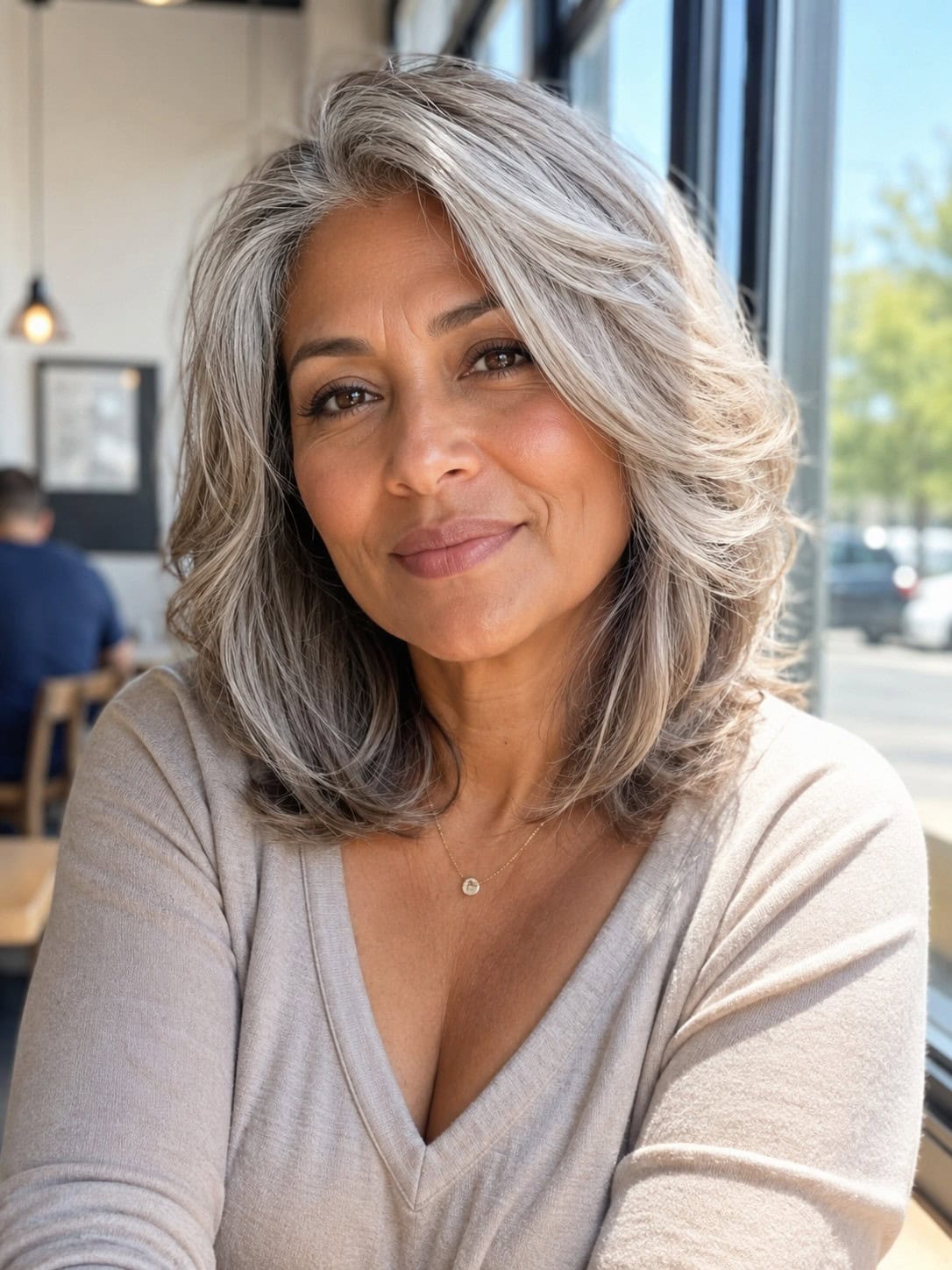
Dove gray leans warmer than ash or silver, with a soft pearly quality that suits warm skin tones better than cool grays. The shade sits among the most flattering options for anyone whose natural gray has come in with warm undertones. Stylists use brown-toned glosses rather than purple ones to lock in the dove warmth, which is the opposite of what cool silver requires. Maintenance toning happens about every six weeks.
Smoky Gray Long Bob
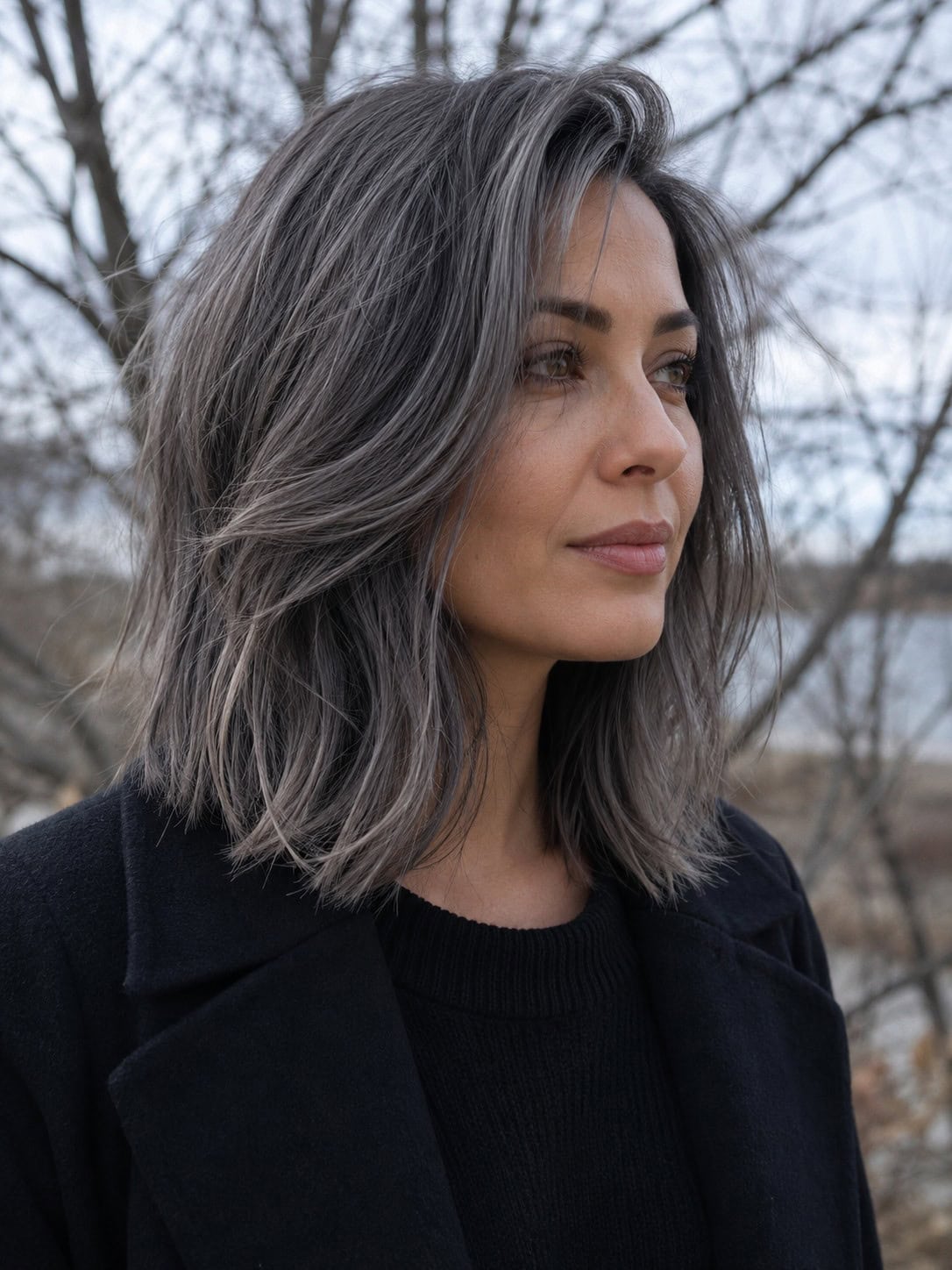
A long bob, often called a lob, dyed in smoky gray creates a moody, sophisticated finish. Smoky gray sits between charcoal and true silver, with a slightly soft, hazy quality. The collarbone-grazing length keeps the cut versatile for both casual and dressed-up wear. Smoky tones forgive slight regrowth at the roots more than crisp silver does, which makes the in-between weeks before touch-ups less obvious.
Gray-and-Black Striped Contrast
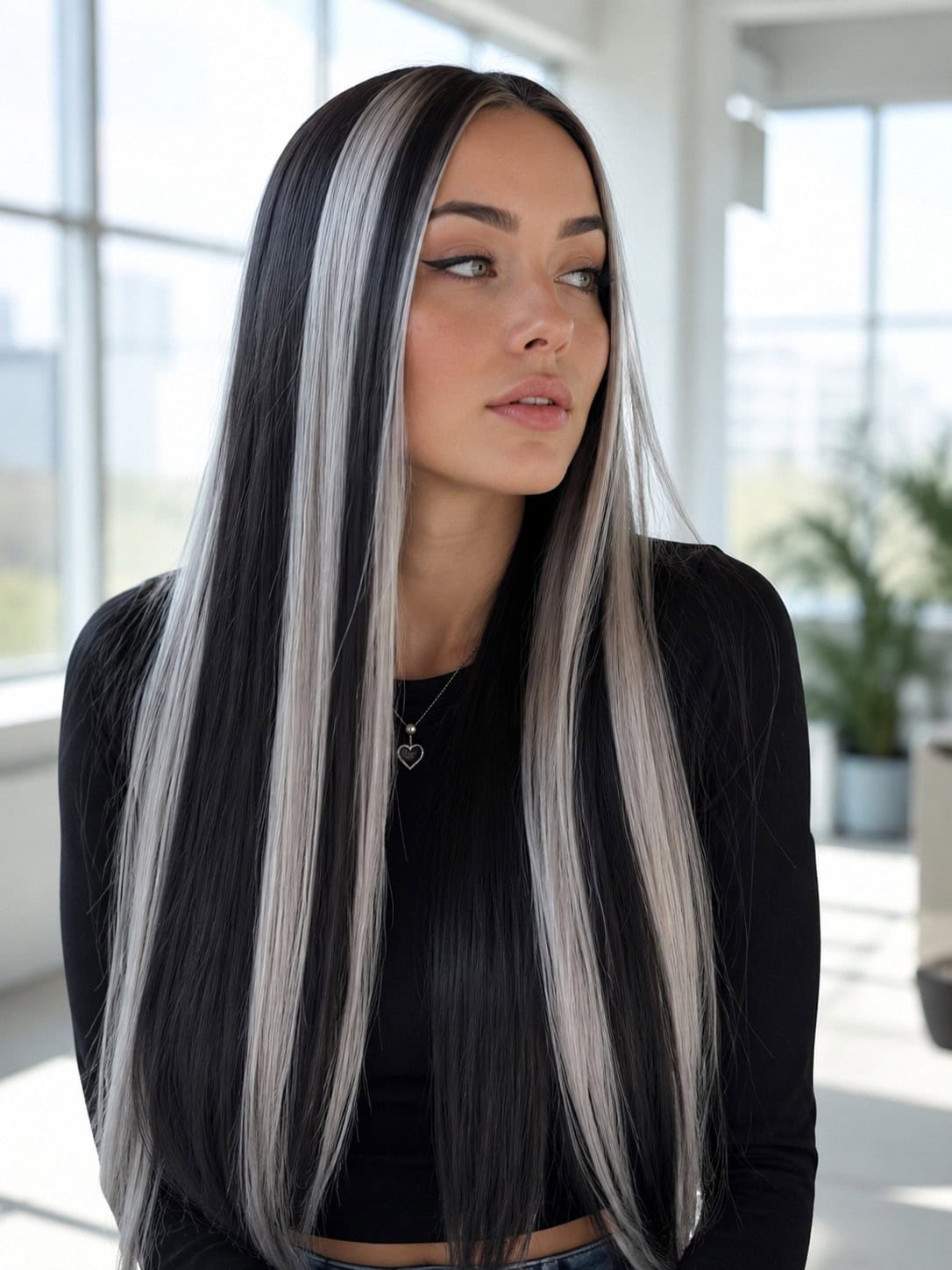
Gray-and-black striped contrast plays the lightest silver against the darkest base for maximum drama. The stylist alternates wide sections of true silver with sections kept jet black, creating clear ribbon-like striping. This version commits to bold visual interest and works best on straight hair where the stripes show distinctly. Curly or wavy textures blur the lines between stripes, which can soften the effect into something less graphic.
Steel Blue-Gray Tones
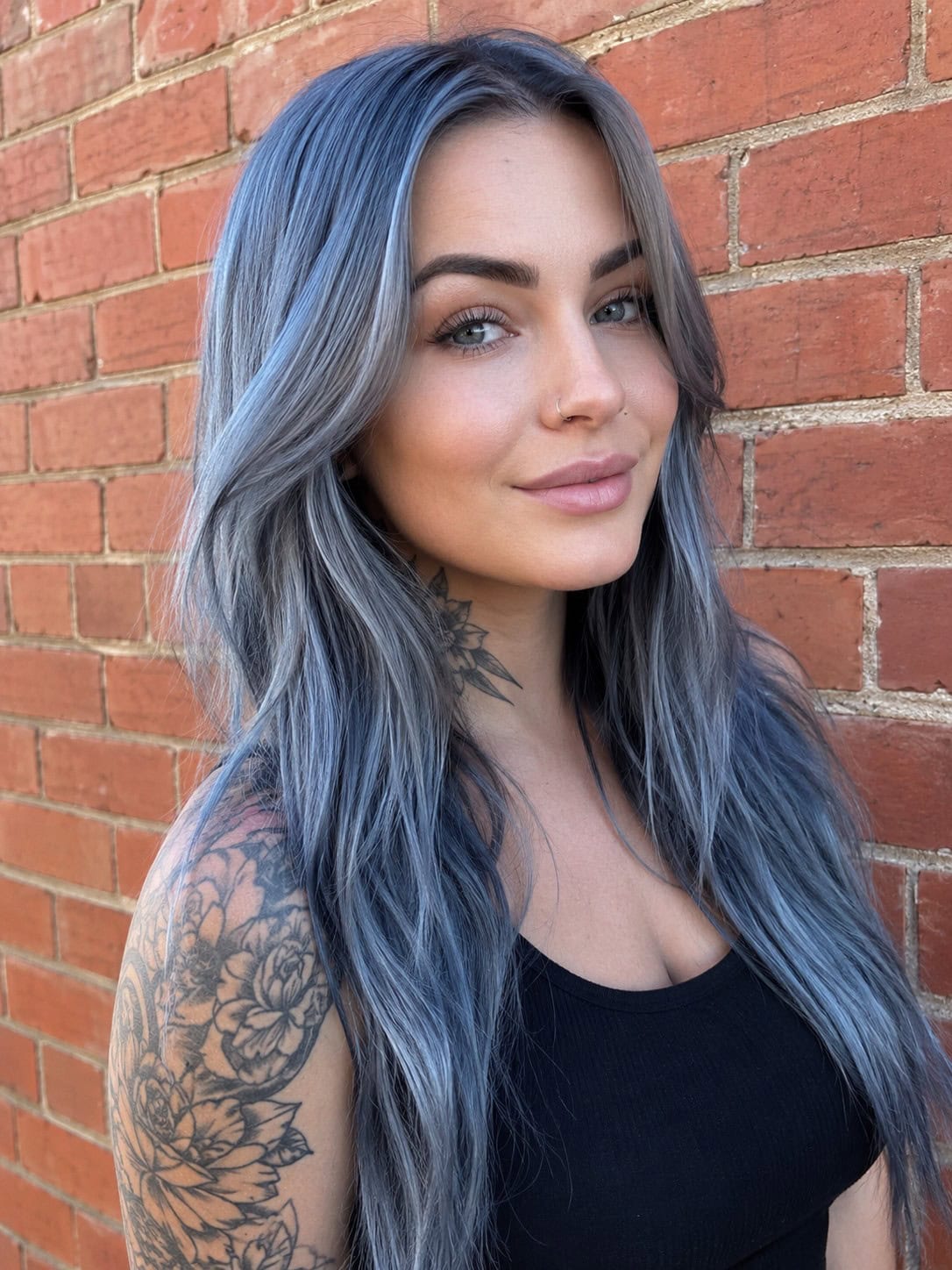
Steel blue-gray pulls a slight blue undertone into the silver, creating a metallic effect that comes across distinctly cool. The shade suits cool-toned complexions best since the blue undertone harmonizes with cool skin. Toning the blue requires precision because too much pulls the hair into actual blue territory rather than holding at steel. Color-depositing conditioners formulated for blue tones simplify the upkeep between salon visits.
Silver to Pink Ombré
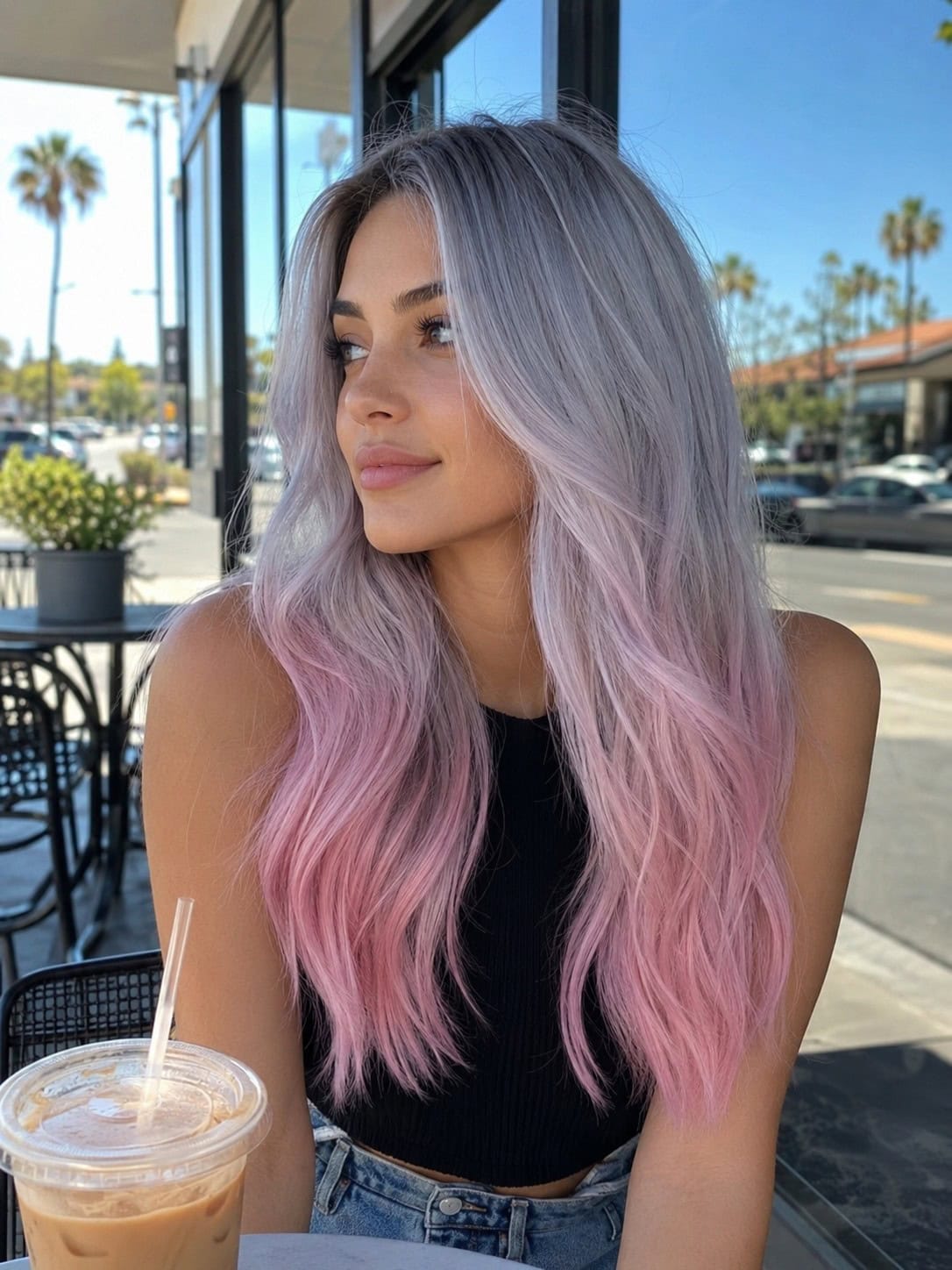
Silver fading into soft pink at the ends creates an ombré that lives across two color families. The silver roots stay cool while the pink ends warm slightly, creating intentional contrast. Both shades require lifting to a near-white base, so the technical work is similar to all-over silver. Pink fades faster than silver, so the ends may need refreshing more often than the roots. Plan for shorter intervals between salon visits.
Silver on Curly Hair
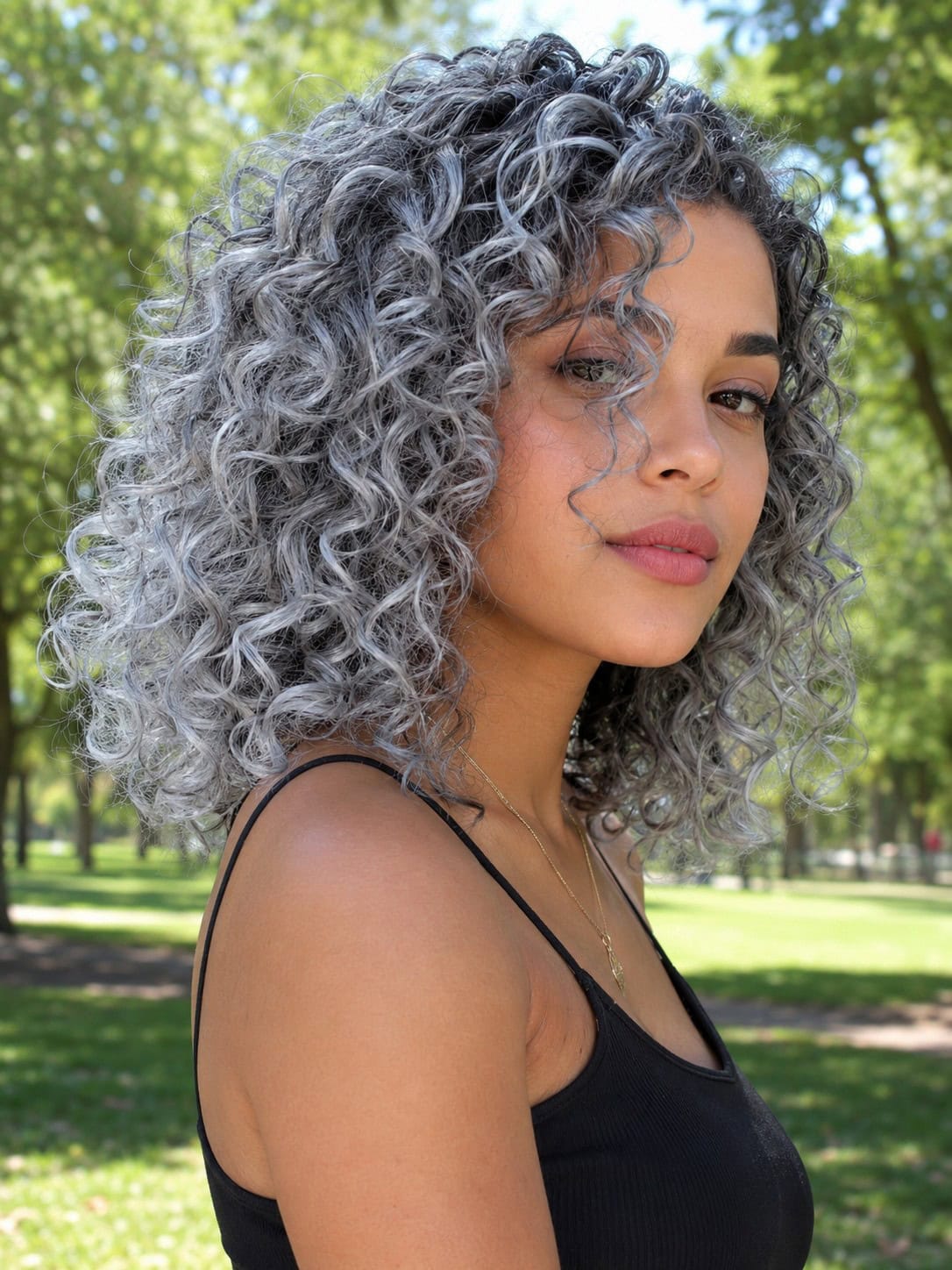
Silver dye on naturally curly hair behaves differently than on straight hair because curls catch light along their curves. The silver flashes from multiple angles as the curls move, which makes the color appear brighter and more dynamic than the same shade on straight strands. Curly hair also dehydrates faster after lifting, so leave-in conditioners and deep treatments become non-negotiable parts of the routine post-color.
Mushroom Gray
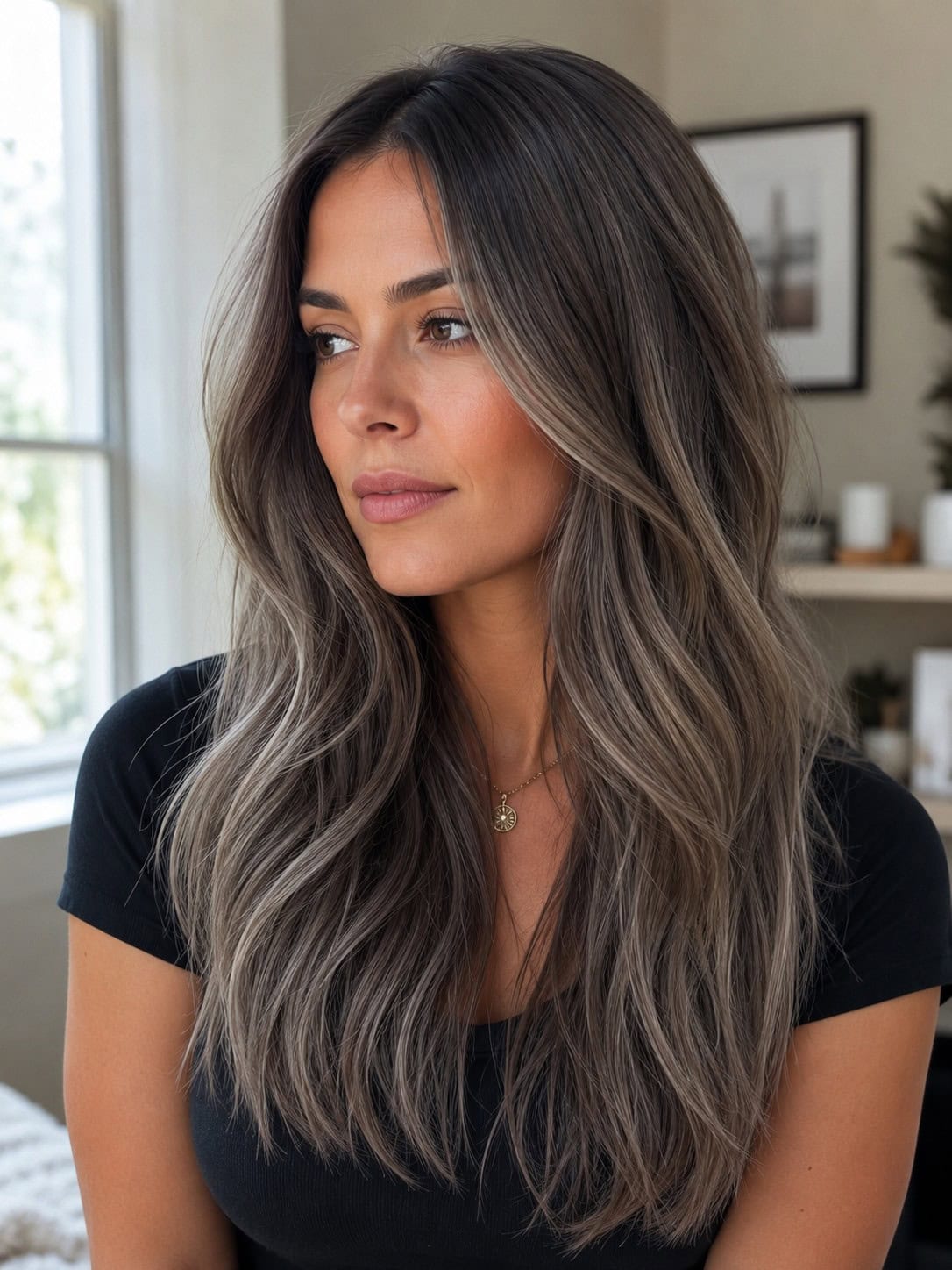
Mushroom gray combines cool gray with warm brown undertones to create a soft, natural-looking shade. The warmth keeps the gray from looking stark or ashy, while the cool foundation prevents the warmth from pulling brassy. This shade flatters more skin tones than pure cool silver because the brown undertone bridges the cool-warm divide. Stylists describe it as the easiest gray to wear because of how forgiving the undertone balance is.
Pure White Platinum
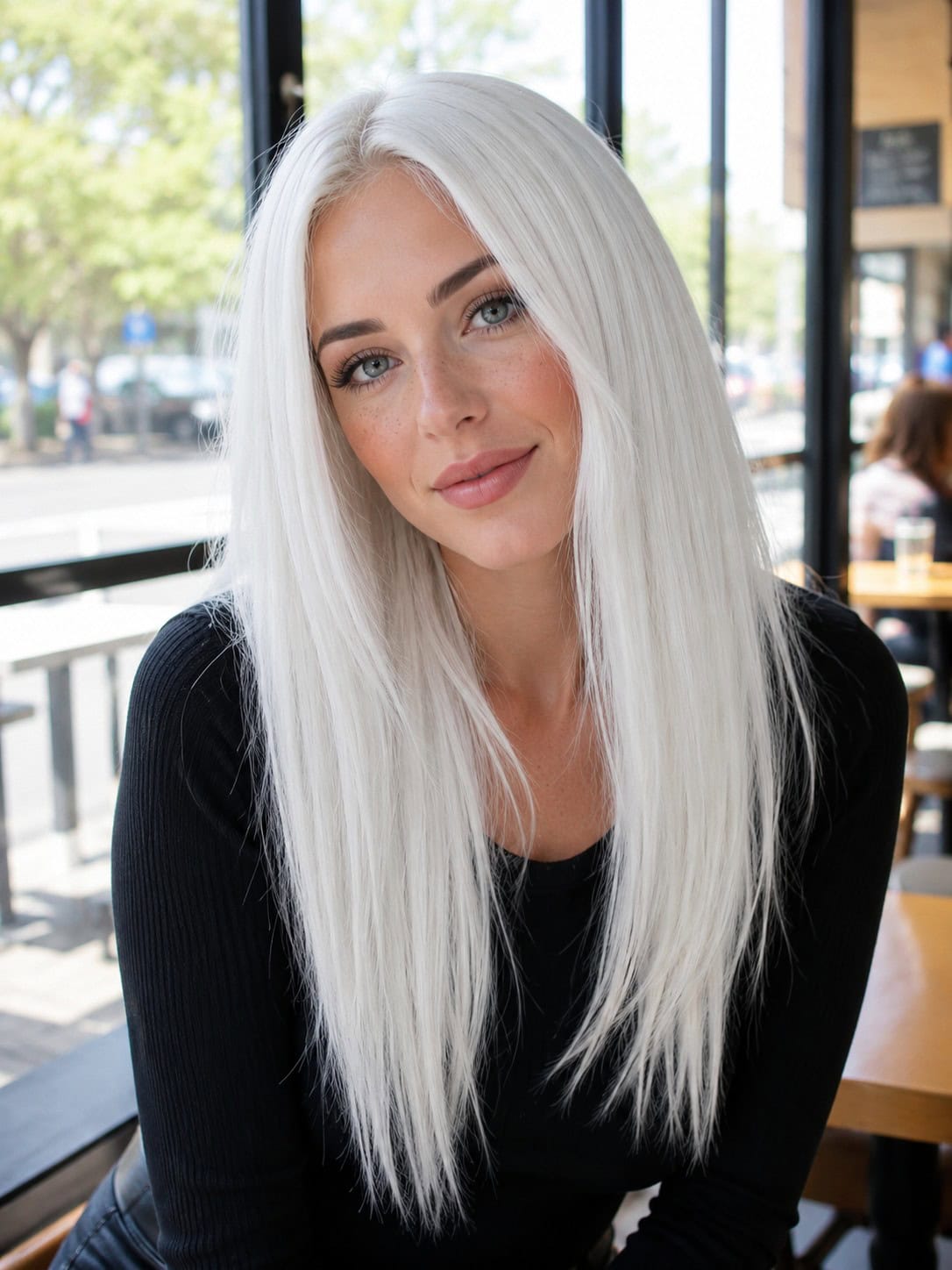
Pure white platinum sits at the lightest possible end of the gray spectrum, with no visible warm or cool undertones at all. Reaching true white requires the most aggressive lifting of any color, often four or more bleach sessions for anyone starting darker than blonde. The investment in lift produces a result that looks otherworldly under bright light. Weekly purple shampoo prevents any drift toward yellow.
Dark Root Silver Pull-Through
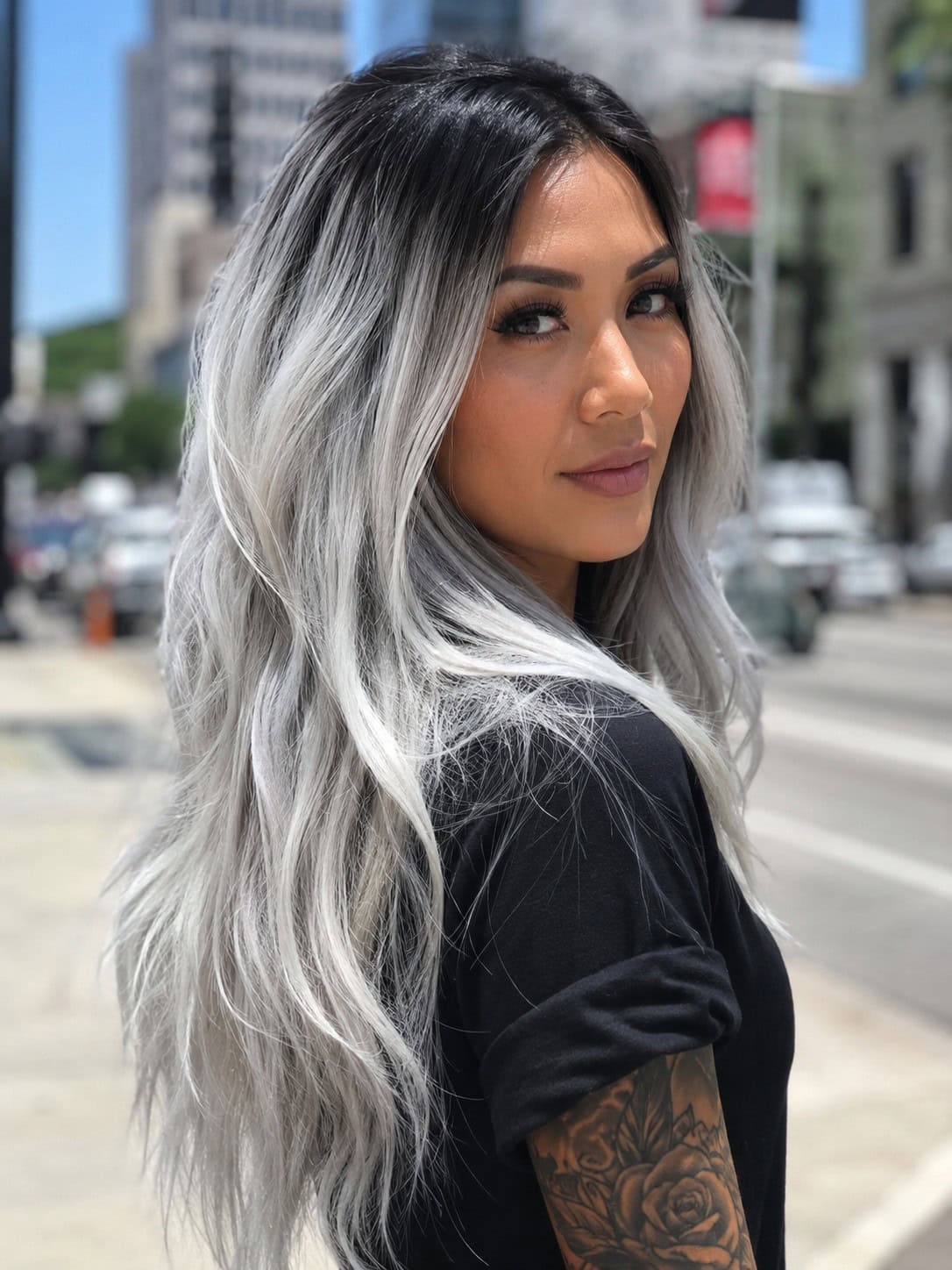
Intentionally dark roots pulling through to silver lengths give the look of fresh growth at the scalp without the awkwardness of unintended regrowth. The contrast between deep root and bright silver creates depth that flat silver cannot achieve. Touch-up frequency drops dramatically since the dark root is part of the design rather than something to hide. This version suits anyone who wants silver hair without committing to monthly salon visits.
Gunmetal Slate Gray
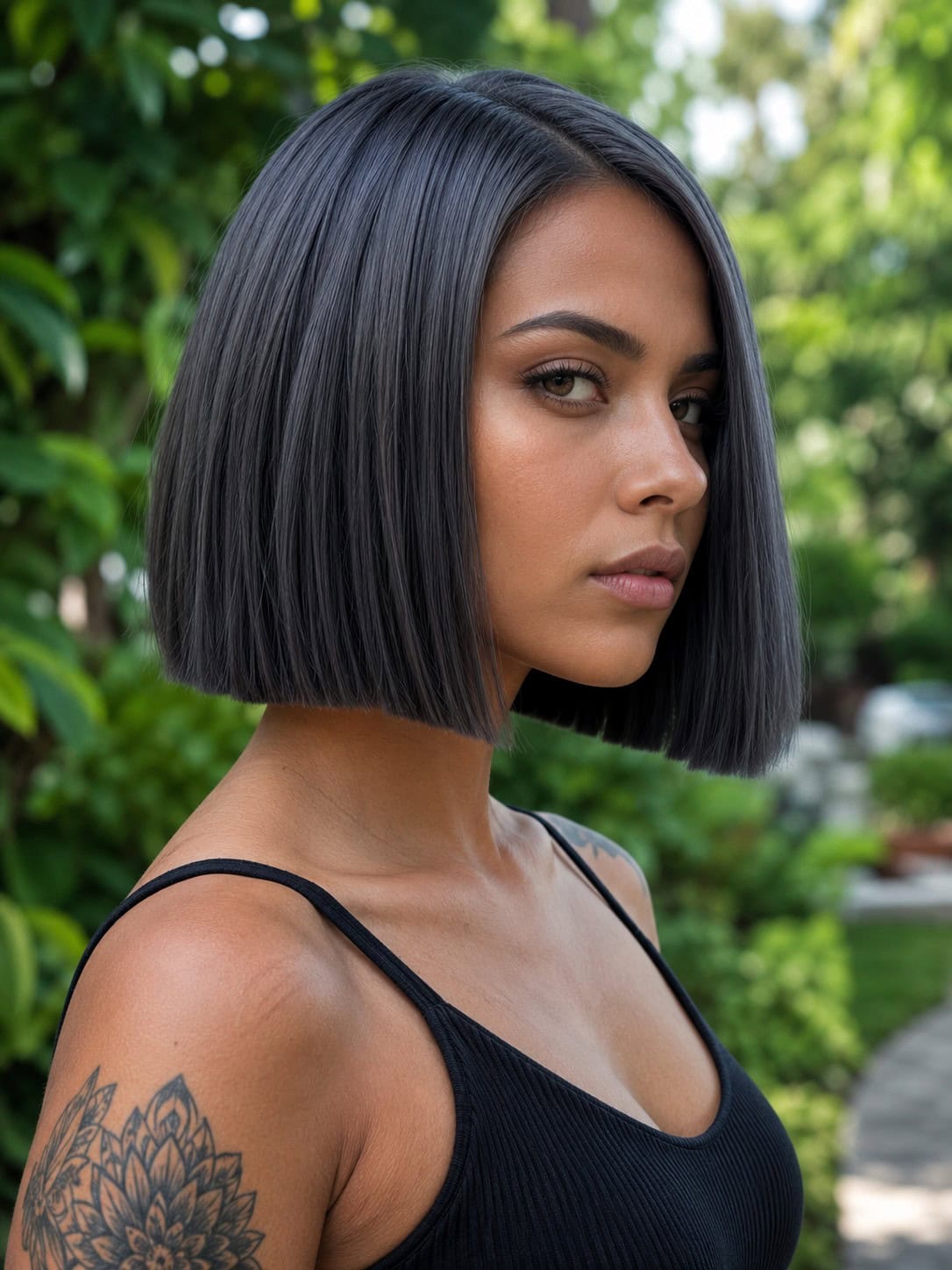
Gunmetal slate gray dives deeper than charcoal. The dark metallic quality comes across almost weaponized in its precision. The shade requires only moderate lift to achieve since it sits darker on the gray spectrum. Gunmetal pairs especially well with sharp cuts like blunt bobs or geometric pixies because the color and the cut both lean into bold definition. Fading happens slowly since the base color stays dark.
Gray With Lavender Peekaboo
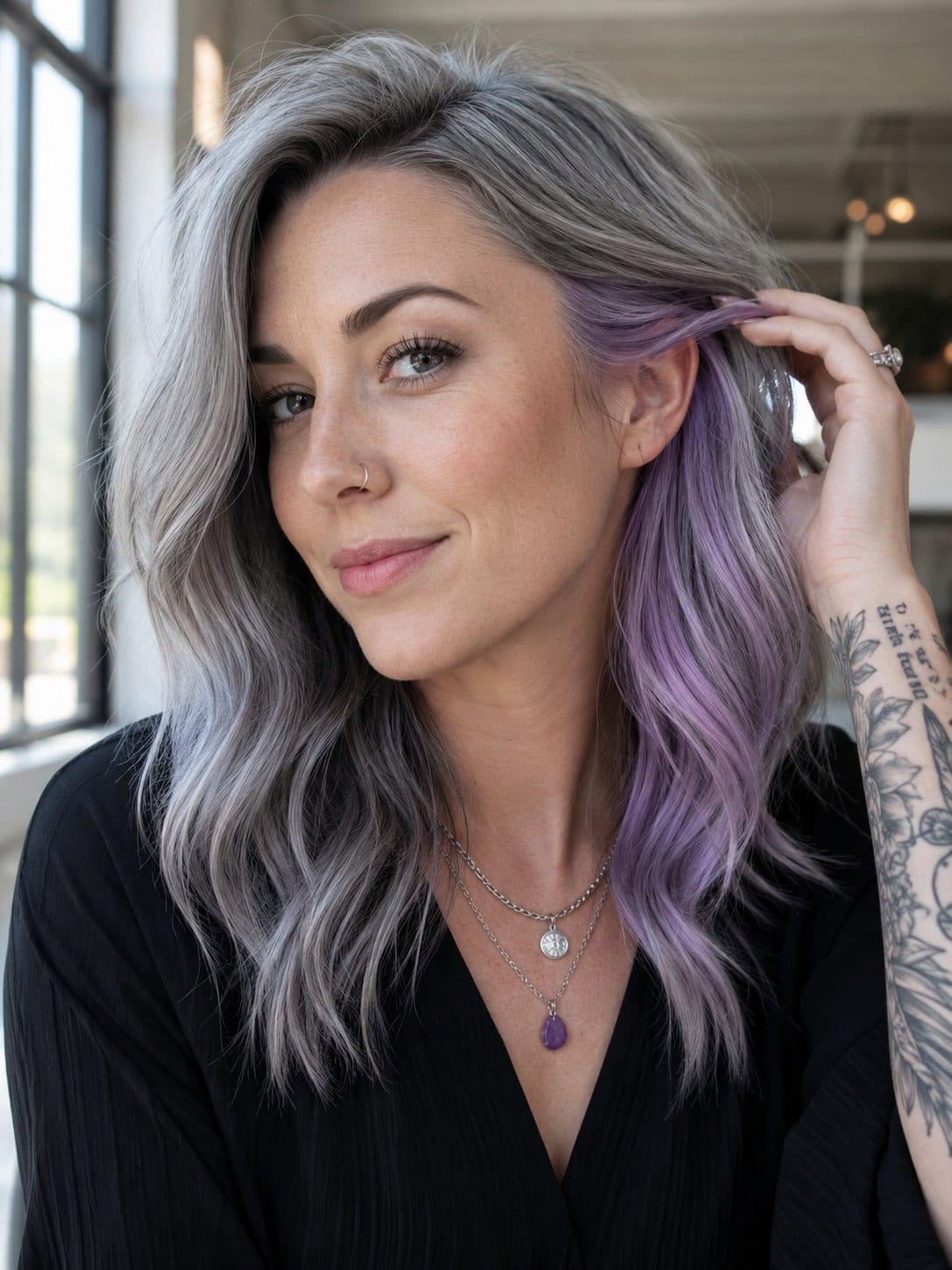
All-over gray with lavender peekaboo panels hidden underneath combines two trends into one. The gray top stays the dominant shade, while lavender flashes appear when hair tucks behind an ear or pulls into a ponytail. Both colors require the same near-white base, so the lifting work happens in a single process. Maintenance becomes managing two cool-toned shades, both of which benefit from purple shampoo and color-depositing conditioners.
Sharp Silver Pixie on Mature Hair
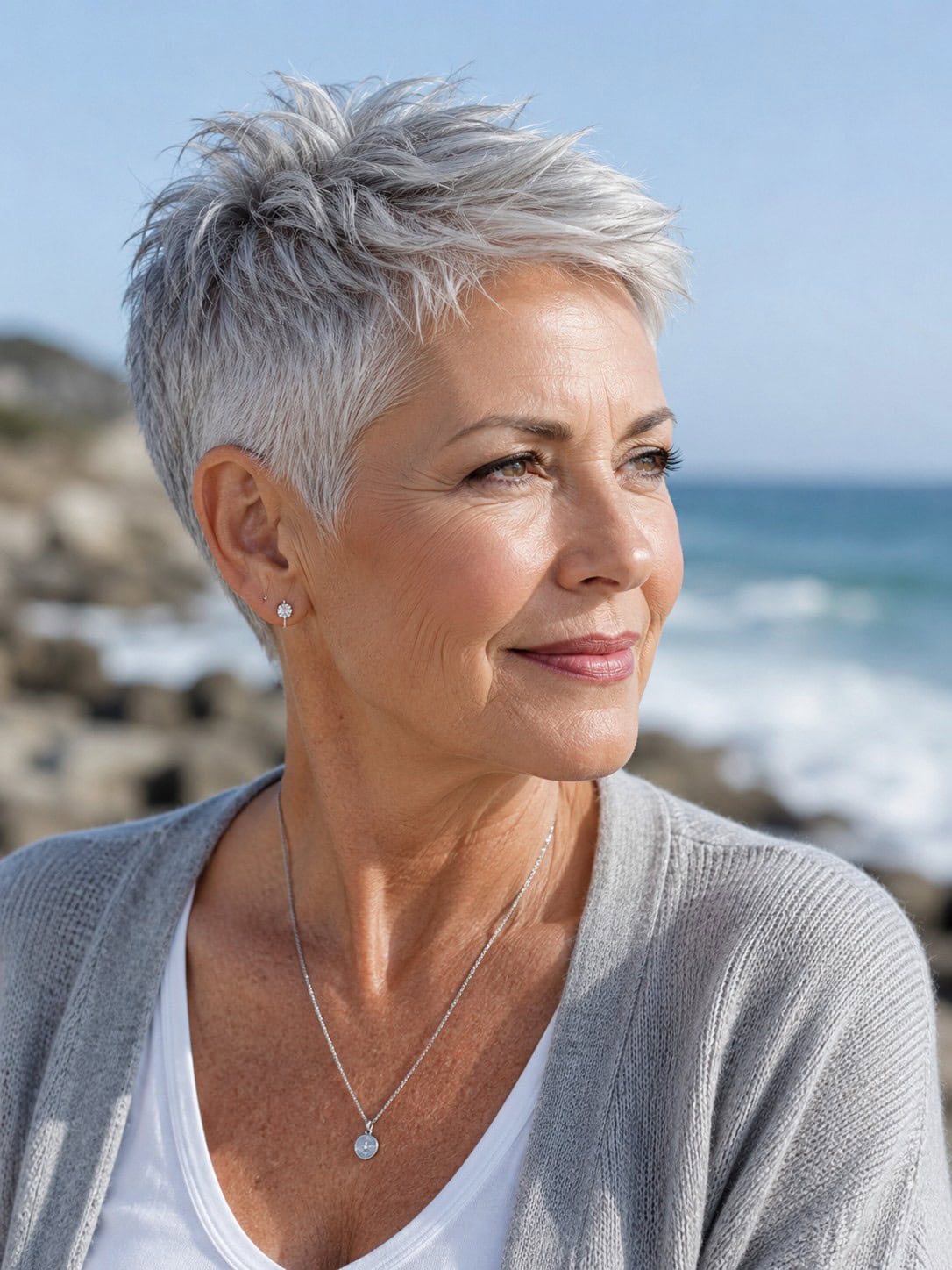
A sharp silver pixie cut suits women whose natural gray has come in fully, allowing them to skip dye entirely and let the haircut carry the style. The crisp shape, with sides cropped close and a longer textured top, makes the silver appear deliberate rather than incidental. Trimming every four weeks keeps the lines clean. A weekly glossing treatment adds the shine that natural gray sometimes lacks without altering the color.
Gray Balayage on Natural Gray Hair
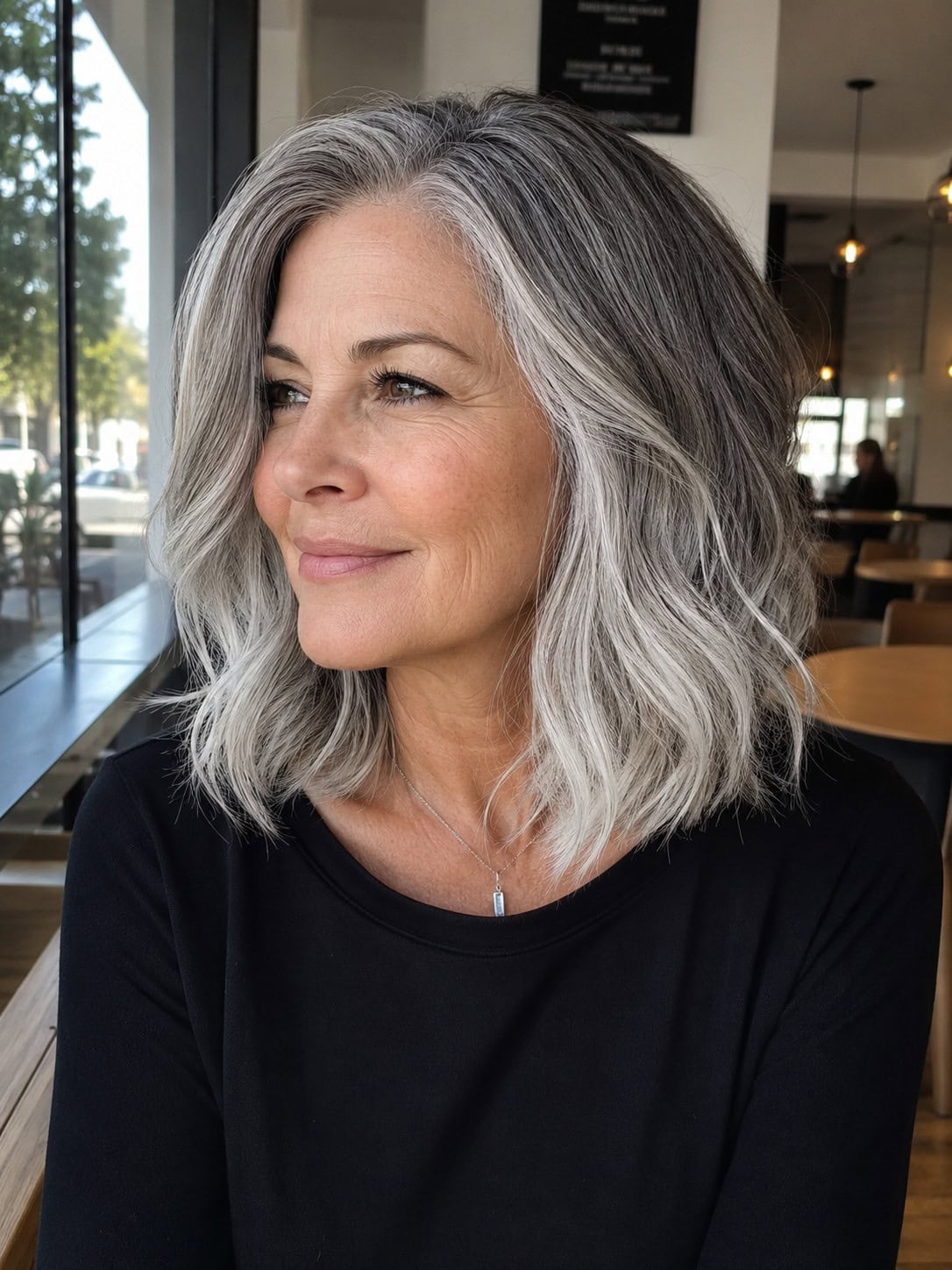
Balayage placed onto already-gray hair adds dimension to natural silver that has come in mostly uniform. The colorist paints slightly lighter or darker tones throughout the gray, often using white at the ends and darker pewter at the roots. The result comes across as multi-tonal gray rather than the flat single-shade gray that natural growth sometimes creates. Toning sessions every three months maintain the painted dimensions without requiring full re-application.