Fulani braids are one of the few protective styles where the parting pattern matters as much as the braids themselves. The signature setup, a center cornrow flanked by side-swept braids, often finished with beads or cuffs, comes from the Fulani people of West Africa and has been worn for centuries before becoming a mainstream salon request. What makes them so versatile is how endlessly customizable they are: length, thickness, bead placement, and how you combine them with other techniques. These 22 variations show what's possible.
Jump to:
- Classic Fulani Braids With Beads
- Long Fulani Braids
- Short Fulani Braids
- Fulani Braids in a Ponytail
- Fulani Braids With Curly Ends
- Side-Swept Fulani Braids
- Fulani Bob
- Fulani Braids With a Top Bun
- Half-Up Half-Down Fulani
- Fulani Braids With Color
- Triangle Part Fulani
- Knotless Fulani Braids
- Fulani Braids With Heart-Shaped Parting
- Jumbo Fulani Braids
- Fulani Braids With Heart Beads
- Stitch-Style Fulani
- Fulani With Beaded Cuffs
- Fulani Braids in a Low Bun
- Fulani Braids With Cowrie Shells
- Goddess Fulani Braids
- Mohawk Fulani Braids
- Fulani Braids With a Headwrap
Classic Fulani Braids With Beads
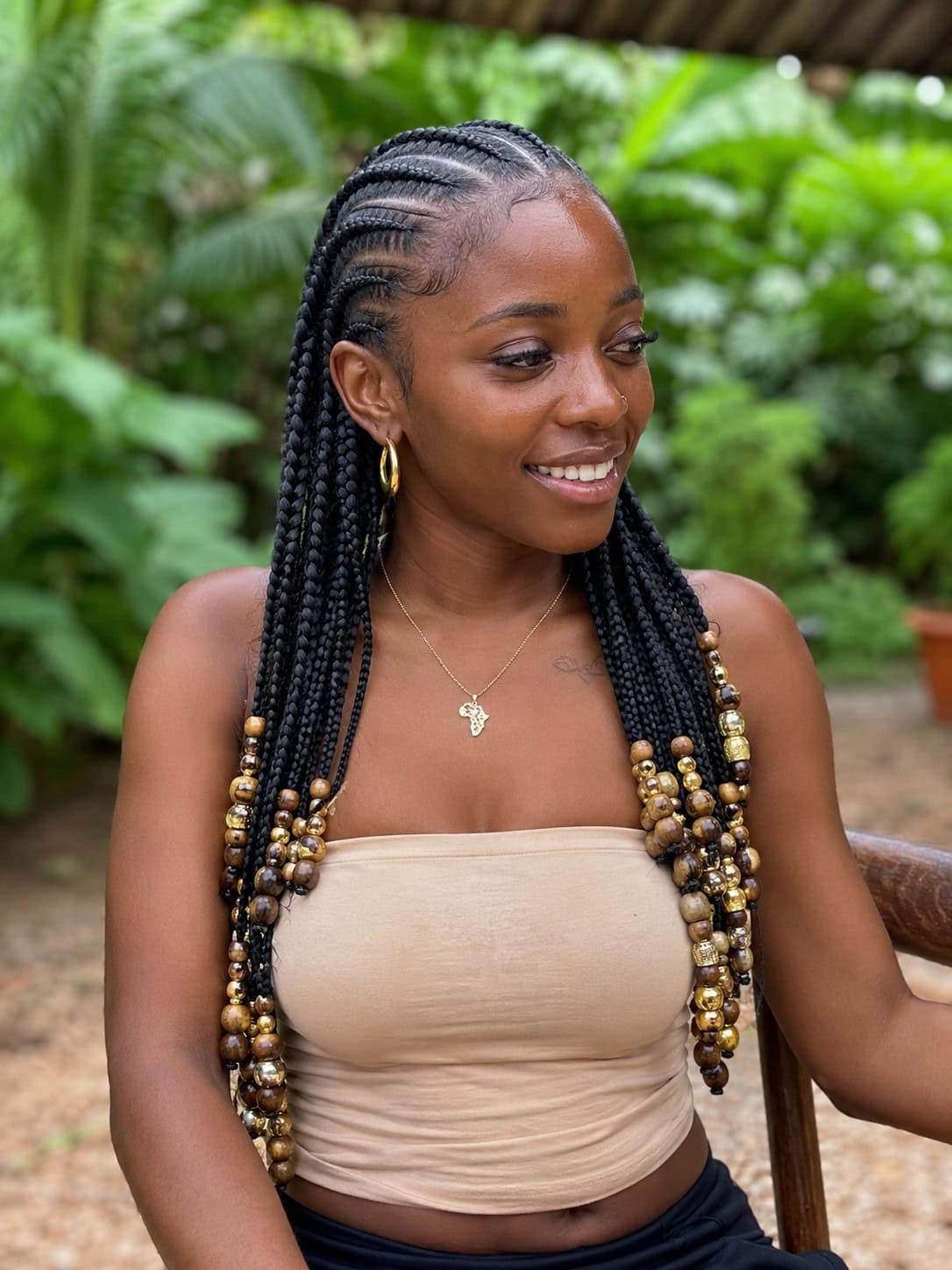
The original blueprint. A single cornrow runs down the center of the head from forehead to crown, with smaller braids cornrowed along each side and longer braids cascading down. Wooden or gold beads finish the ends and sometimes mid-length too. This version honors the traditional Fulani aesthetic and works on any face shape. Install takes four to six hours and lasts six to eight weeks with proper edge care.
Long Fulani Braids
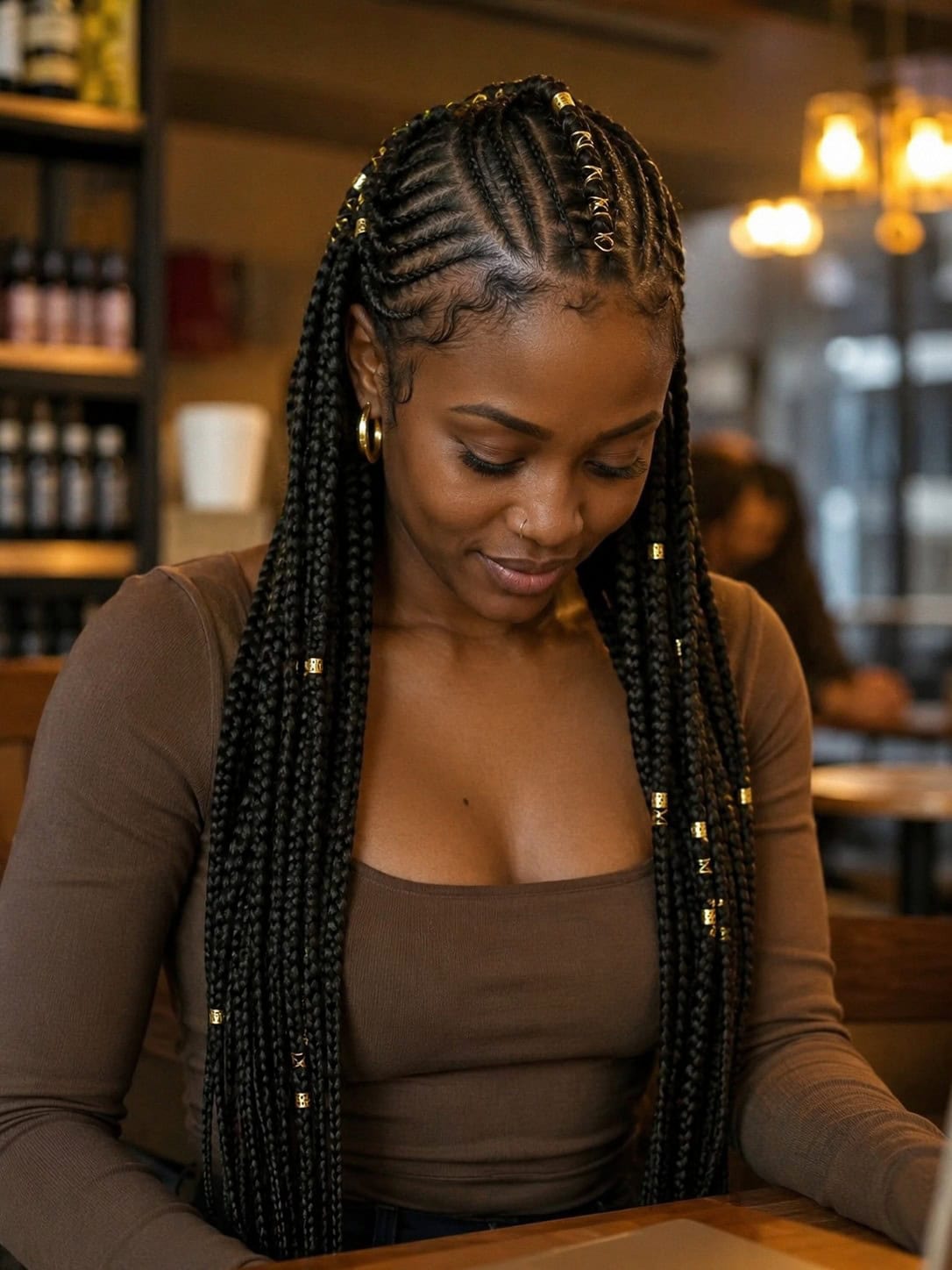
Length added through extensions, usually reaching mid-back or waist. The center cornrow stays prominent while the side braids extend dramatically downward. Add a few gold cuffs scattered throughout for movement and shine. Long Fulani braids photograph beautifully and feel substantial without being heavy if installed correctly. Keep your scalp moisturized with a lightweight oil and tie down with a satin scarf nightly to protect the install.
Short Fulani Braids
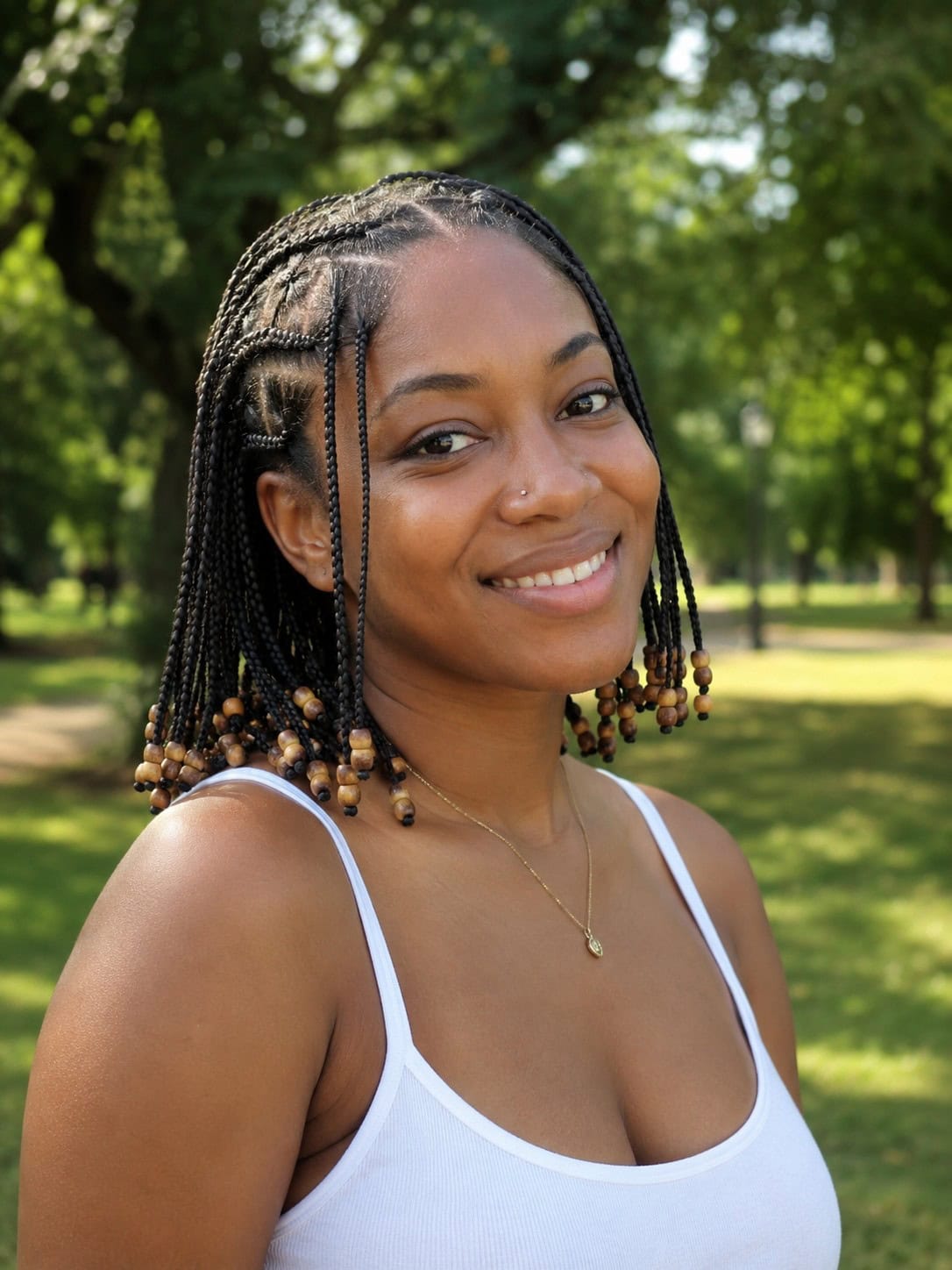
Stopping at the shoulders or collarbone, short Fulani braids offer the same intricate parting pattern with less weight and faster install time. Three to four hours in the chair instead of six. The shorter length swings easily and frames the face beautifully, perfect for summer or anyone new to the style. Add wooden beads at the ends for a polished Fulani-specific finish that distinguishes them from regular cornrows.
Fulani Braids in a Ponytail
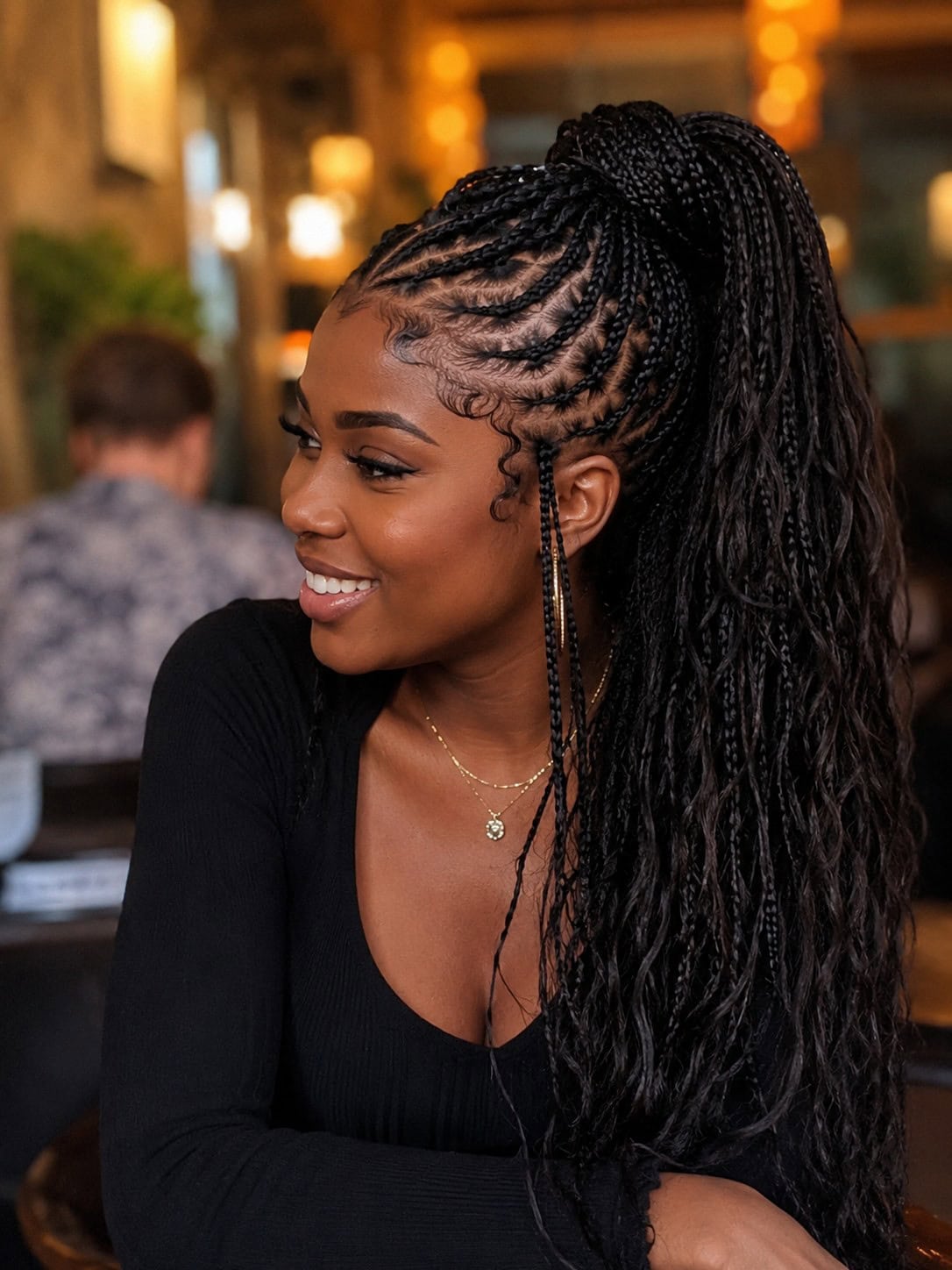
Gather all your braids into a single high or low ponytail, secured with a wrapped braid or hair tie. The cornrowed pattern across the scalp stays visible and intricate while the loose ends create dramatic movement. A high ponytail elongates the neck and reads athletic, while a low one feels more sophisticated. Use a satin scrunchie to avoid stressing the braids at the gather point.
Fulani Braids With Curly Ends
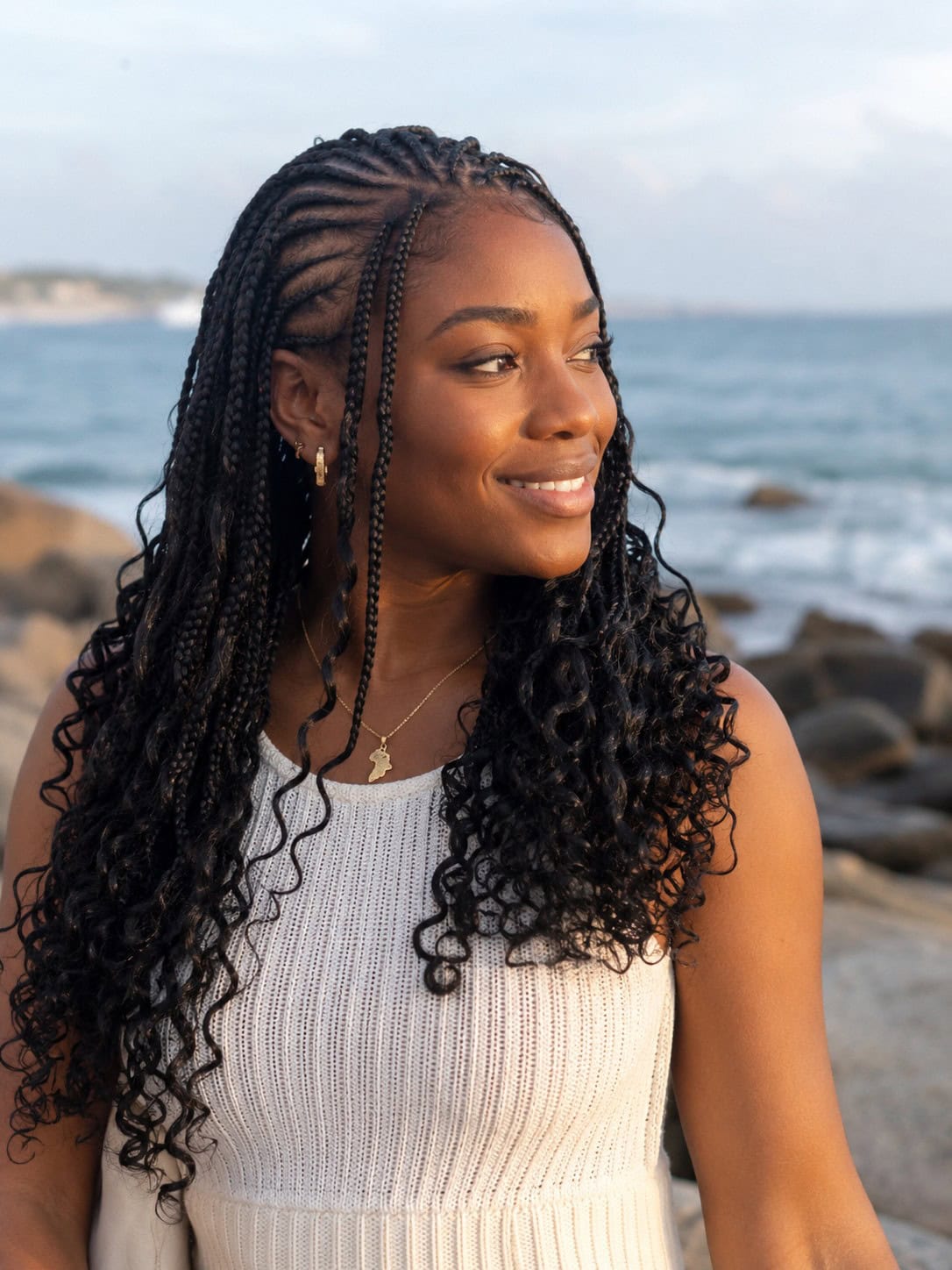
Standard Fulani install with the bottom three to four inches dipped in hot water to set a loose curl pattern. The contrast between sleek braids and curly ends adds texture and softness to the whole look. Use synthetic braiding hair specifically labeled as curlable, since not all types respond to heat. This finish suits anyone wanting their braids to feel more dressed and less utilitarian.
Side-Swept Fulani Braids
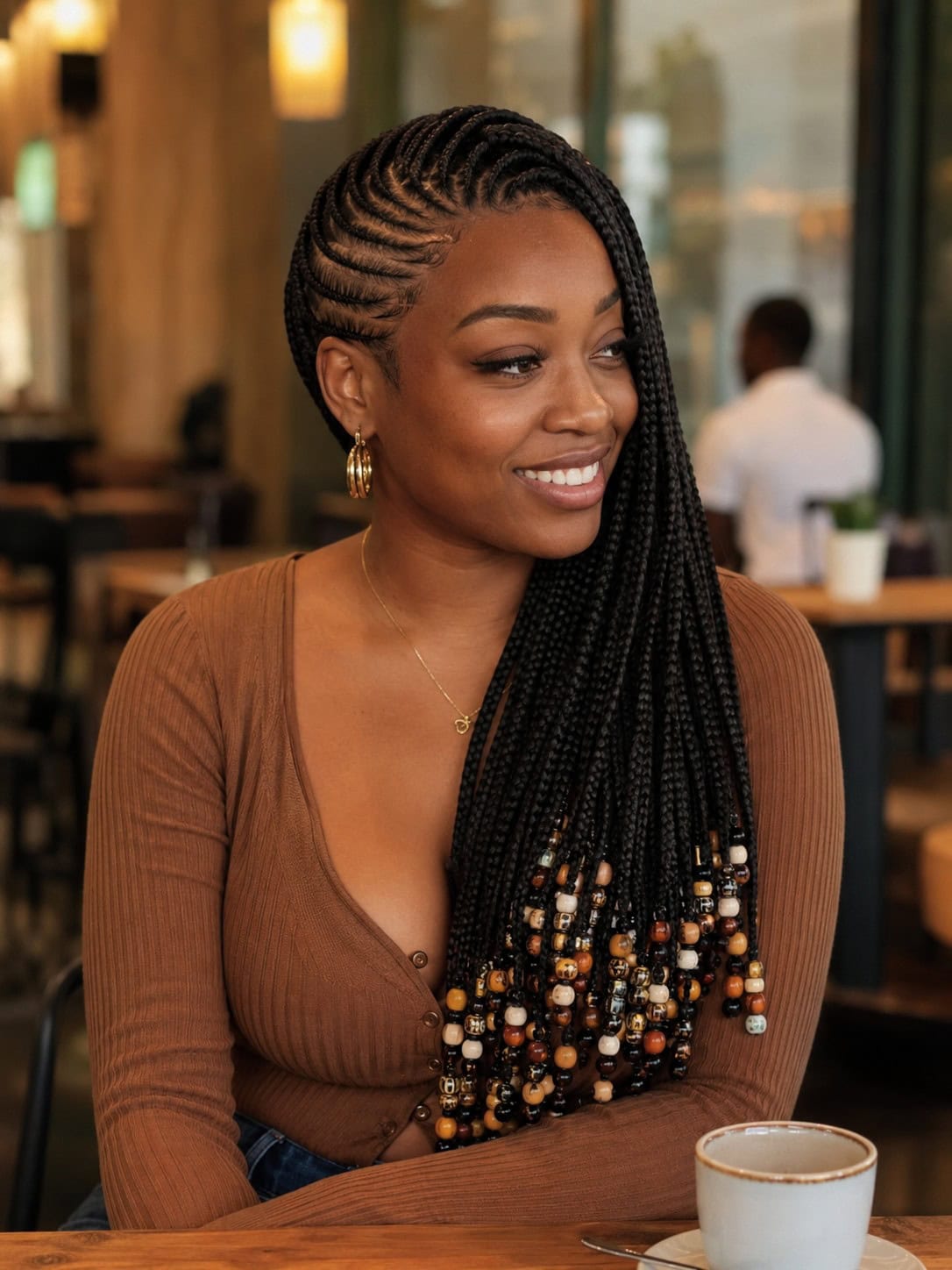
The center cornrow shifts off-center, with all the side braids sweeping dramatically to one direction. This asymmetrical version feels modern and editorial while still honoring the Fulani parting structure. Add a deep parting on the opposite side for emphasis. Beads work especially well here, clustered near your shoulder where they catch the light. A flattering choice for round and square faces.
Fulani Bob
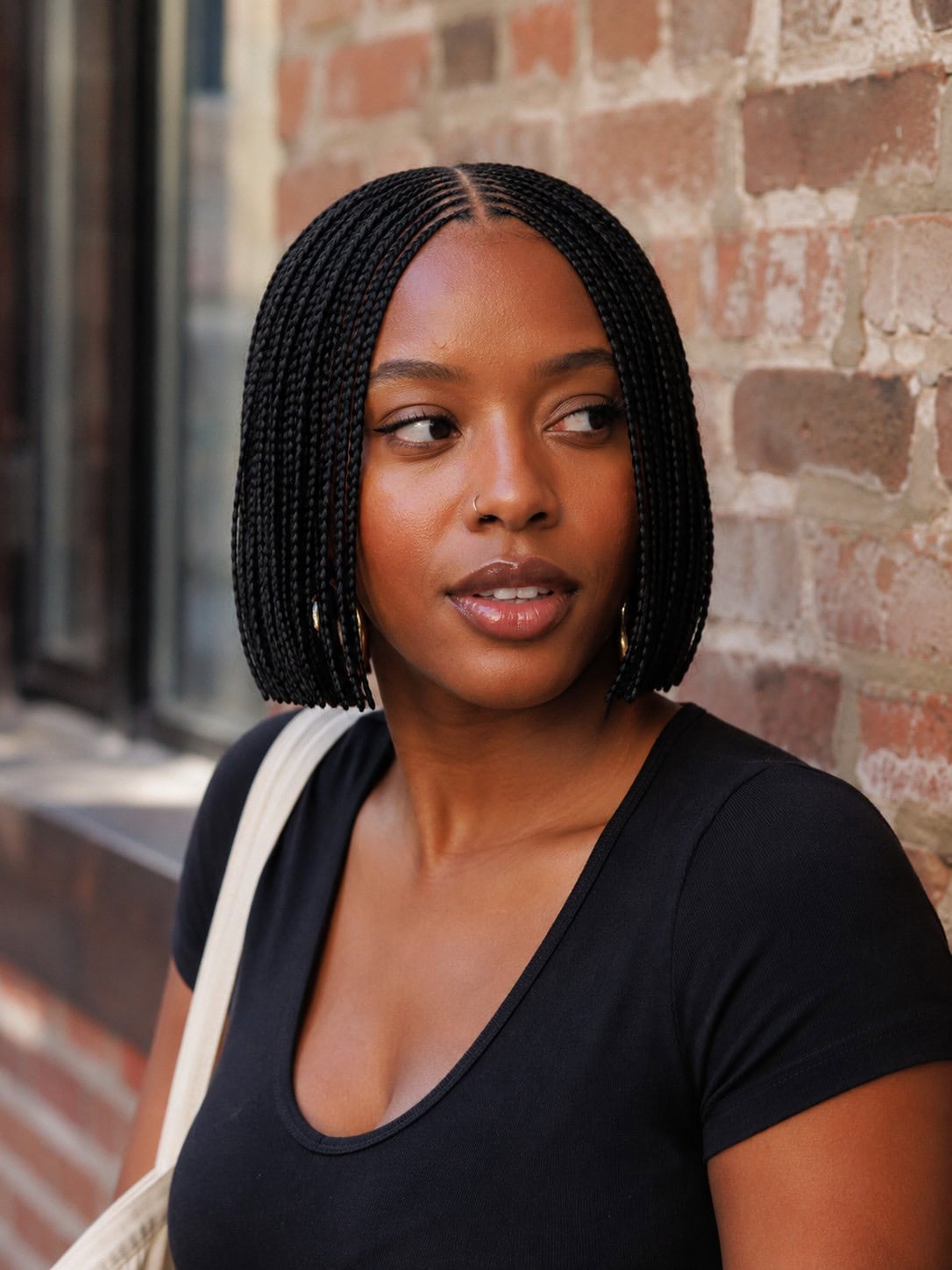
All braids cut blunt at the chin or jaw, creating a sleek bob silhouette with the signature parting on top. The bob shape makes the intricate cornrow work even more visible since nothing hangs past it. This style suits women who want a polished, professional finish without the weight of long braids. Best with smaller beads or no beads at all to keep the silhouette clean.
Fulani Braids With a Top Bun
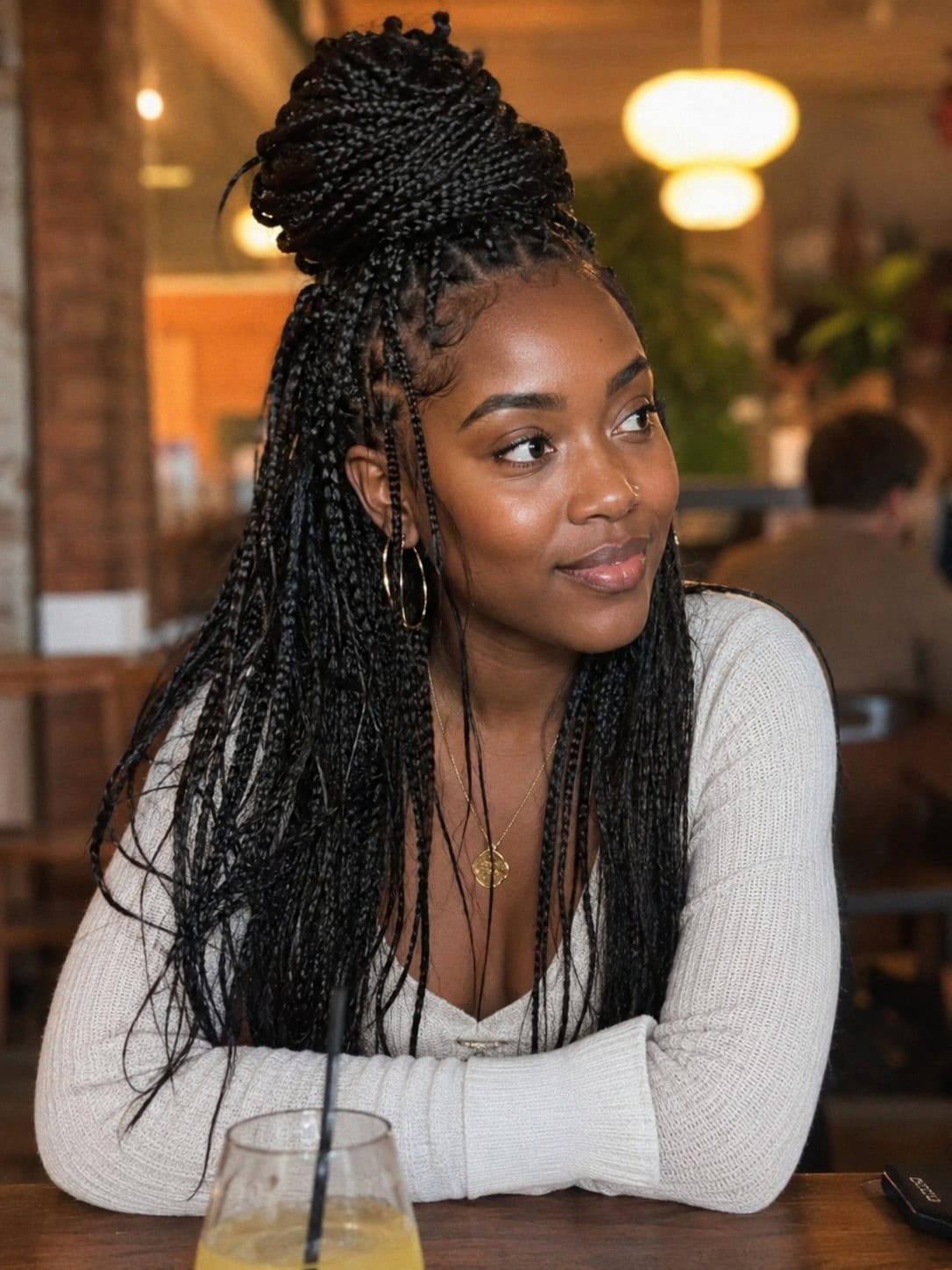
Pull the top section of braids into a high bun while letting the bottom braids hang free. The contrast between sculpted updo and flowing braids creates a really feminine, going-out kind of look. Wrap one braid around the bun's base to hide your hair tie. Edge control along the hairline keeps everything clean. Easy to take down at night and re-style the next morning.
Half-Up Half-Down Fulani
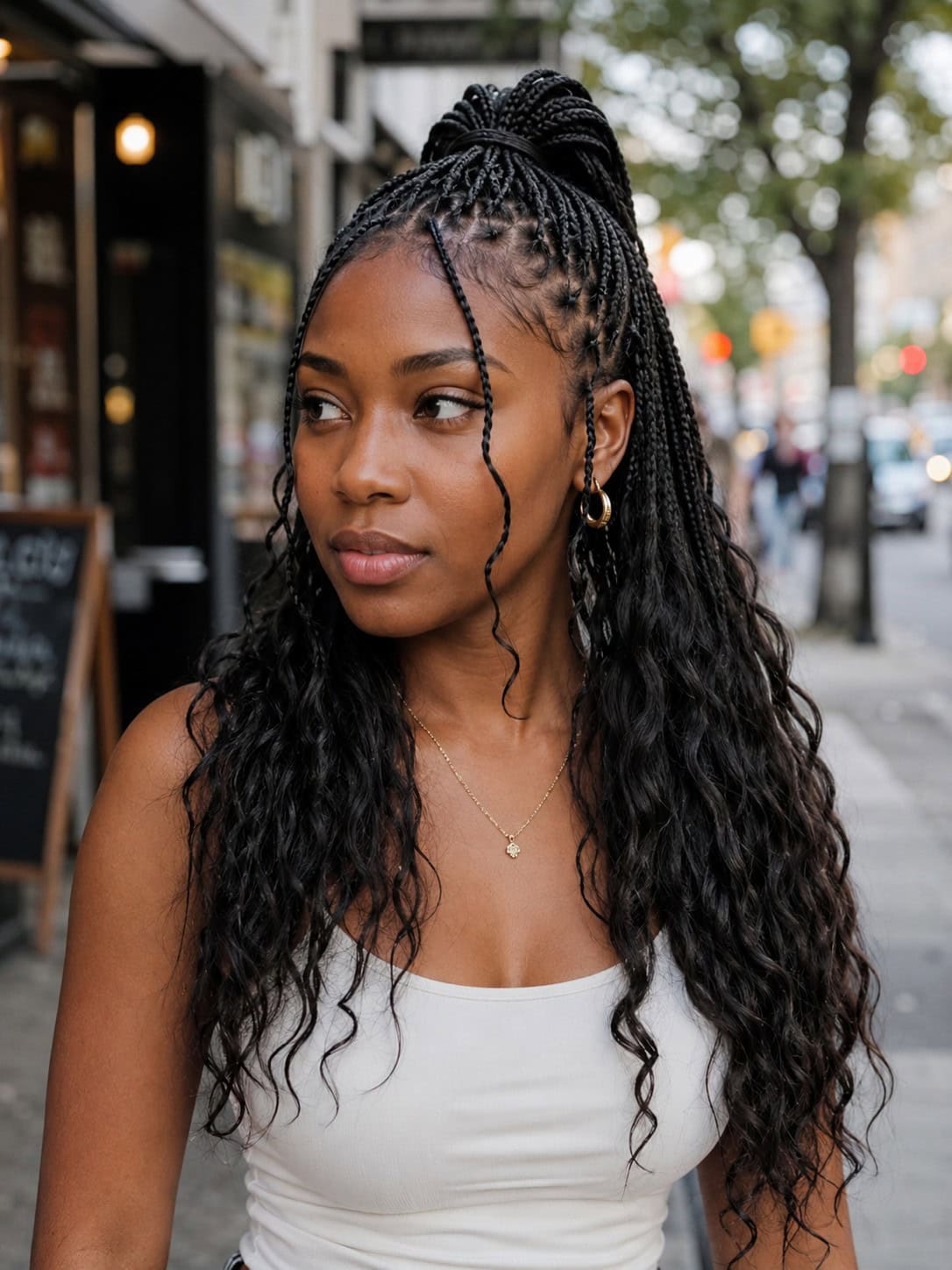
Take the top half of your braids and pull them into a high ponytail or single braid, letting the bottom half flow loose. The half-up reveals the cornrow pattern across the crown clearly while keeping length on display. A few face-framing braids left out around the temples soften the look. This is a great transitional style for when you want variation a week or two into your install.
Fulani Braids With Color
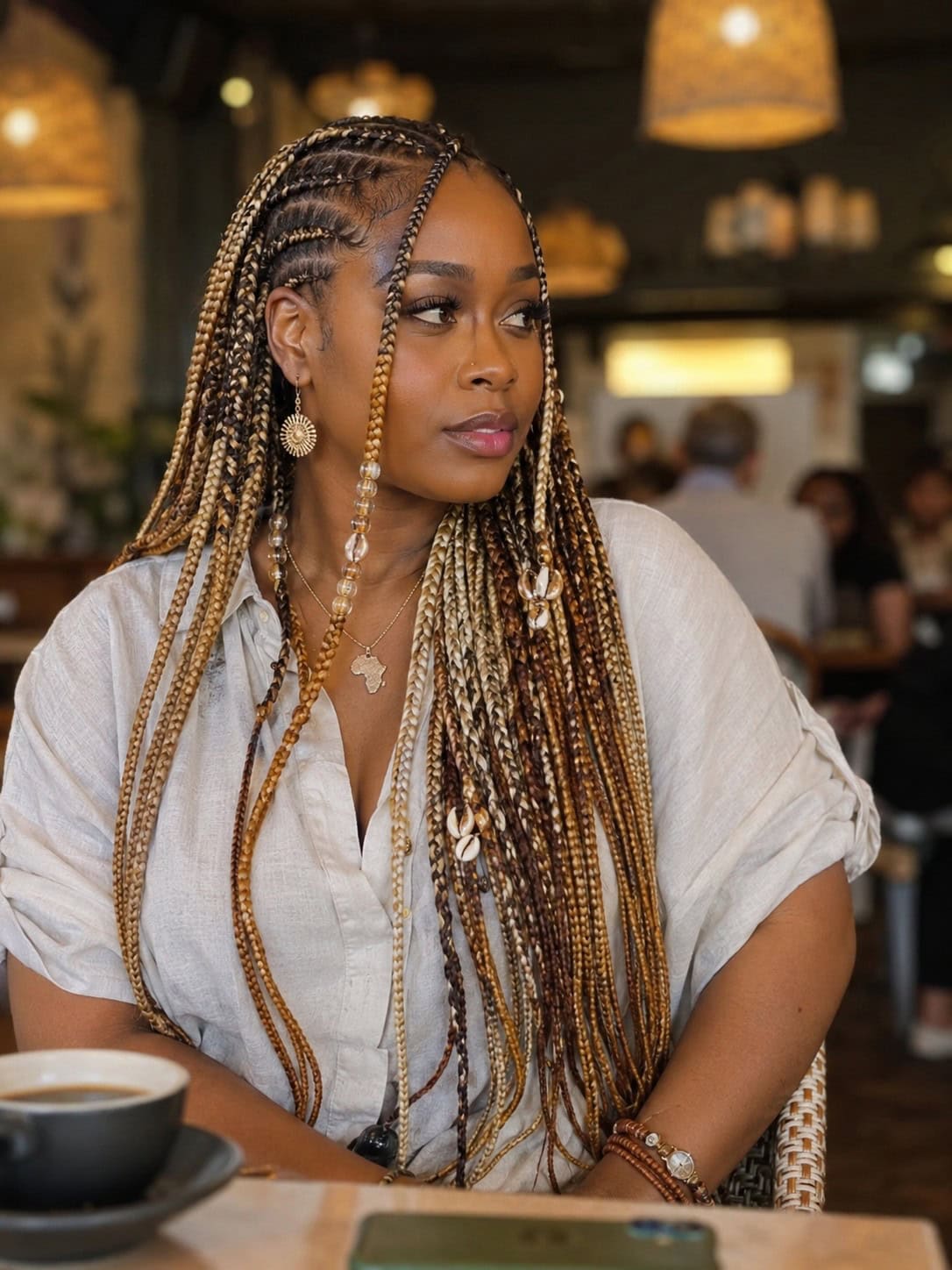
Install with two or three braiding colors blended together, honey blonde mixed into dark brown is a popular combination. The color shows up most in the longer braids while the cornrowed sections stay deeper. Pre-stretched extensions in pre-bonded color combinations save time and look seamless. Color adds visual dimension without committing to actual hair dye, since extensions can be removed and swapped out.
Triangle Part Fulani
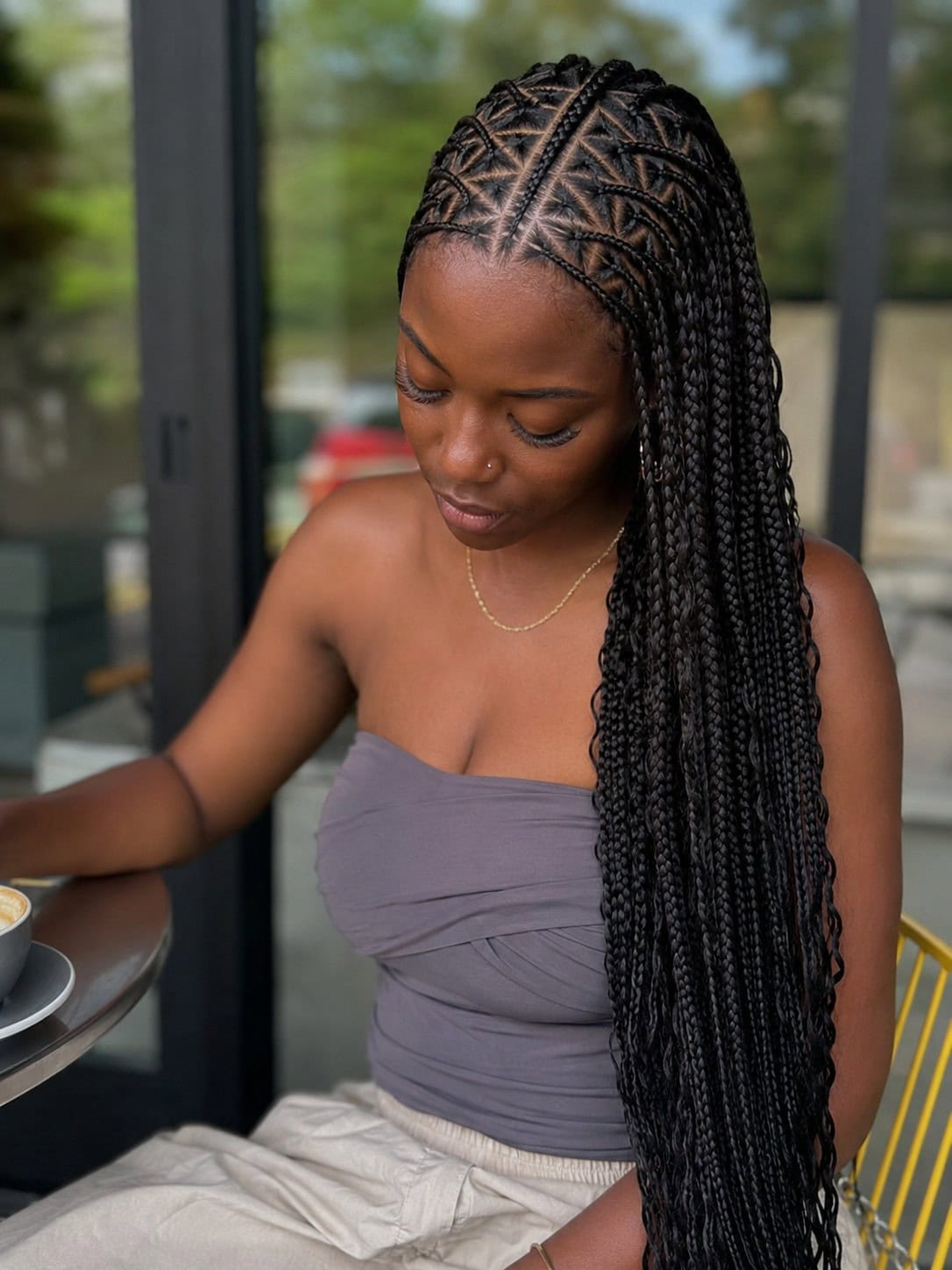
Instead of straight horizontal parts between sections, the braider uses triangular partings throughout, with the signature Fulani center cornrow still intact. The triangle pattern shows up beautifully when braids are gathered or pulled back. This version takes longer to install due to the precise parting work but creates a more sculptural, intentional look. Especially striking when paired with knotless extensions for a flatter root.
Knotless Fulani Braids
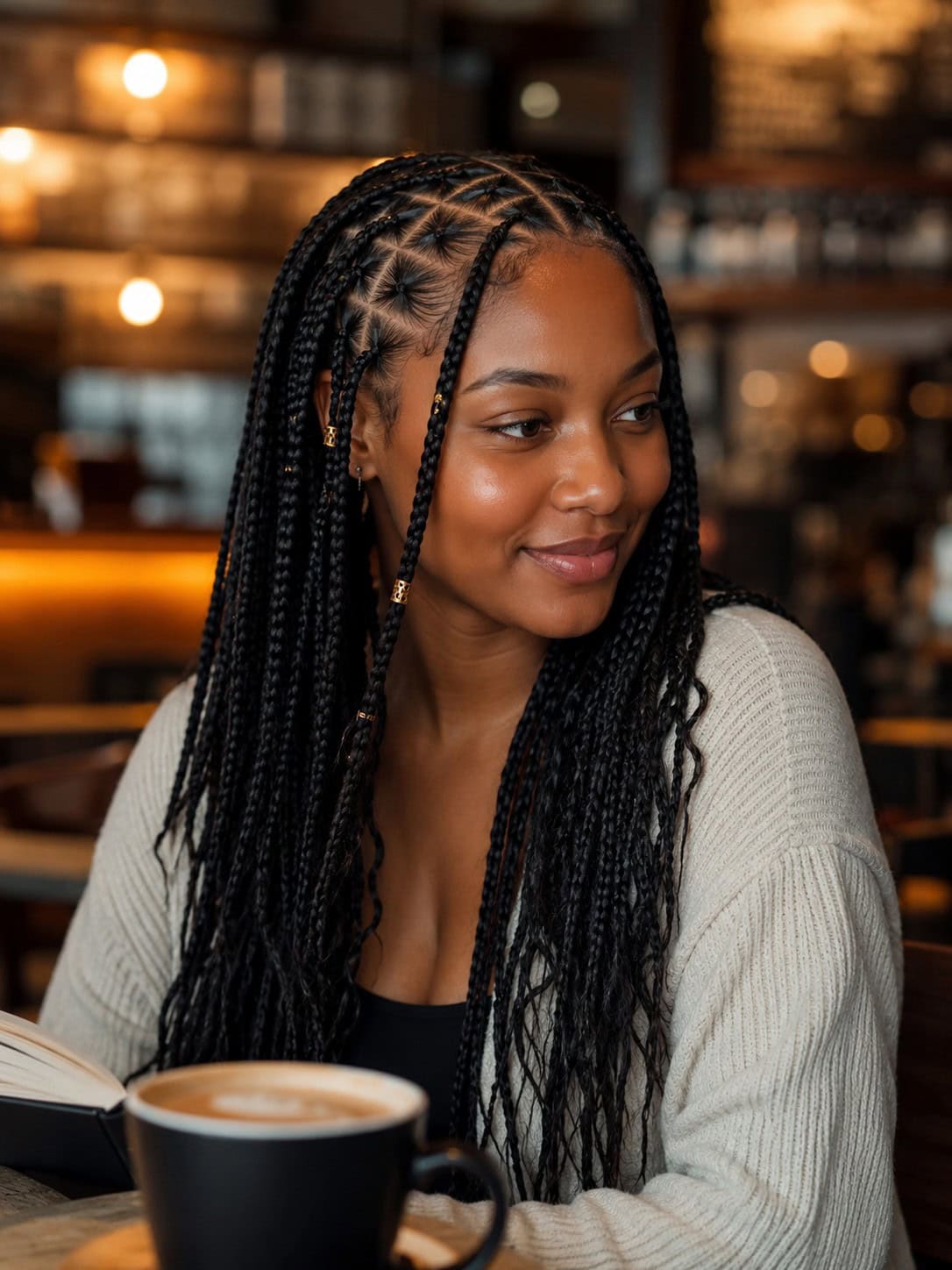
The same parting structure as traditional Fulani but installed using the knotless technique, where extensions are fed in gradually rather than knotted at the base. The result lies flatter against the scalp and causes less tension on the edges. Knotless Fulani are gentler on hair long term and feel lighter immediately. Worth the extra hour or two of install time if you struggle with tightness or thin edges.
Fulani Braids With Heart-Shaped Parting
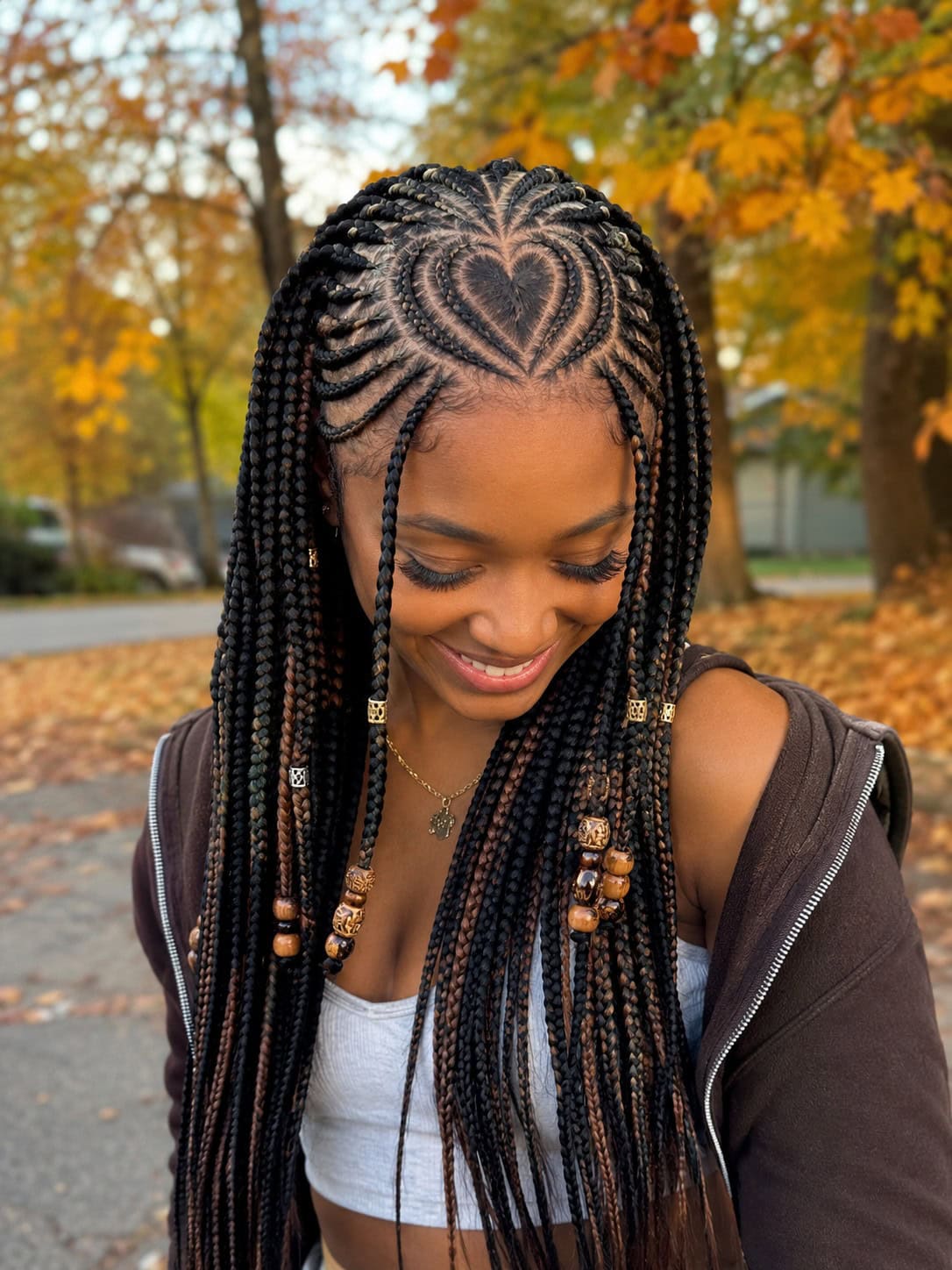
The center section of the scalp is parted into a heart or curved design rather than the standard straight line. The remaining braids work around this central feature, often combined with traditional Fulani side-sweep details. This decorative parting reads playful and creative without losing the protective style benefits. Great for graduations, birthdays, or any moment you want your hair to feel celebratory.
Jumbo Fulani Braids
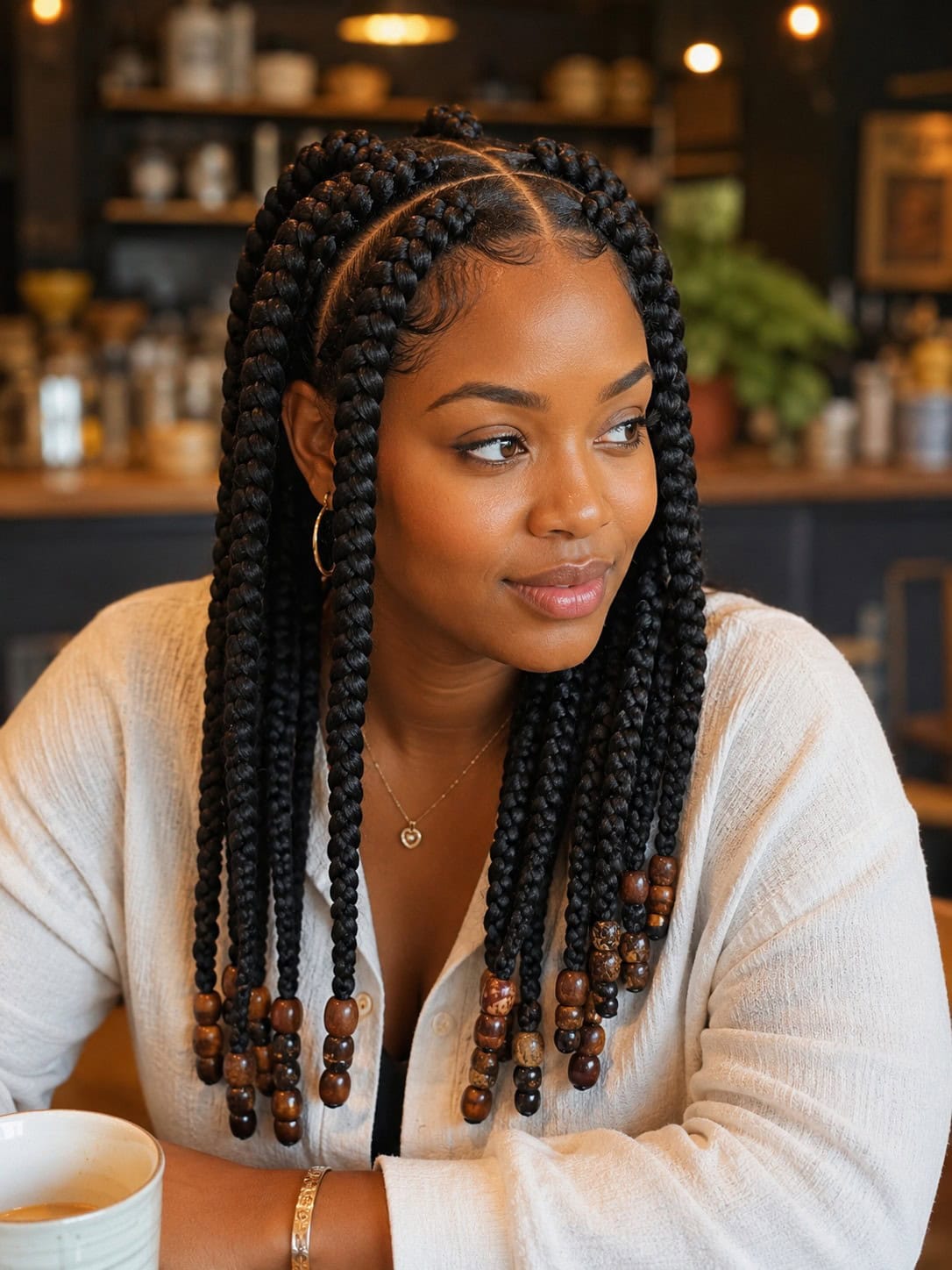
Thicker braids reduce install time significantly and make a bolder visual statement. Instead of dozens of smaller braids, you get eight to twelve substantial ones with the center cornrow still defining the style. Jumbo Fulani last six to eight weeks comfortably and put less tension on your scalp per braid. Add chunky wooden beads to balance the proportion.
Fulani Braids With Heart Beads
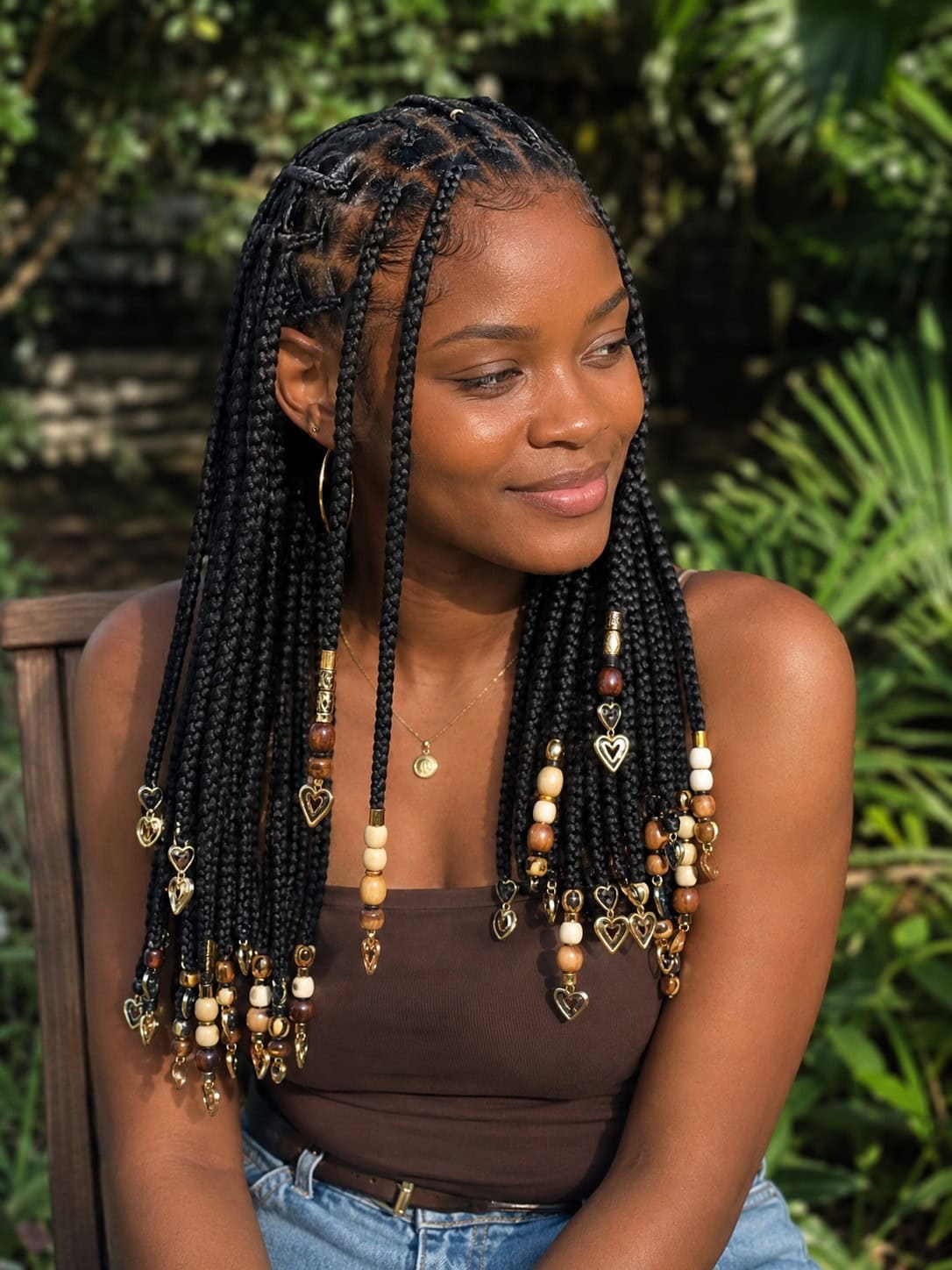
Small heart-shaped charms or beads threaded onto the ends of select braids, scattered rather than uniform. The metallic finish catches light and adds personality without overwhelming the install. Mix with traditional cylindrical beads for variation. This detail makes the style feel customized to you, especially for anniversaries, dates, or events where you want something that photographs distinctly.
Stitch-Style Fulani
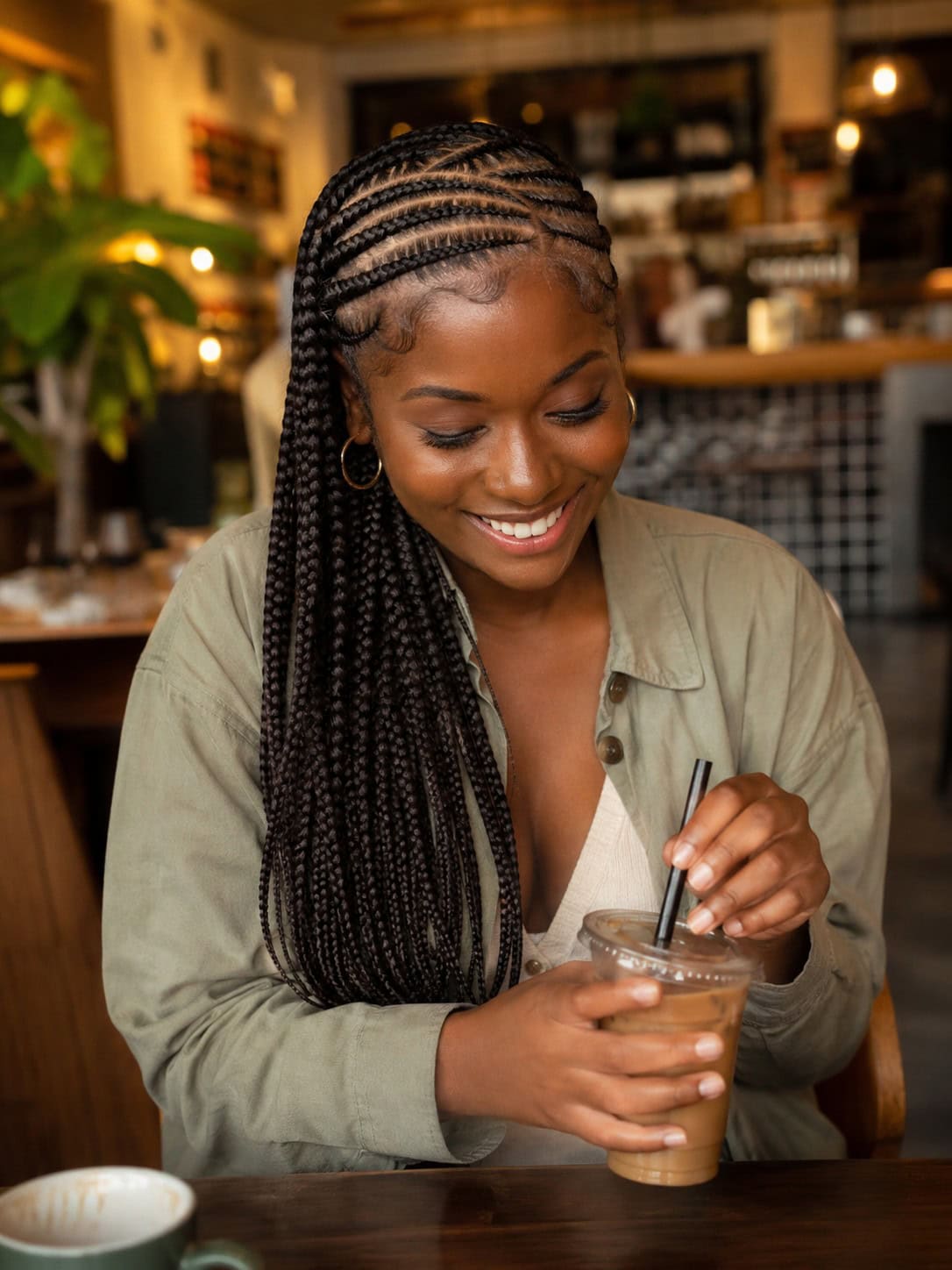
The cornrow portions are done in the precise stitch braid style, where ribbon-like sections of feed-in hair create clean horizontal divisions within each cornrow. The result is incredibly neat and detailed. Combine with traditional Fulani parting and side-swept braids for a hybrid that takes the best of both styles. Stitch work requires a skilled braider but lasts beautifully through the full install life.
Fulani With Beaded Cuffs
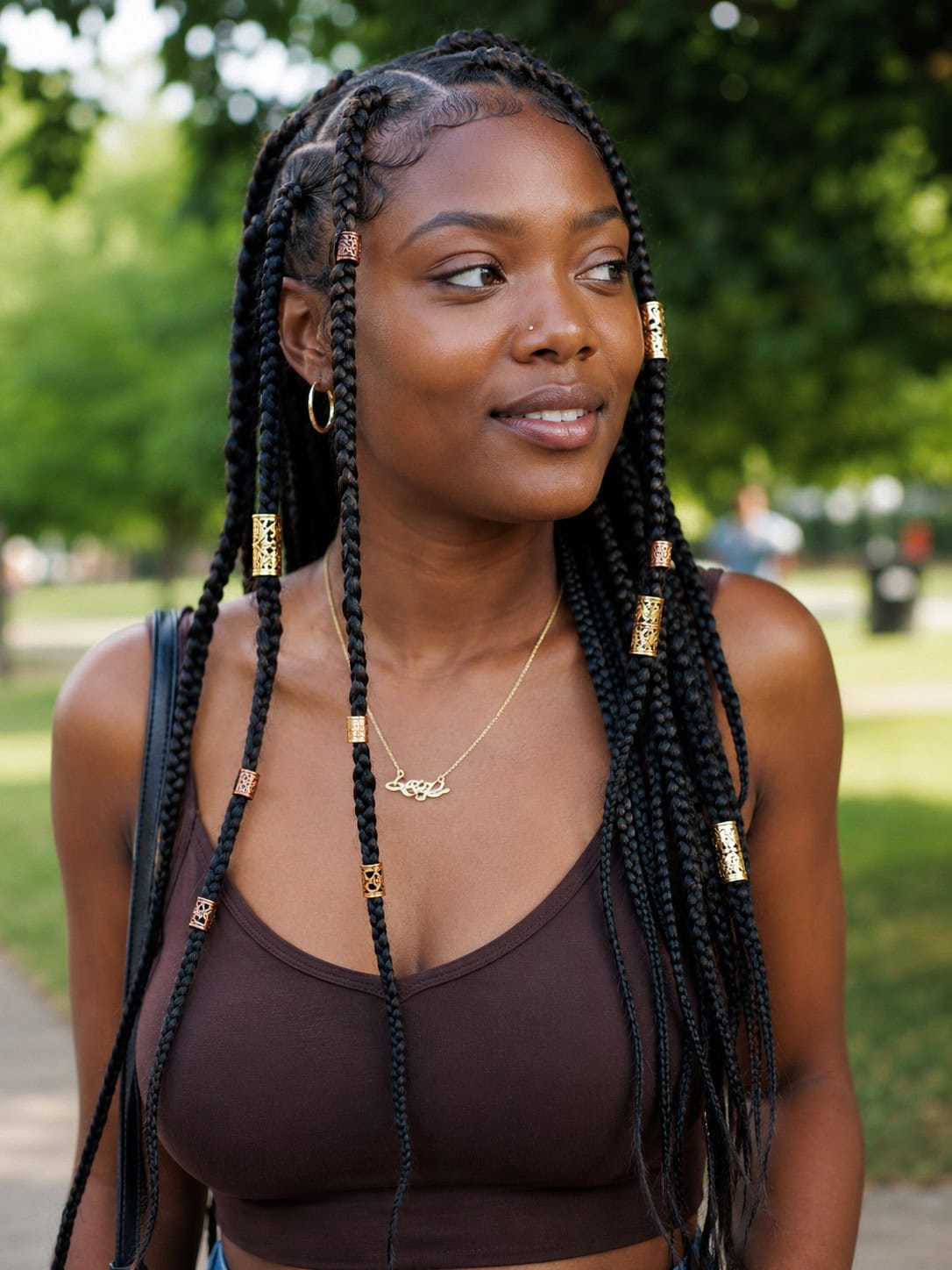
Instead of small beads at the ends, larger metallic cuffs are placed at varying intervals along the longer braids. Gold and copper cuffs warm up most skin tones, while silver feels cooler and more modern. Cuffs slide on and off easily, so you can change the placement throughout your install. Two or three per braid keeps it balanced without feeling overwhelming.
Fulani Braids in a Low Bun
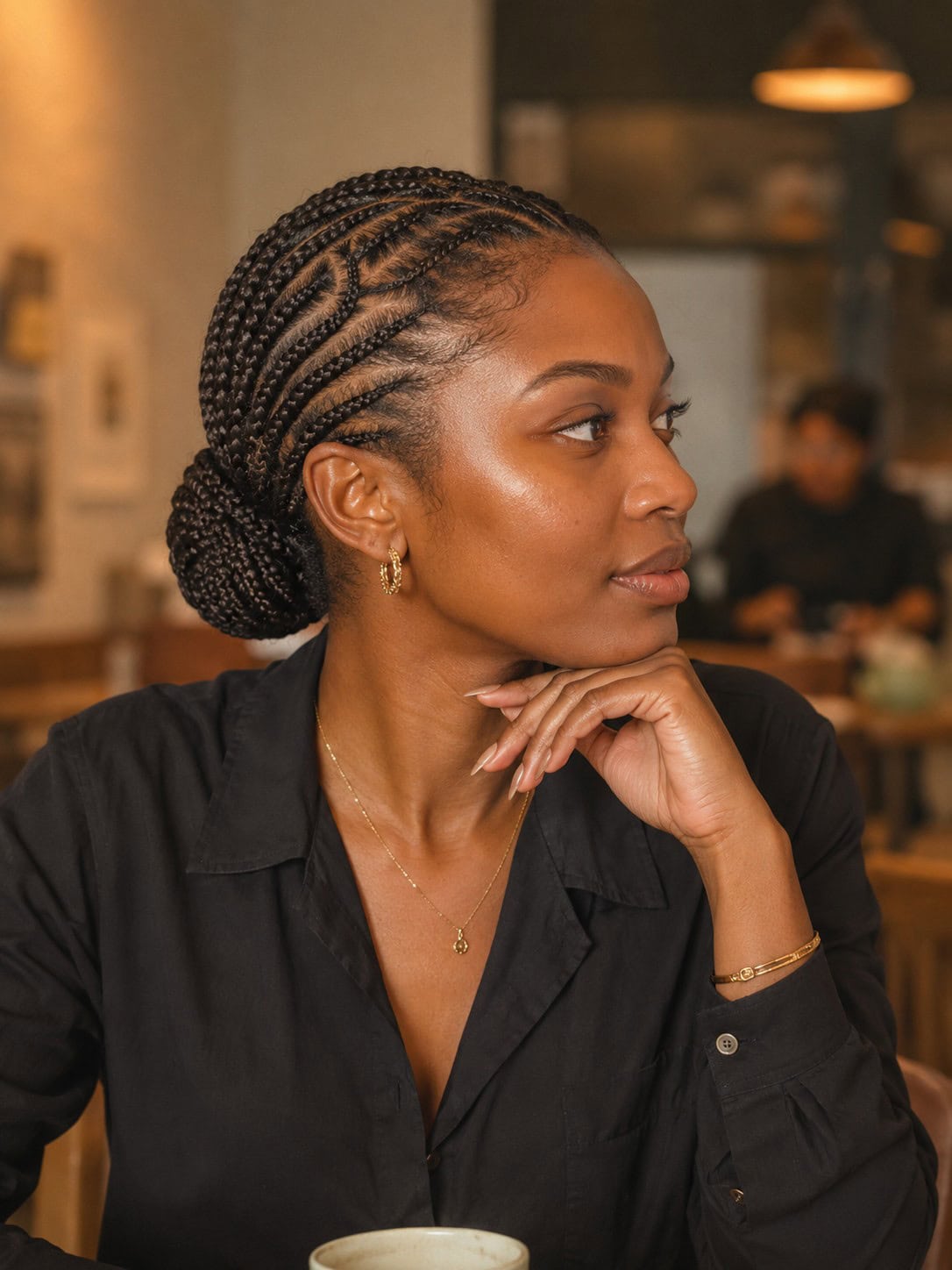
Gather all braids into a single low bun at the nape, secured cleanly with the cornrow pattern visible across the entire scalp. A low bun reads sophisticated and polished, perfect for work, weddings, or formal events. Wrap one braid around the base of the bun for a finished look. Pin in place with several U-pins so the weight doesn't pull throughout the day.
Fulani Braids With Cowrie Shells
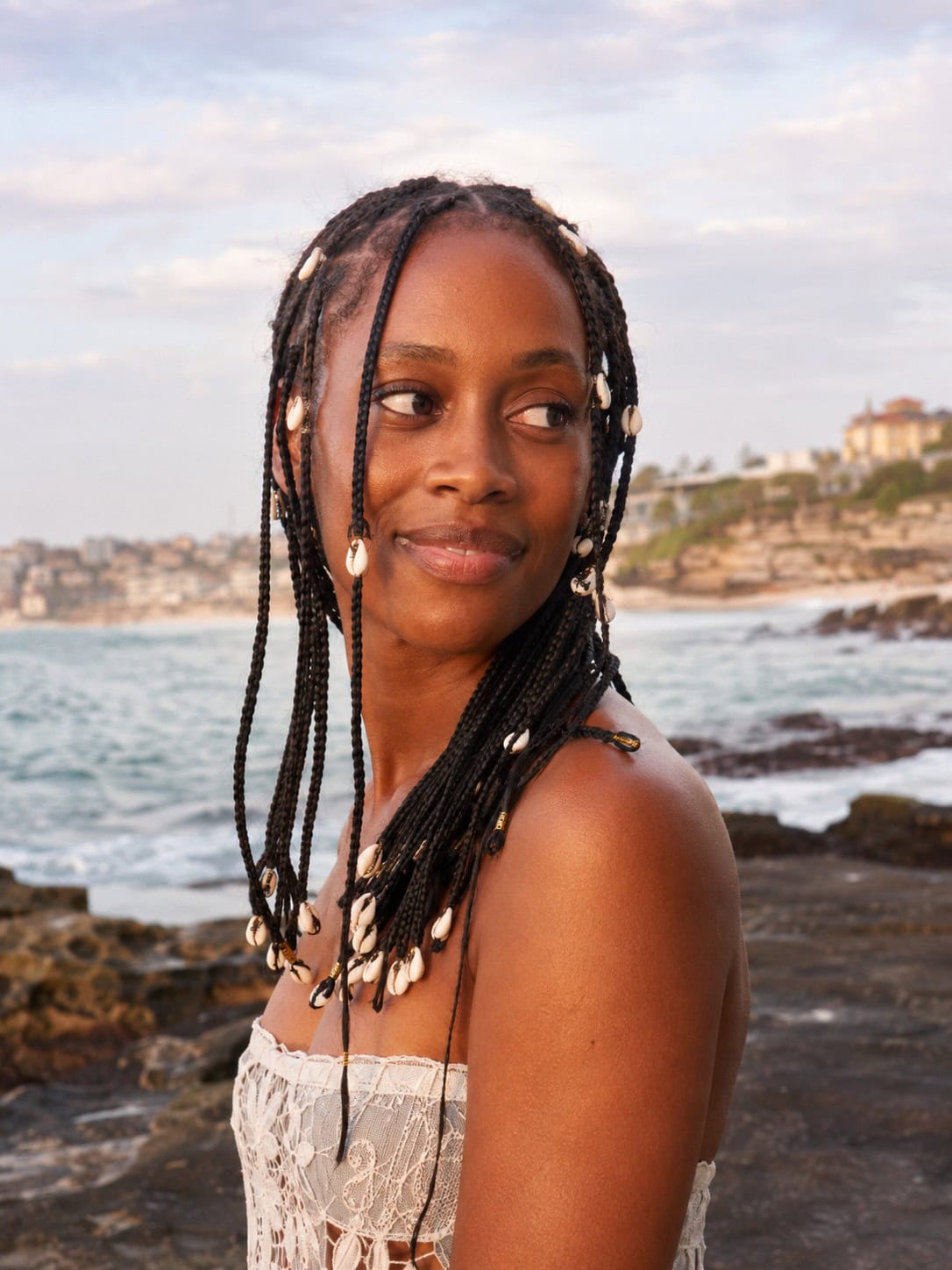
Cowrie shells threaded onto the ends or mid-length of select braids honor the cultural origins of Fulani style and add a beautiful organic texture. The shells are lightweight, so they don't add tension. Cluster three or four on the longest braids and leave others bare. This finish feels deeply rooted and reads as intentional cultural celebration rather than trend.
Goddess Fulani Braids
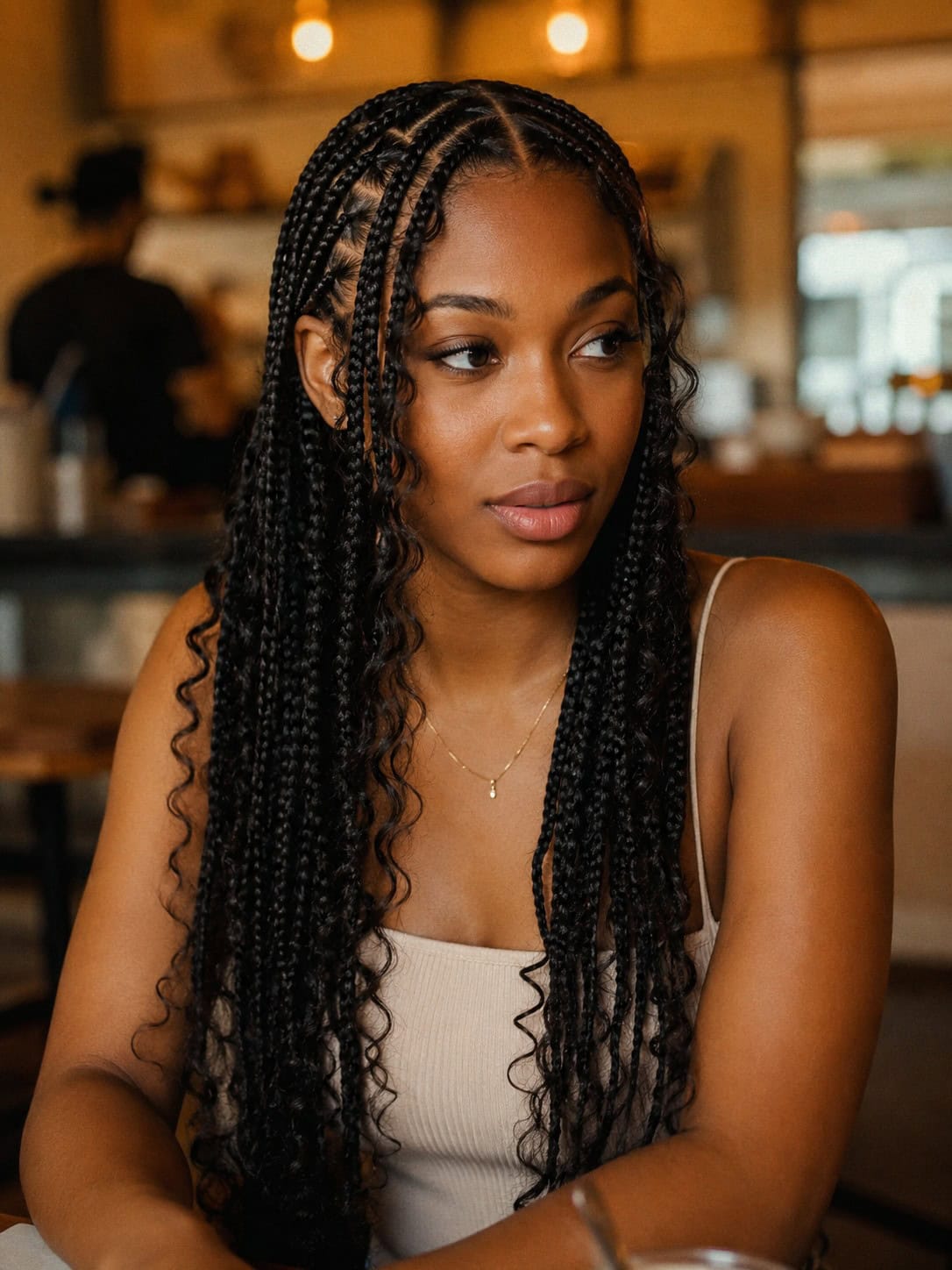
Loose curly hair left out at the temples, hairline, and ends of the braids creates a softer, more romantic version of the style. The cornrowed center parting stays sharp while wispy curls frame the face and trail down from the braid ends. Use water wave or deep wave braiding hair for the curly portions. Reads softer than traditional Fulani while keeping all the structural beauty.
Mohawk Fulani Braids
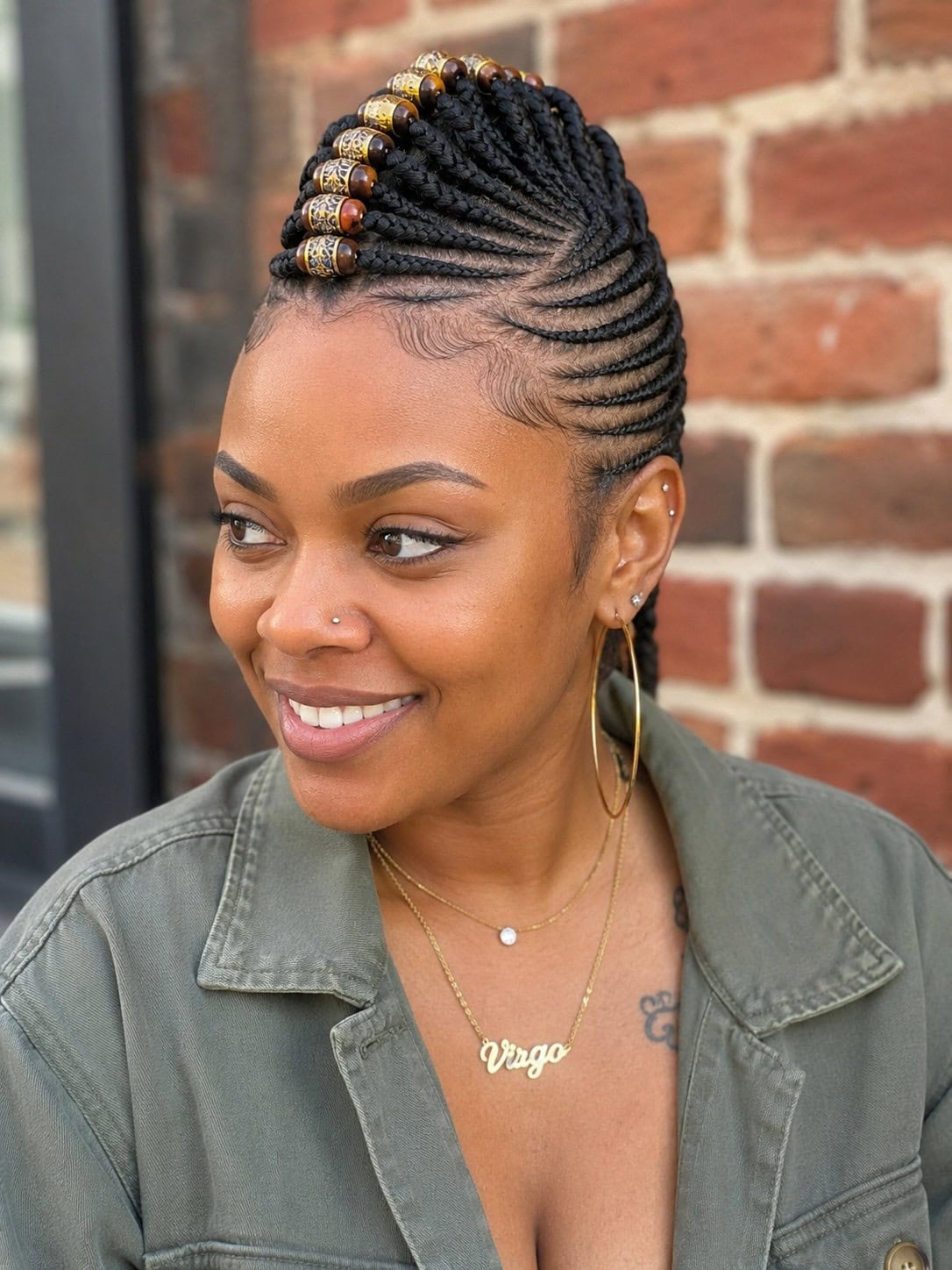
The signature center cornrow is built up taller, with side cornrows sweeping inward dramatically to create a mohawk-like silhouette. Side braids hang loose or are tucked behind the ears, while the elevated central section becomes the focal point. Add beads along the raised center for emphasis. A bold variation that suits anyone wanting their Fulani braids to feel sculptural and statement-making.
Fulani Braids With a Headwrap
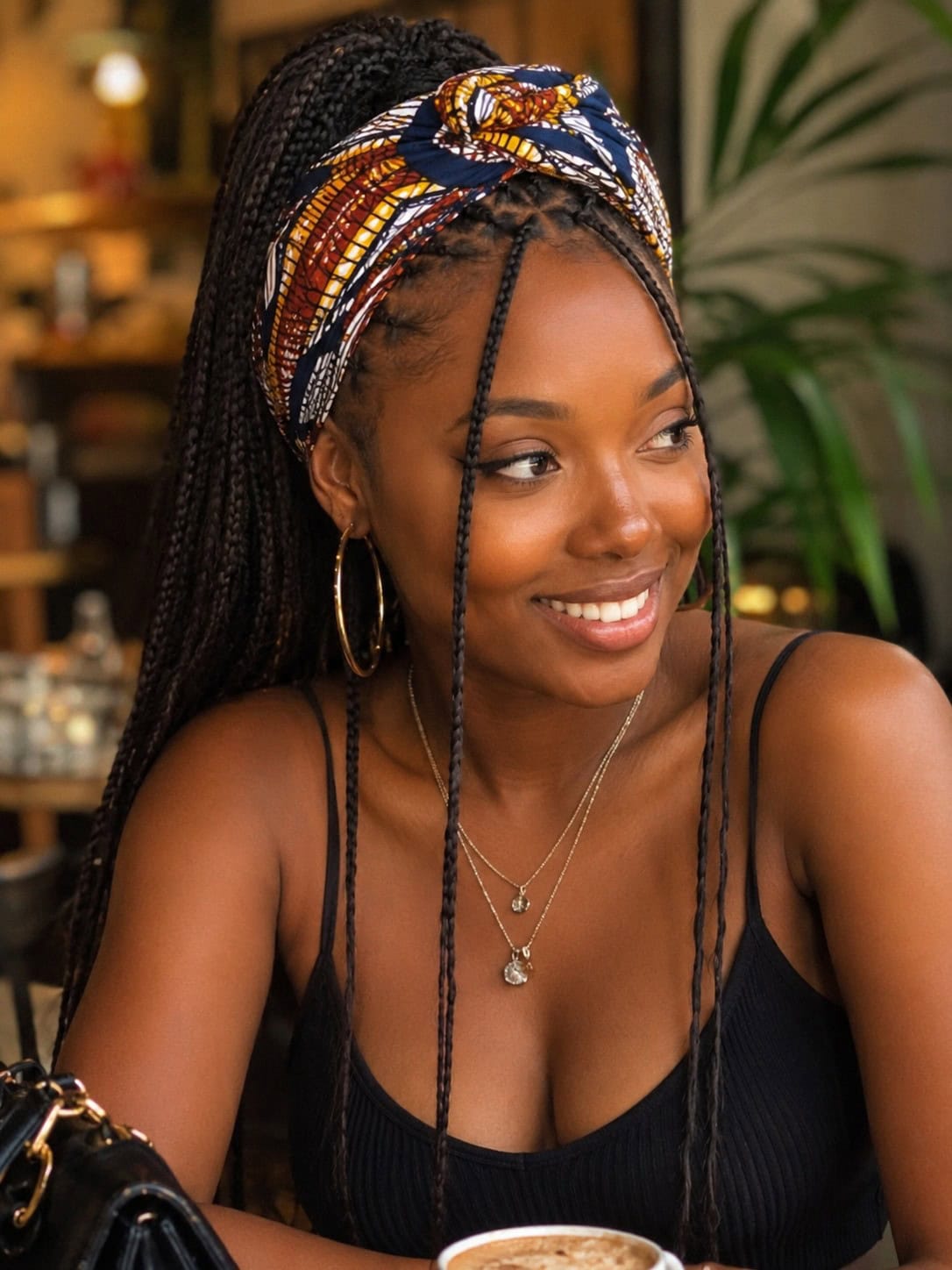
Style your braids however you like, then tie a printed scarf or silk headwrap around the base of your hairline, leaving the braided length flowing free behind. The wrap covers any growth at the edges and adds a layer of cultural styling that complements the Fulani aesthetic beautifully. Ankara prints, silk solids, and beaded scarves all work depending on the occasion.