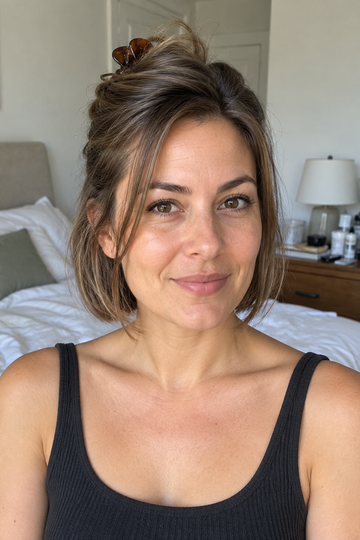
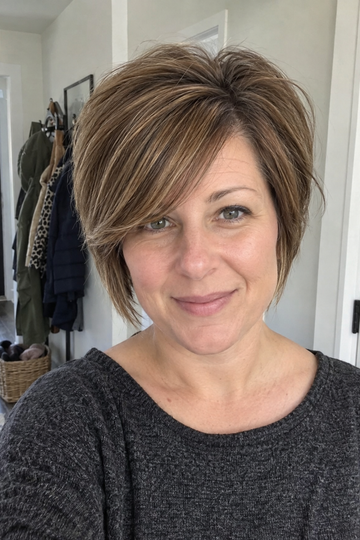
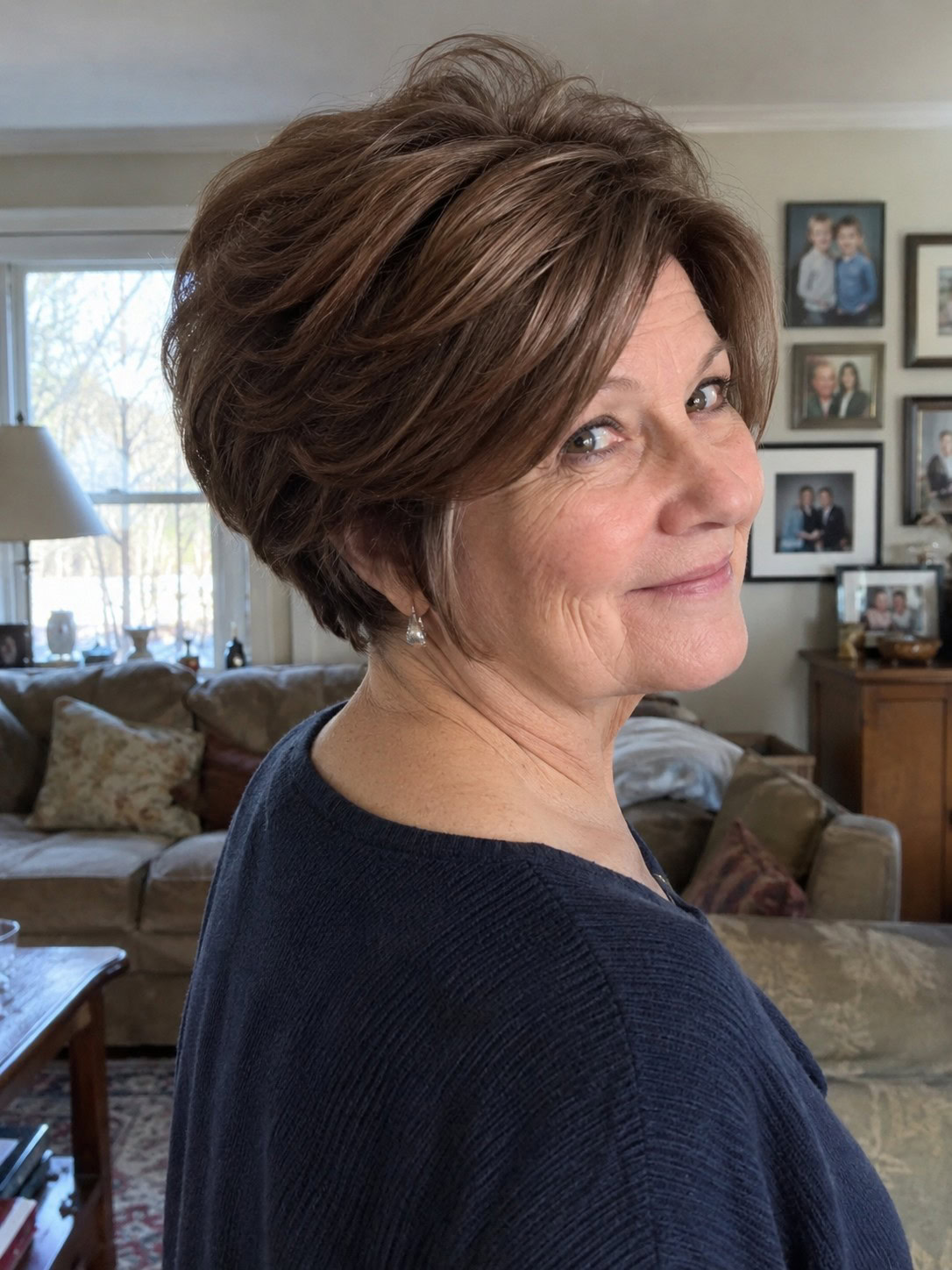
The asymmetrical bob became the defining bold cut of the 2010s and never fully left, despite trend cycles that pushed for symmetrical cuts. The cut works because it solves a real face-shape problem: pure symmetry can emphasize features that aren't naturally symmetrical (one cheekbone slightly higher, jaw slightly stronger on one side, eye slightly different), while asymmetric cuts intentionally play into the natural asymmetry every face has. The 22 asymmetrical bobs below cover length, angle intensity, and bang pairings. Each entry specifies how dramatic the angle reads and what side typically sits shorter. Pick based on how bold you want the asymmetry and what length suits your face shape.
Jump to:
- Classic Asymmetrical Bob
- Subtle Asymmetrical Bob
- Dramatic Asymmetrical Bob
- Jaw-Length Asymmetrical Bob
- Collarbone-Length Asymmetrical Bob
- Shoulder-Length Asymmetrical Bob
- Asymmetrical Bob with Curtain Bangs
- Asymmetrical Bob with Wispy Bangs
- Asymmetrical Bob with Blunt Bangs
- Asymmetrical Bob with Side-Swept Bangs
- Side-Parted Asymmetrical Bob
- Center-Parted Asymmetrical Bob
- Sleek Asymmetrical Bob
- Wavy Asymmetrical Bob
- Choppy Asymmetrical Bob
- Razored Asymmetrical Bob
- Asymmetrical Bob with A-Line Influence
- Asymmetrical Bob with Inverted Influence
- Asymmetrical Bob with Money Piece
- Asymmetrical Bob with Balayage
- Black Asymmetrical Bob
- Asymmetrical Bob with Highlighted Long Side
Classic Asymmetrical Bob
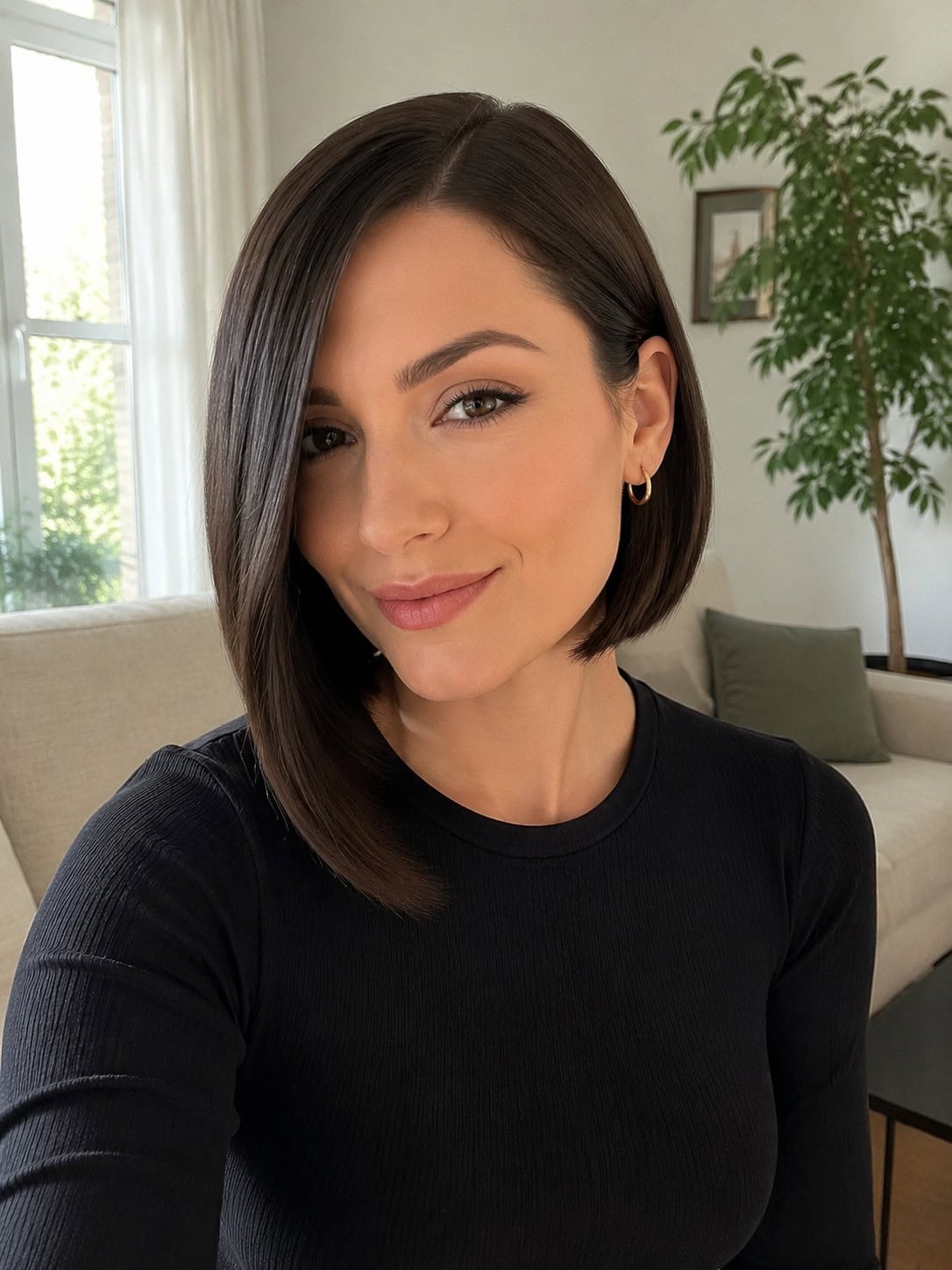
A chin-length asymmetrical bob with one side cut at the chin and the other side noticeably longer, sitting at the jaw or below. The angle creates moderate visible asymmetry. Style with a flat iron for crisp lines, working each side separately to maintain the cut's intended angle. Best on hair with minimal natural wave, since the look depends on the angle staying clearly visible. Maintenance every five to six weeks to keep the asymmetry defined.
Subtle Asymmetrical Bob
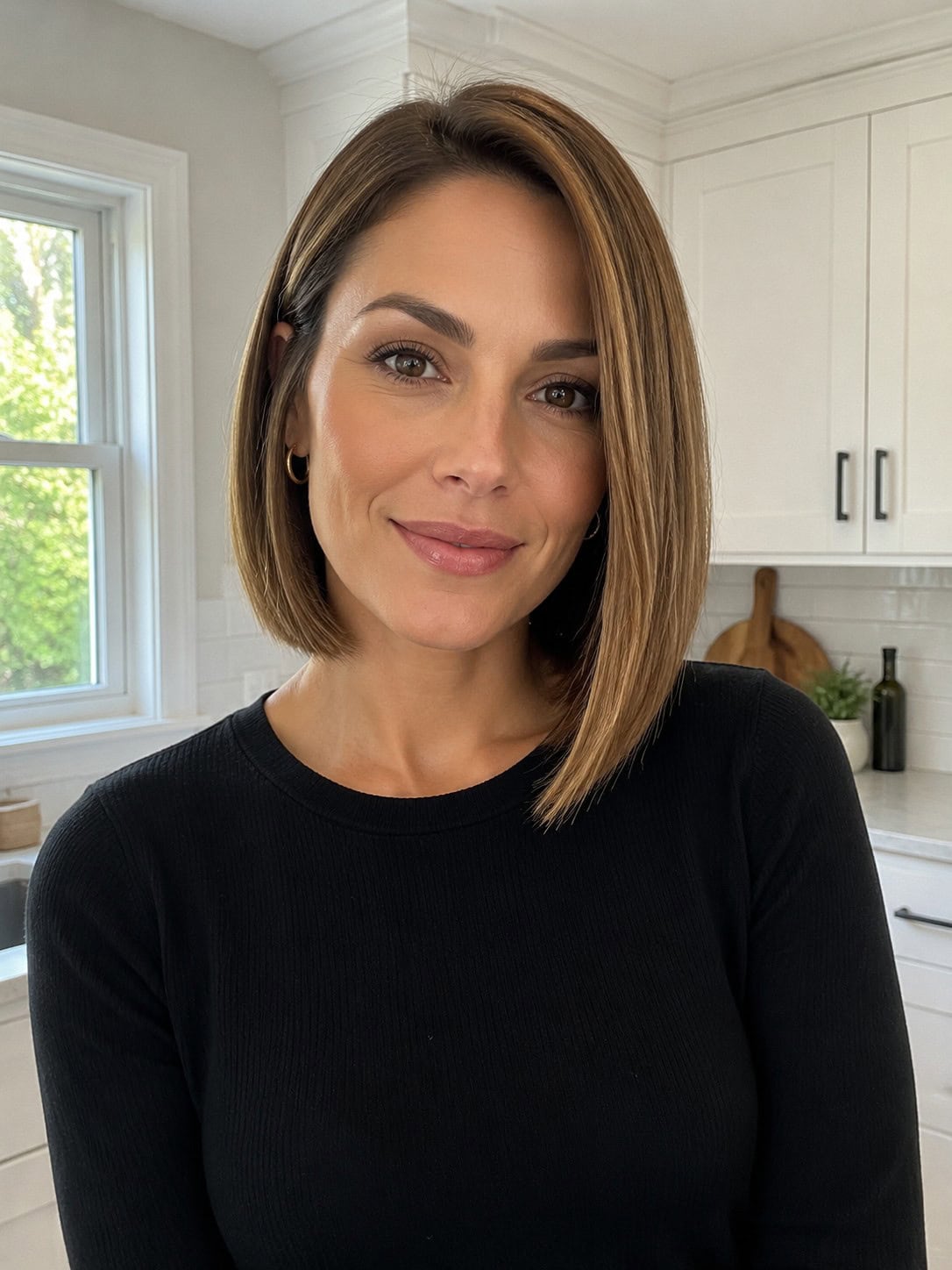
A chin-length asymmetrical bob with very gentle asymmetry between the two sides, where one side sits just half an inch to an inch longer than the other. The subtle interpretation provides directional movement without the bold visual statement of dramatic asymmetry. Best for women new to asymmetrical cuts or those who prefer minimal statement. Style with a flat iron and a smoothing serum. The subtle angle works particularly well for everyday wear and professional settings.
Dramatic Asymmetrical Bob

A chin-length asymmetrical bob with one side cut significantly shorter than the other, where the longer side extends to the collarbone or below while the shorter side sits at or above the chin. The dramatic version makes the asymmetry the cut's defining feature. Best on hair with no curl pattern, since heavy curl obscures the angle. Style with a flat iron and high-shine product. Pairs particularly well with bolder color choices.
Jaw-Length Asymmetrical Bob
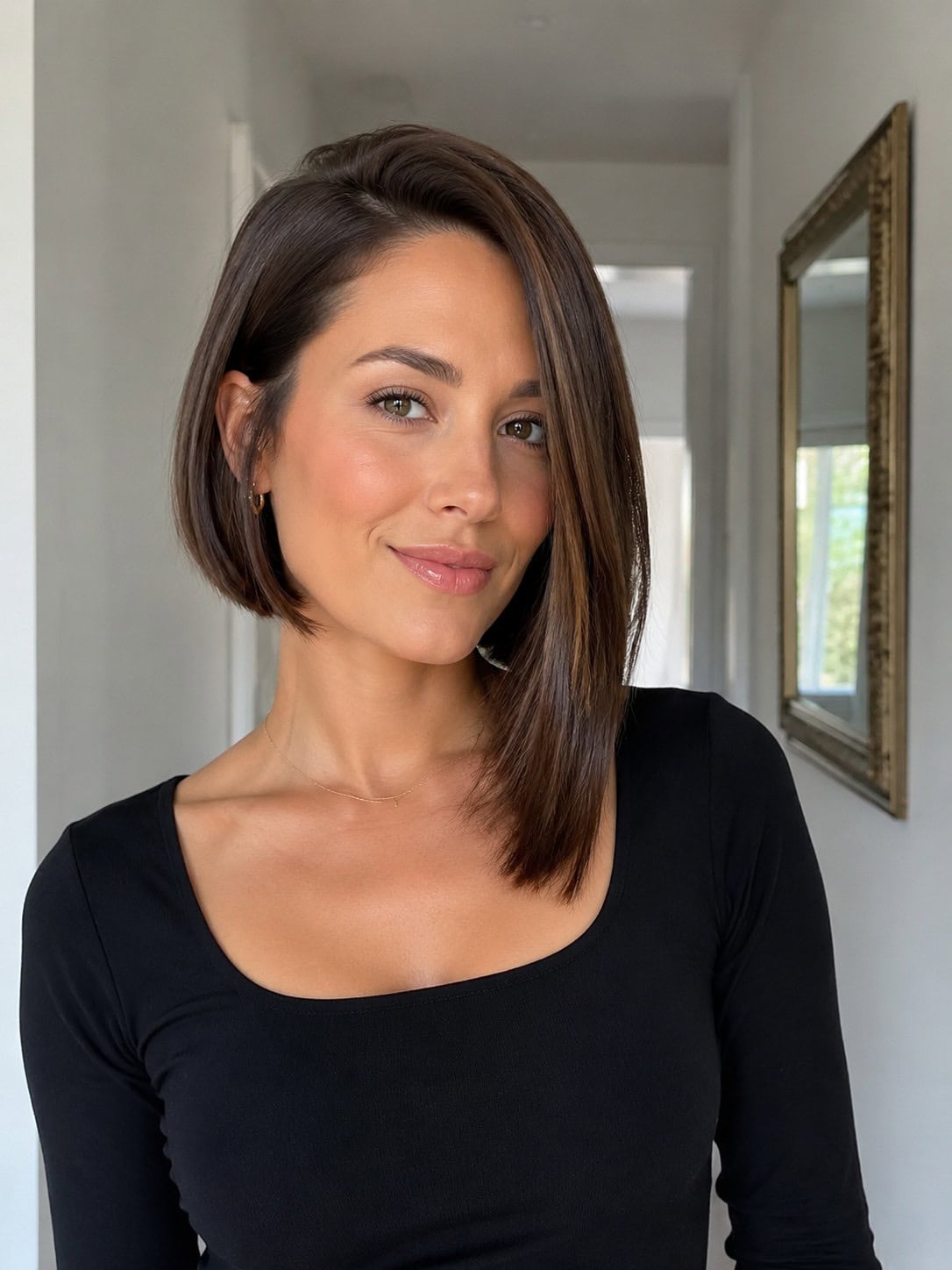
A jaw-length asymmetrical bob with one side cut at the jaw and the other side noticeably longer, sitting at the collarbone. The jaw length provides the bob silhouette while the asymmetry adds directional interest. Style with a flat iron for clean lines or a round brush for soft body at the ends. Best on straight or slightly wavy hair where the angle stays clearly visible. Pairs particularly well with rich brunette or chestnut color tones.
Collarbone-Length Asymmetrical Bob
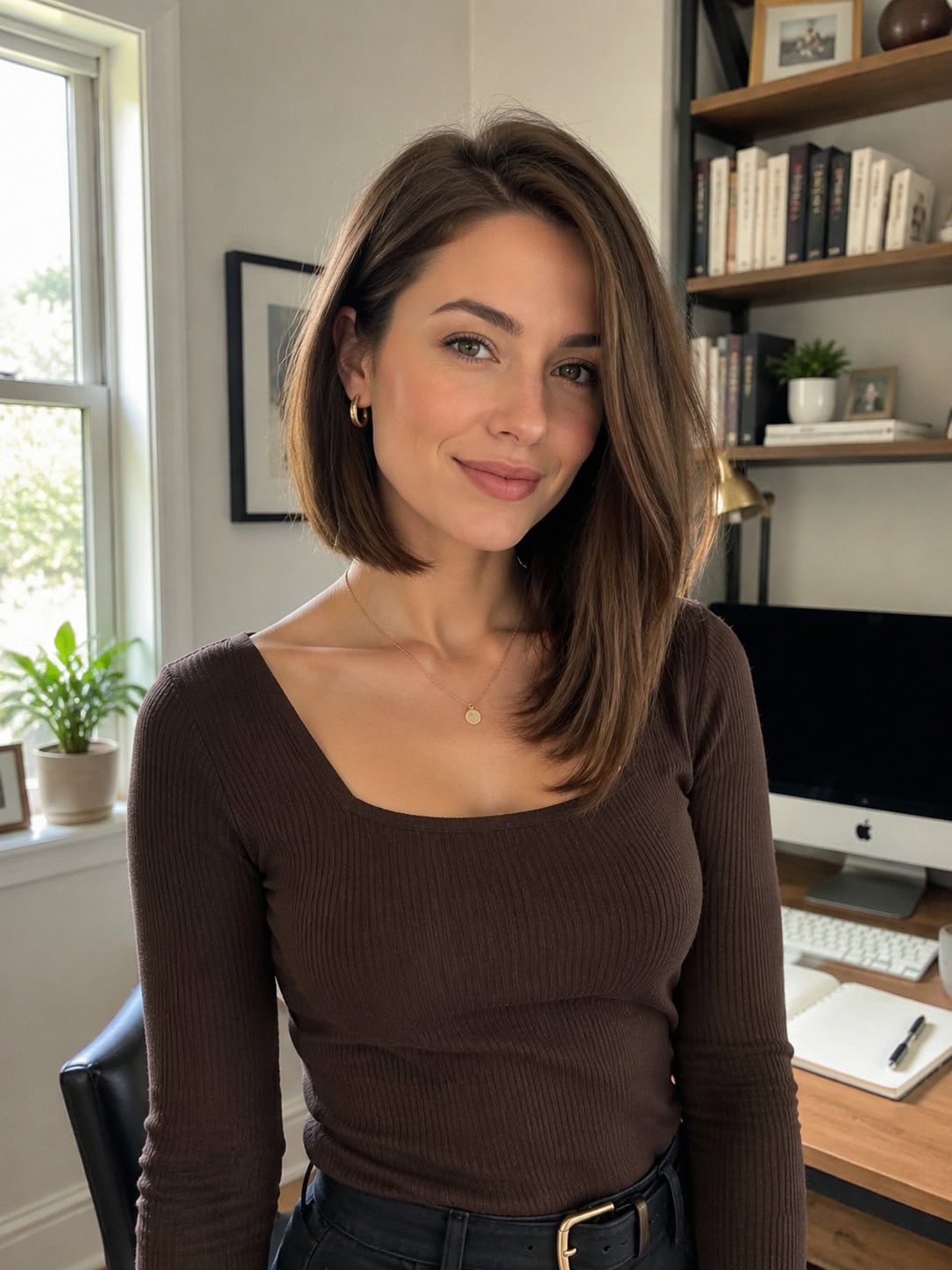
A collarbone-length asymmetrical bob with one side cut at the collarbone and the other side noticeably longer, sitting just past the shoulders. The medium length provides styling versatility while the asymmetry maintains visual interest. Style with a round brush throughout. Best on hair with healthy density to support the longer side without thinning visibly. The combination suits women who want the asymmetrical statement at a more versatile length than shorter bobs.
Shoulder-Length Asymmetrical Bob
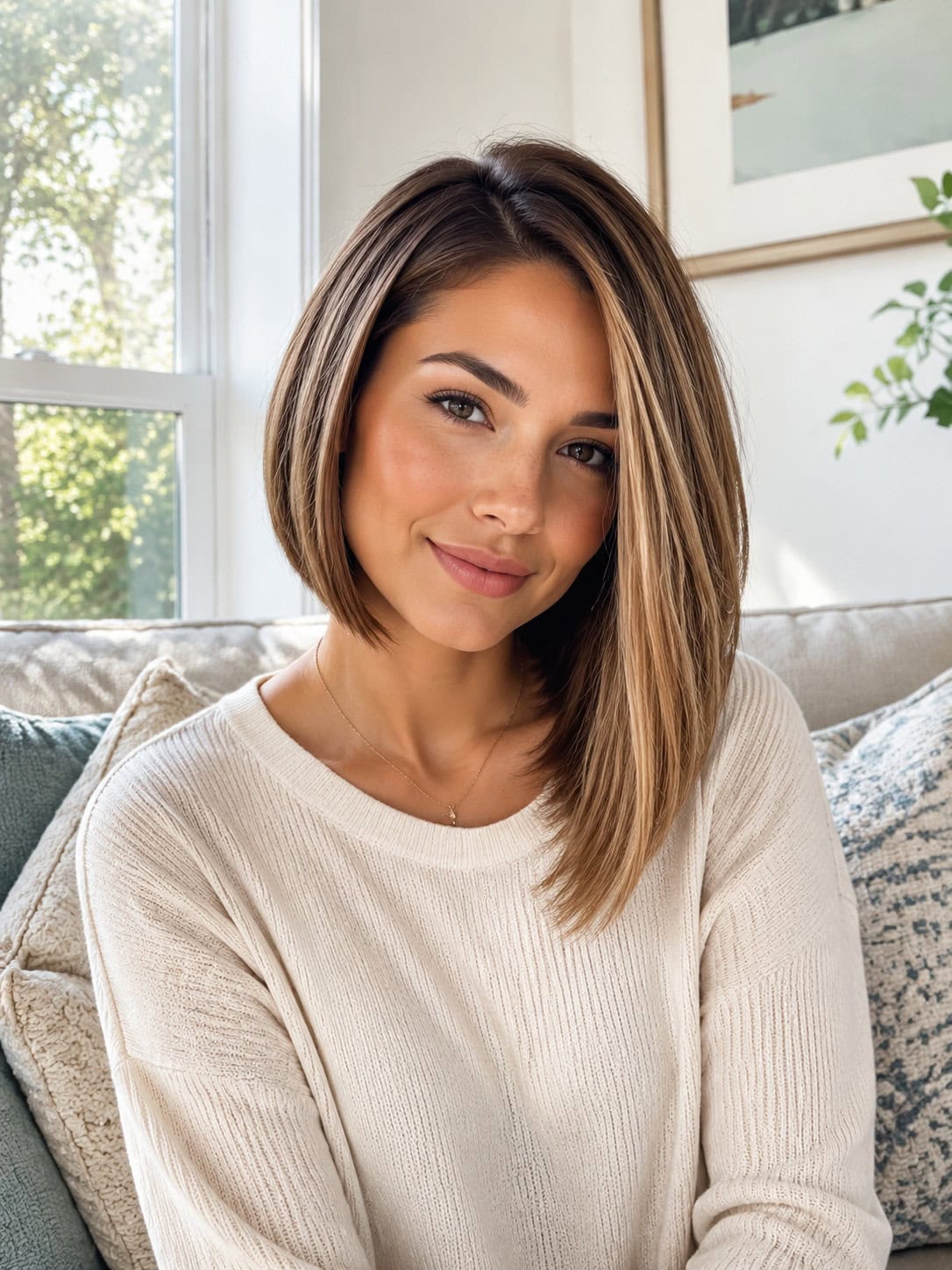
A shoulder-length asymmetrical bob with one side ending at the shoulders and the other side a few inches longer. The longer length provides the most styling versatility of asymmetrical bob variations while preserving the cut's directional character. Style with a round brush or flat iron depending on desired finish. Best for women who want asymmetry without committing to a shorter cut. Pairs particularly well with face-framing layers added separately.
Asymmetrical Bob with Curtain Bangs
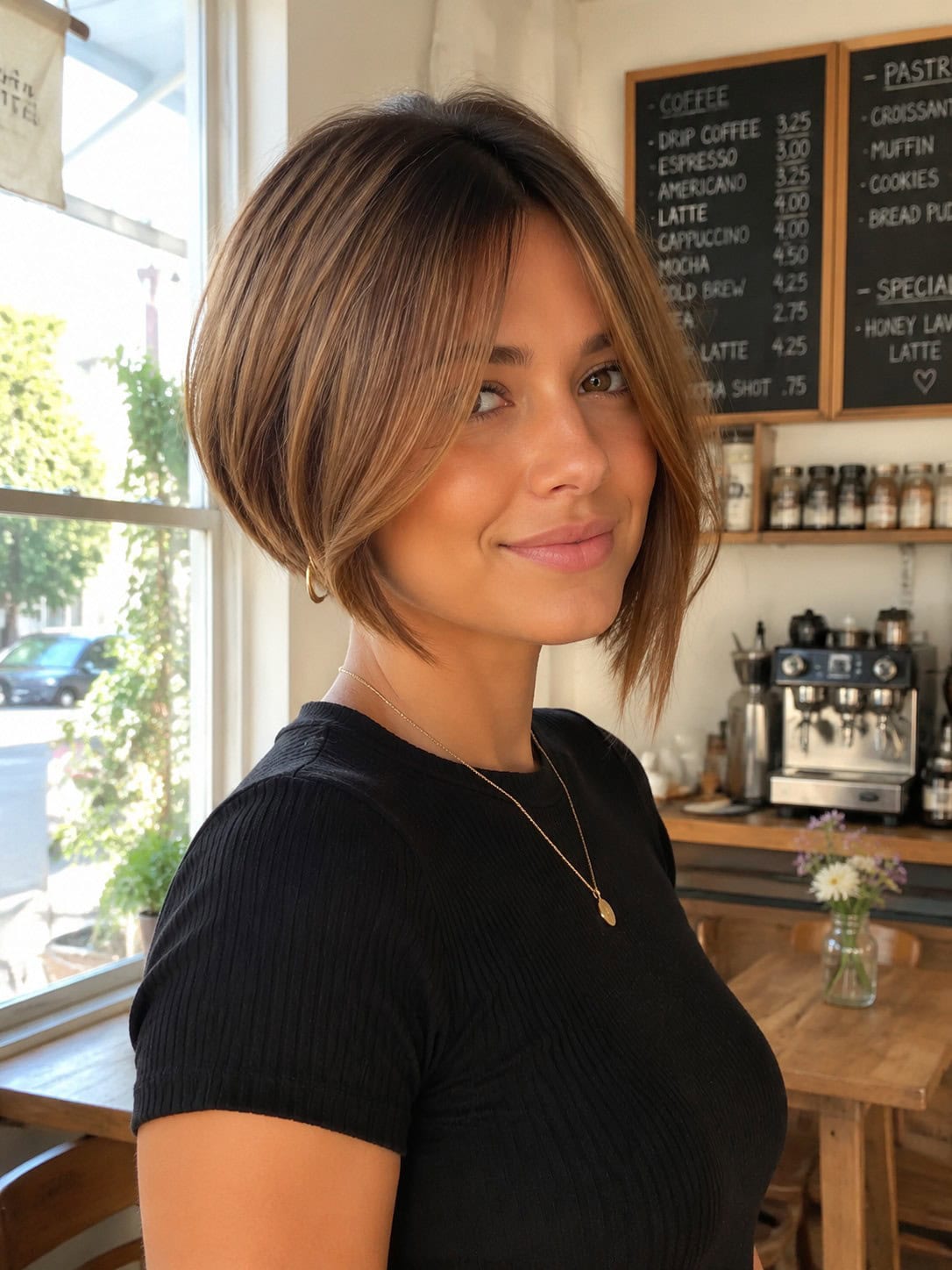
An asymmetrical bob paired with curtain bangs falling from cheekbone to jaw. The curtain bangs balance the cut's angular silhouette by adding face-framing softness. Style with a round brush throughout, directing the curtain bangs outward from a soft center part. The bangs blend into the cut as they grow, which makes maintenance manageable. Pairs particularly well with warm caramel or chestnut color tones that read across both lengths of the cut clearly.
Asymmetrical Bob with Wispy Bangs
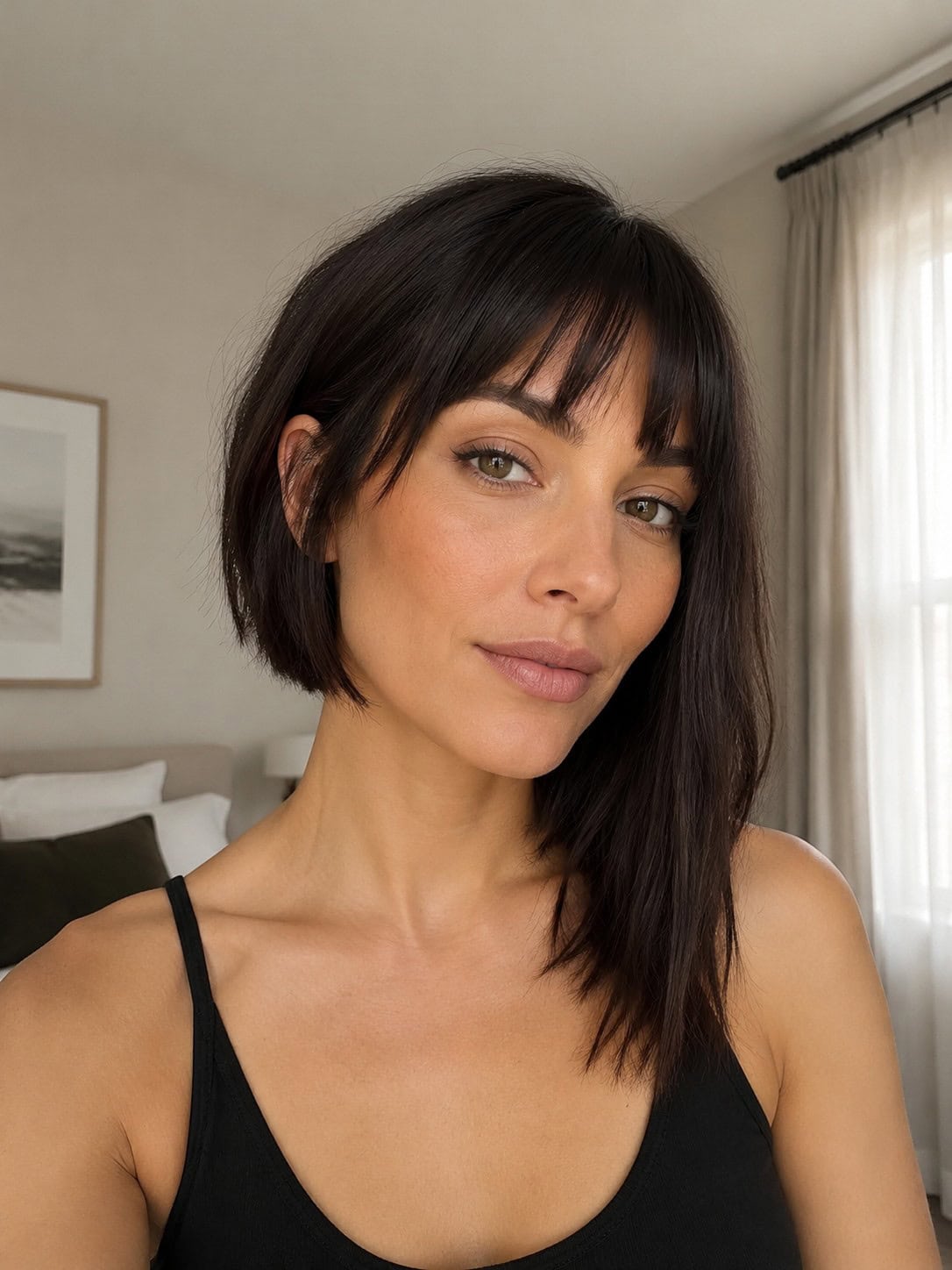
An asymmetrical bob paired with piecey separated wispy bangs at the brow. The wispy fringe softens the cut's graphic precision while preserving the defining angle. Style by blow-drying the bangs with fingers and breaking them apart with a small amount of texture cream. Best on hair with some natural body to support the wispy character of the fringe. Refresh every five to six weeks for the bangs.
Asymmetrical Bob with Blunt Bangs
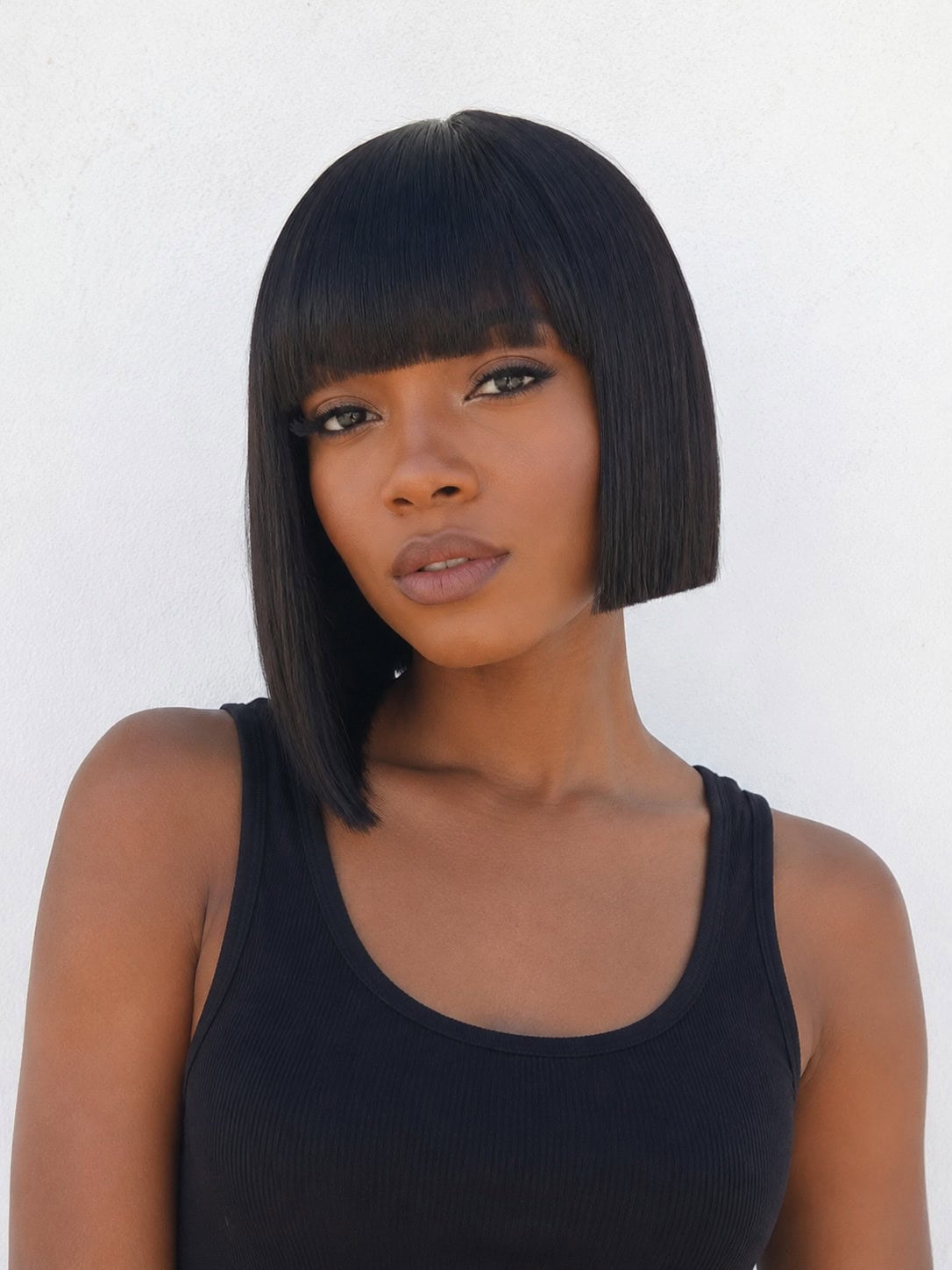
An asymmetrical bob paired with full blunt bangs cut straight across just above the brow. The combination creates a strong graphic shape with multiple structured elements: the asymmetric cut angle, the clean perimeter on each side, and the blunt bang line. Best on hair with minimal natural wave to support all three elements staying crisp. Maintenance runs every four to five weeks for the bangs. Pairs particularly well with deep single-process color tones.
Asymmetrical Bob with Side-Swept Bangs
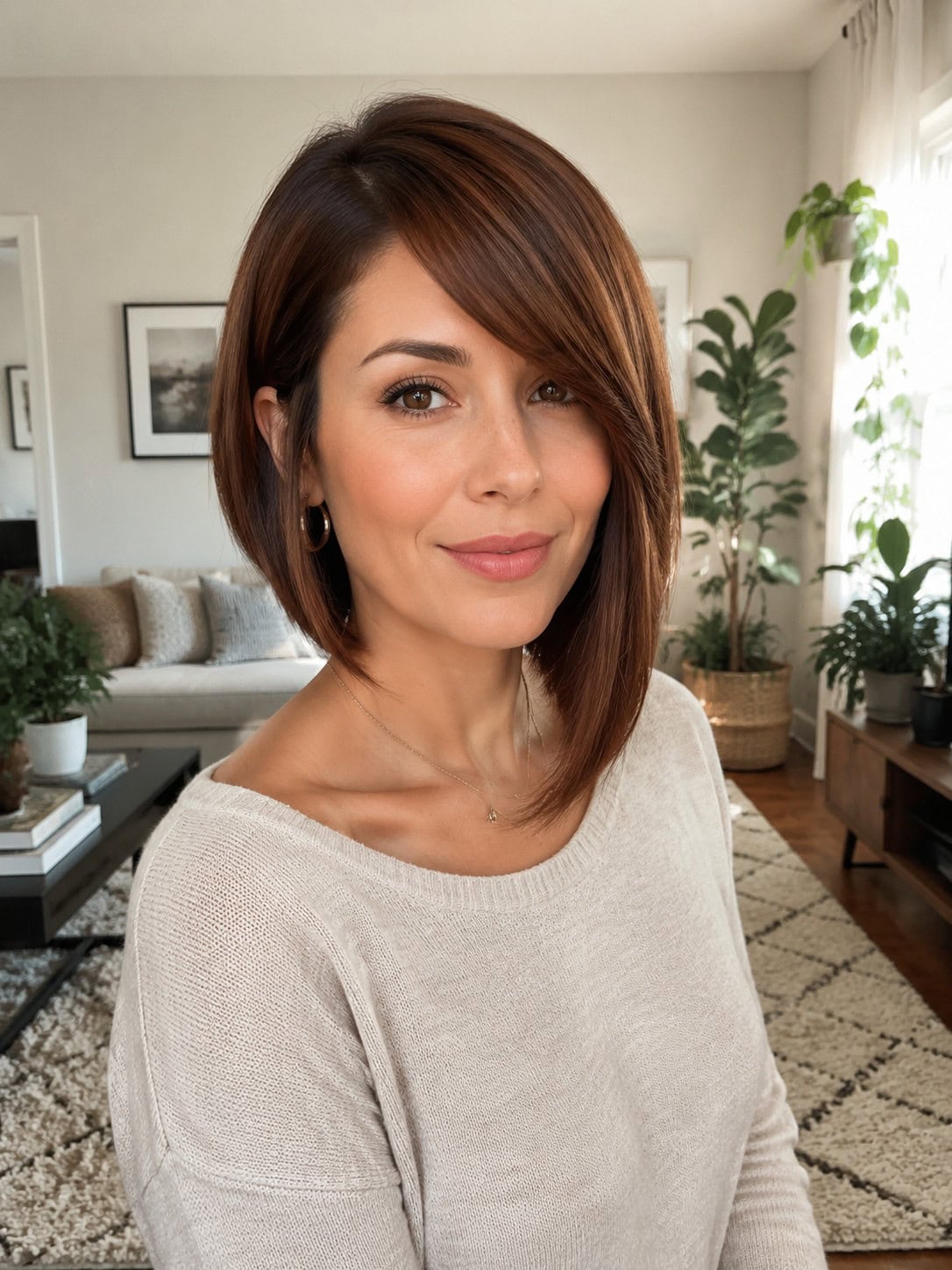
An asymmetrical bob paired with side-swept bangs sweeping diagonally across the forehead from a deep side part. The side sweep direction can either reinforce or counter the cut's asymmetry, depending on which way the bangs are trained. Train the bangs to sweep toward the longer side for the most cohesive interpretation. Best with rich brunette or chestnut color tones that read clearly across both sides.
Side-Parted Asymmetrical Bob
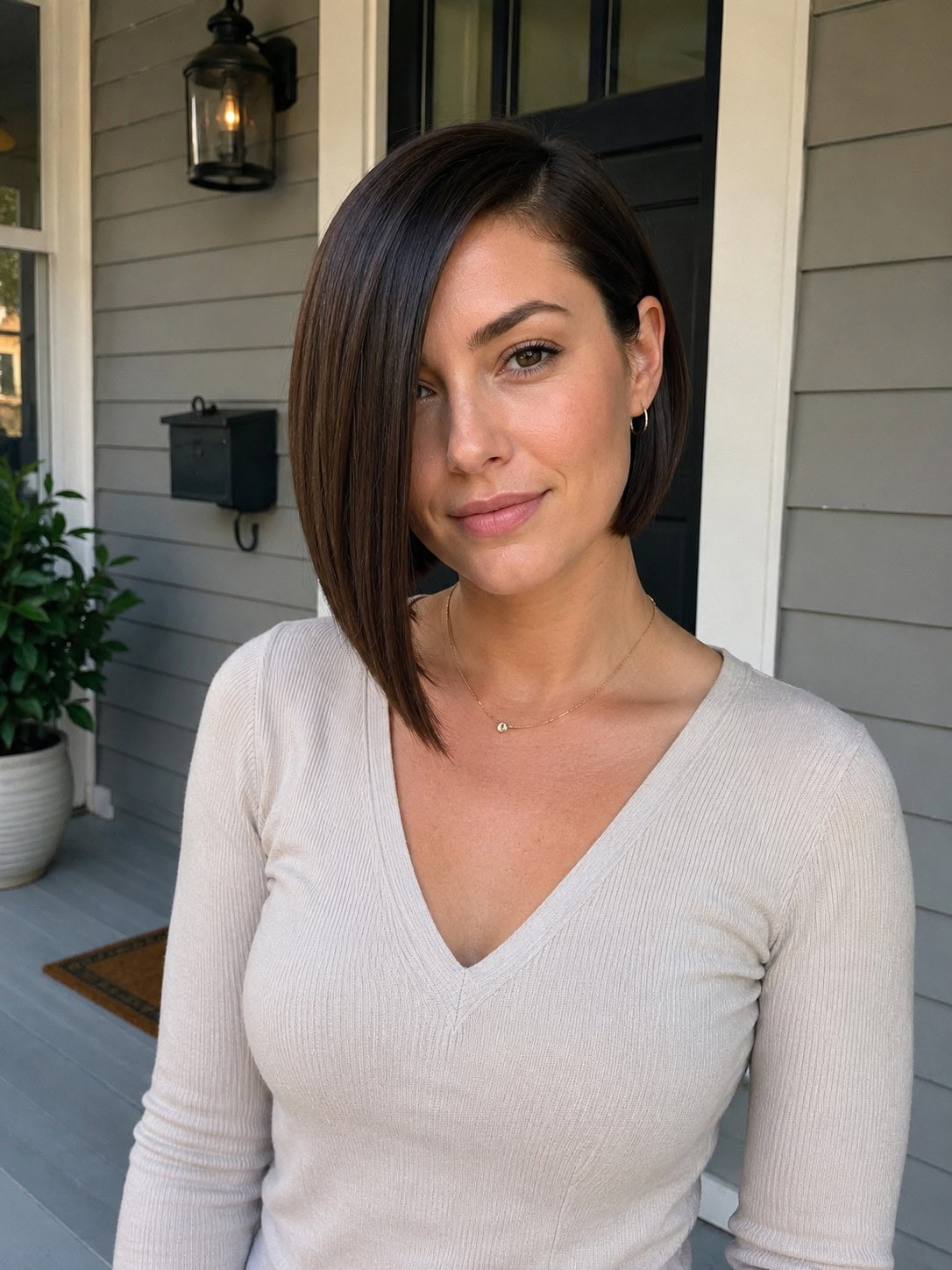
An asymmetrical bob styled with a deep side part that amplifies the asymmetric character of the cut. The deep side part can either reinforce the cut's angle or counter it, depending on which side of the head holds the heavier section. Train the part with a comb on damp hair and set with mousse at the root. The side-parted version provides the boldest interpretation of the asymmetrical bob.
Center-Parted Asymmetrical Bob
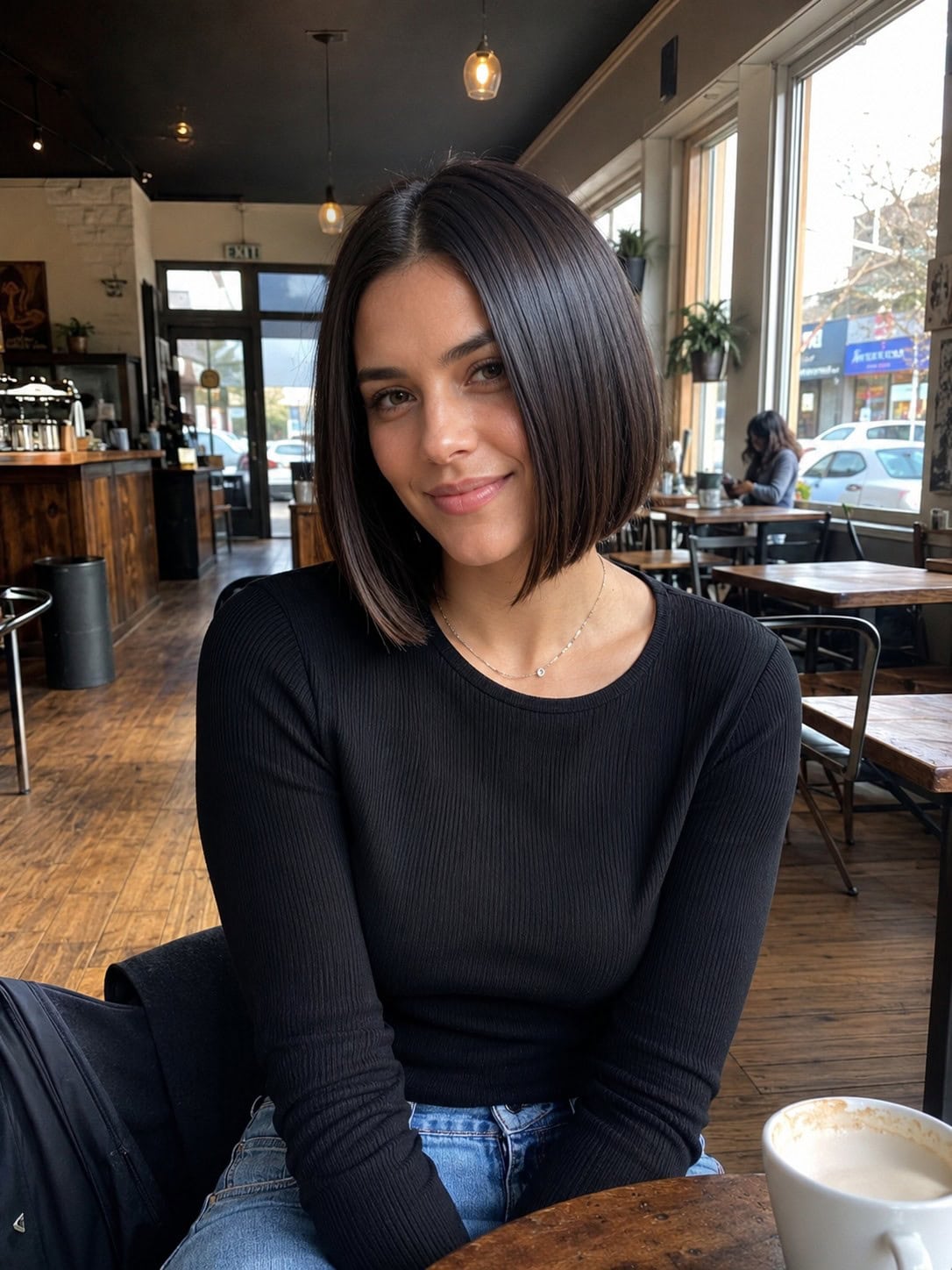
An asymmetrical bob styled with a clean center part, where the angle of the cut is showcased on both sides equally. The center part creates a balanced division that contrasts with the asymmetric perimeter, drawing attention to the cut's directional shape. Style with a smoothing serum and flat iron pass. Best on hair with healthy density. Pairs particularly well with single-process color where the consistent tone showcases the cut structure clearly.
Sleek Asymmetrical Bob
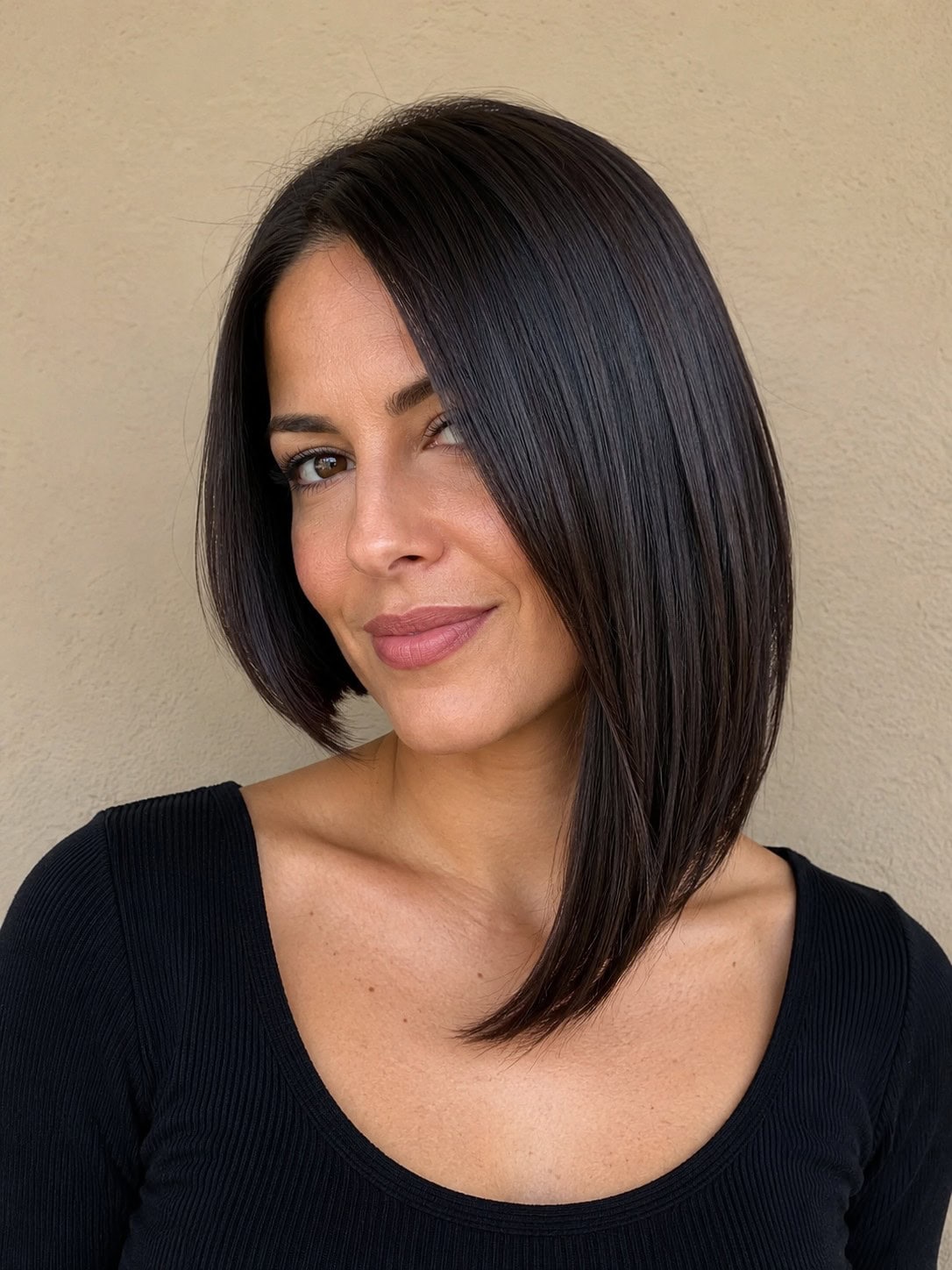
An asymmetrical bob styled with maximum smoothness and high-shine finish leans into precision and polish. The reflective surface maximizes light bouncing off both lengths of the cut, which makes the asymmetry visually striking. A glossing treatment, smoothing serum, and flat iron pass deliver the finish. Best on hair with minimal frizz potential. Pairs particularly well with single-process color in rich, deep tones that show off the polished finish.
Wavy Asymmetrical Bob
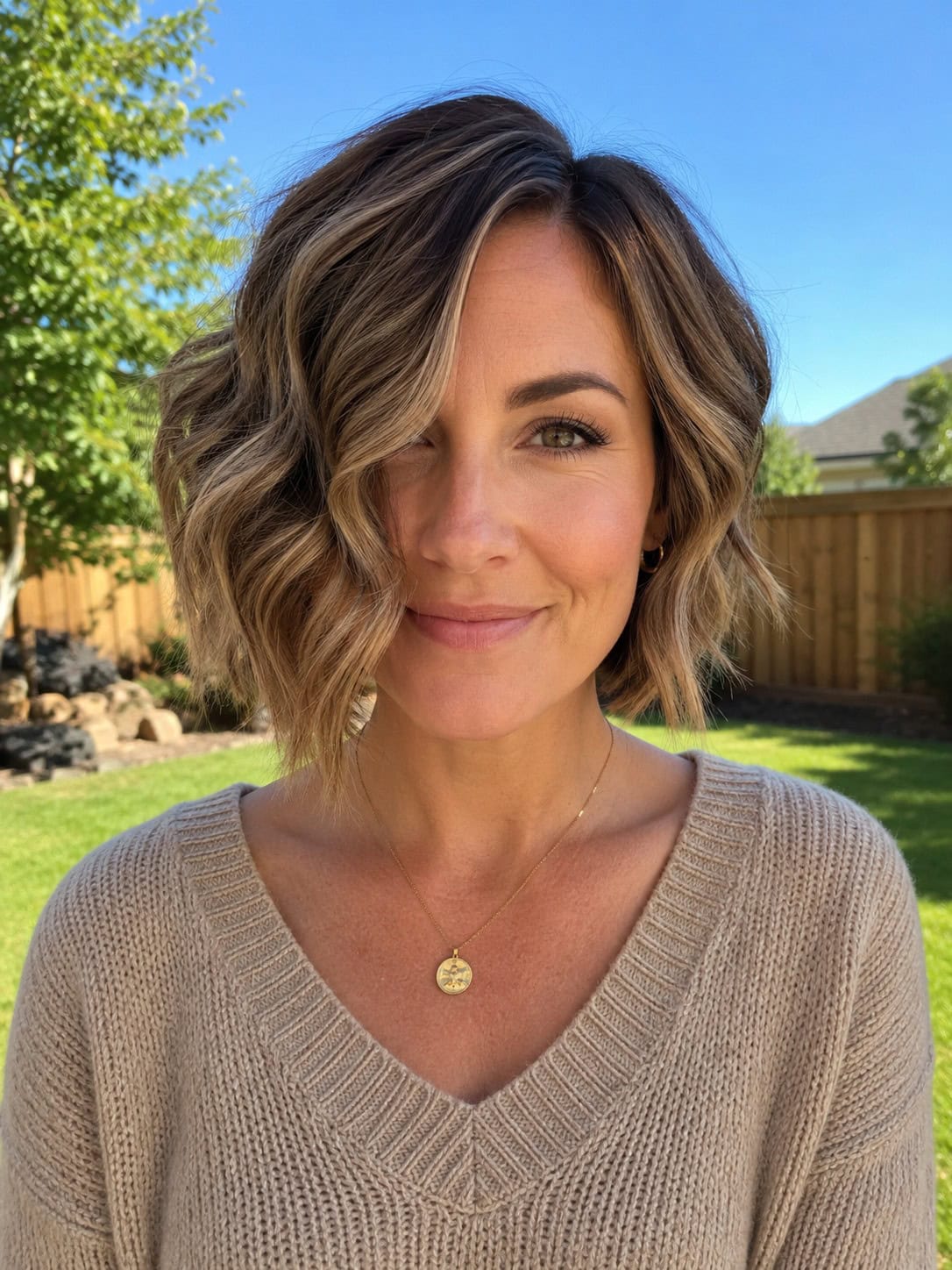
An asymmetrical bob styled with soft S-waves through the mid-lengths softens the cut while preserving the angle. The waves add movement to the graphic structure. Use a one-and-a-quarter inch wand, alternating direction by section. Skip the section closest to the face for a modern finish. Best on hair with some natural body or willingness to hold curl from the styling tool. The wavy version makes the asymmetry feel less severe.
Choppy Asymmetrical Bob
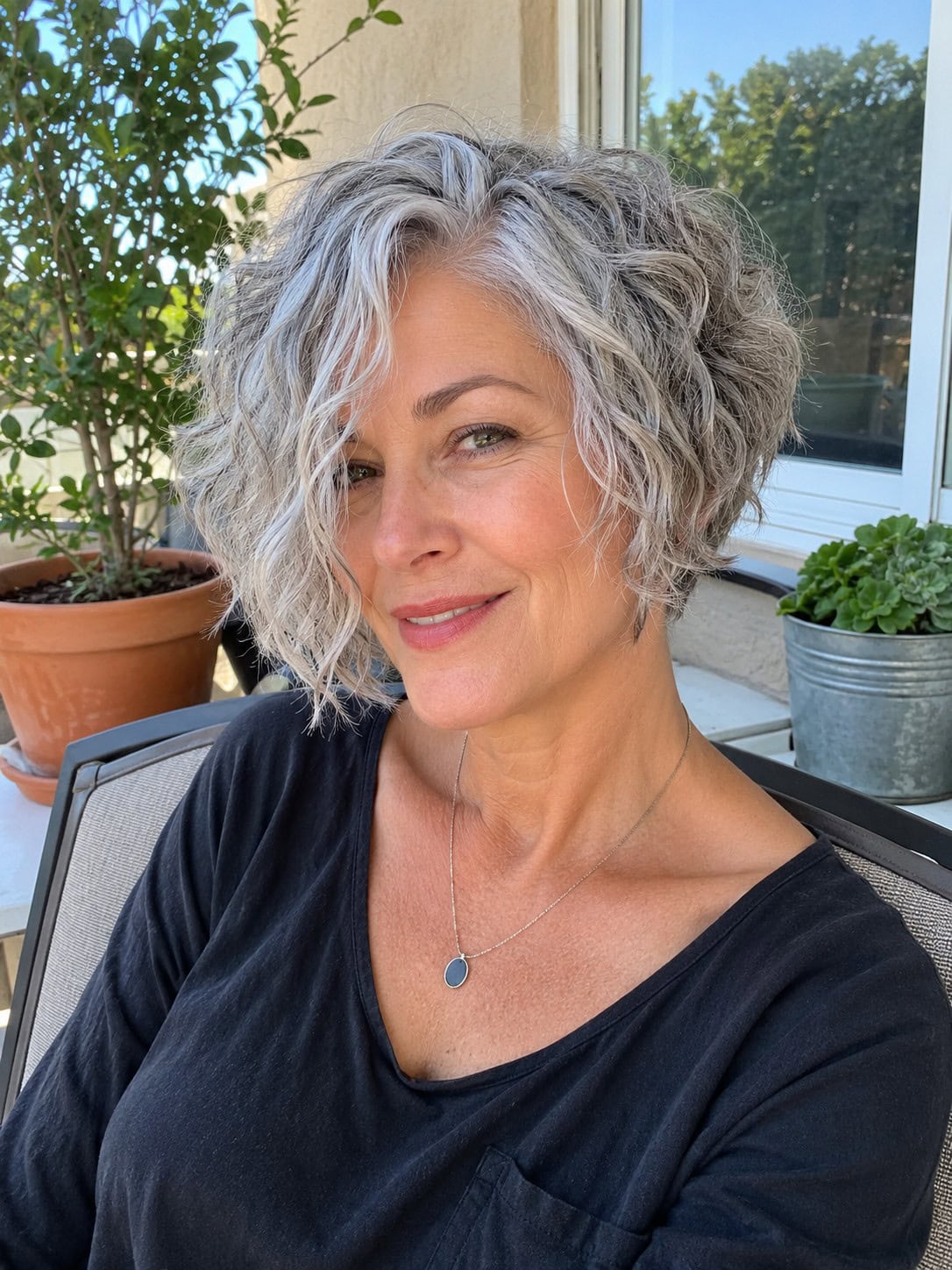
An asymmetrical bob with visibly choppy ends from slide-cutting and point-cutting throughout. The choppy treatment adds character and intentional texture to the angular cut. Air-dry with a curl cream for natural lived-in shape. The finish softens the precision of the asymmetry while preserving the directional shape. Best executed by stylists experienced with textural cutting techniques. Pairs particularly well with gray or silver hair where uneven texture catches light differently.
Razored Asymmetrical Bob
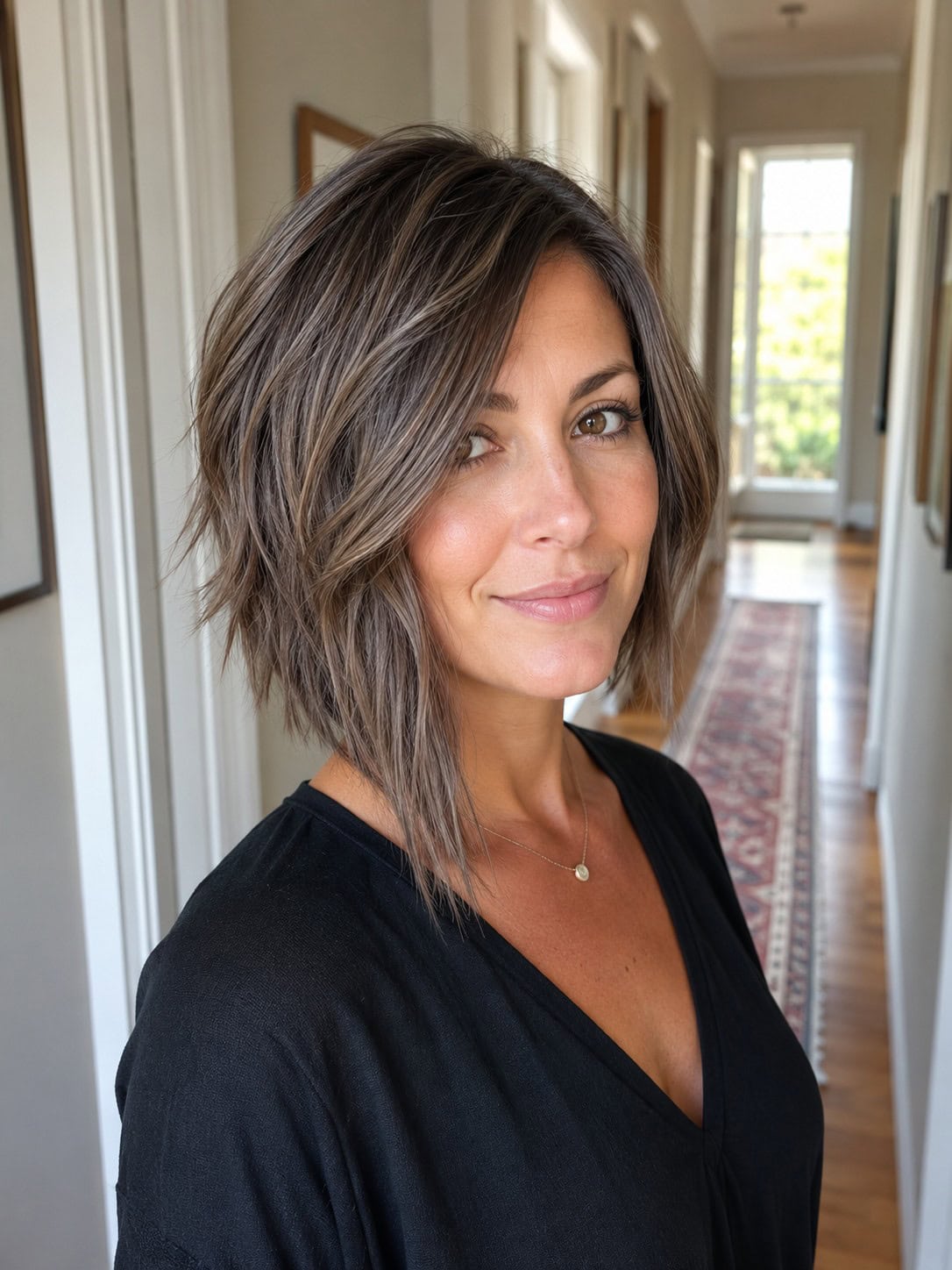
An asymmetrical bob with razor cutting through the ends, creating softer feathered perimeter on each side rather than hard blunt lines. The technique softens the cut's angular precision while preserving the directional shape. Best on medium to thick hair that holds razor work cleanly. Fine hair can look stringy with too much razor work. Style with fingers and a small amount of texture cream through the razored sections.
Asymmetrical Bob with A-Line Influence
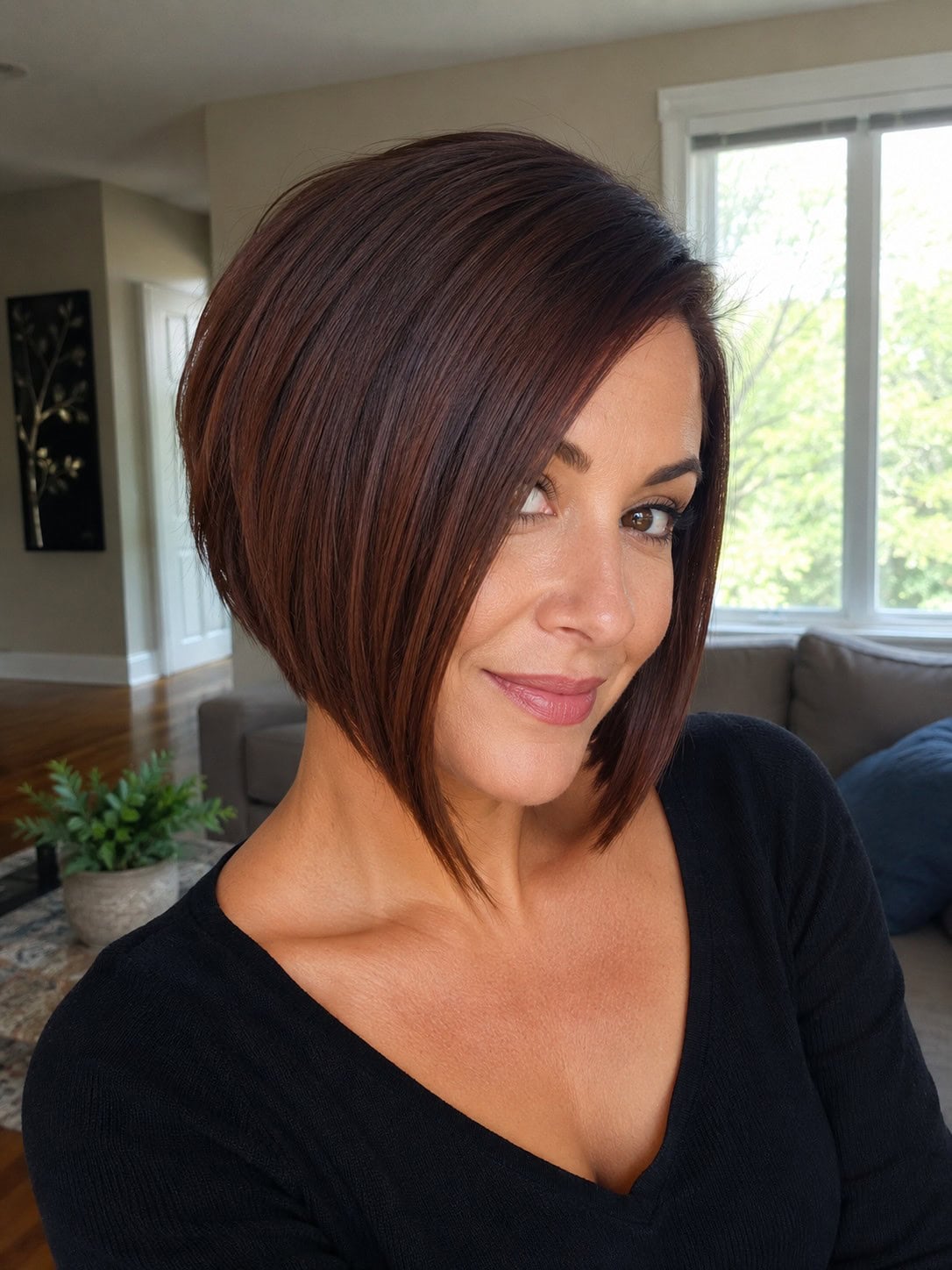
An asymmetrical bob with A-line graduation, where the cut is both shorter in the back than the front AND one side is shorter than the other. The combination creates a complex directional shape with both front-to-back and side-to-side angles. Best on hair with some density to support both graduation patterns. Style with a flat iron to maintain the multiple angles clearly. Maintenance every five to six weeks.
Asymmetrical Bob with Inverted Influence
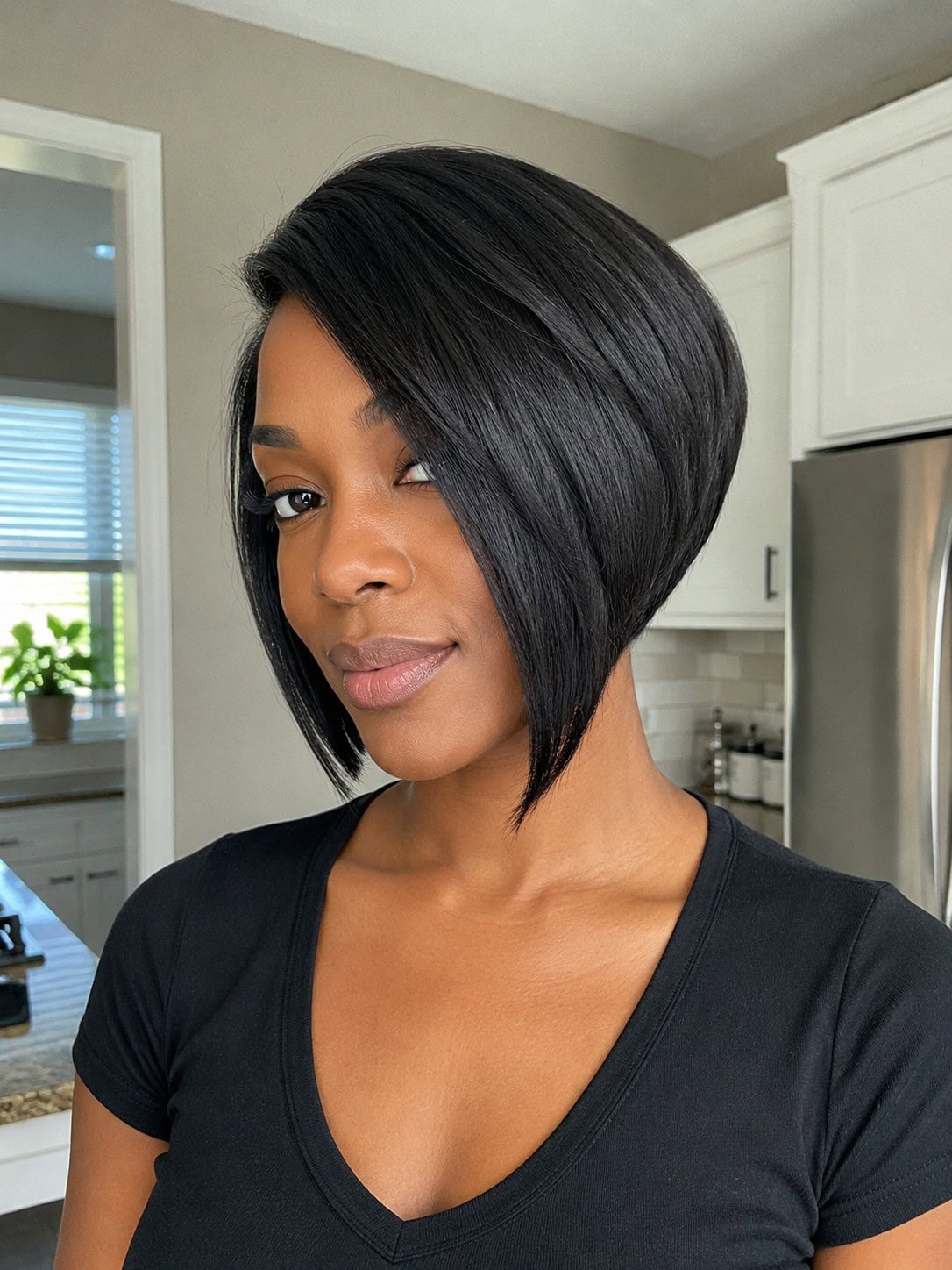
An asymmetrical bob with inverted graduation at the back, where the cut combines stacked back graduation with asymmetric side lengths. The combination provides volume at the back through the inverted shape while adding directional interest through the asymmetry. Best on hair with density that supports both elements. Style with a round brush on the back to set the inverted shape, then maintain the side asymmetry through cutting precision rather than styling.
Asymmetrical Bob with Money Piece
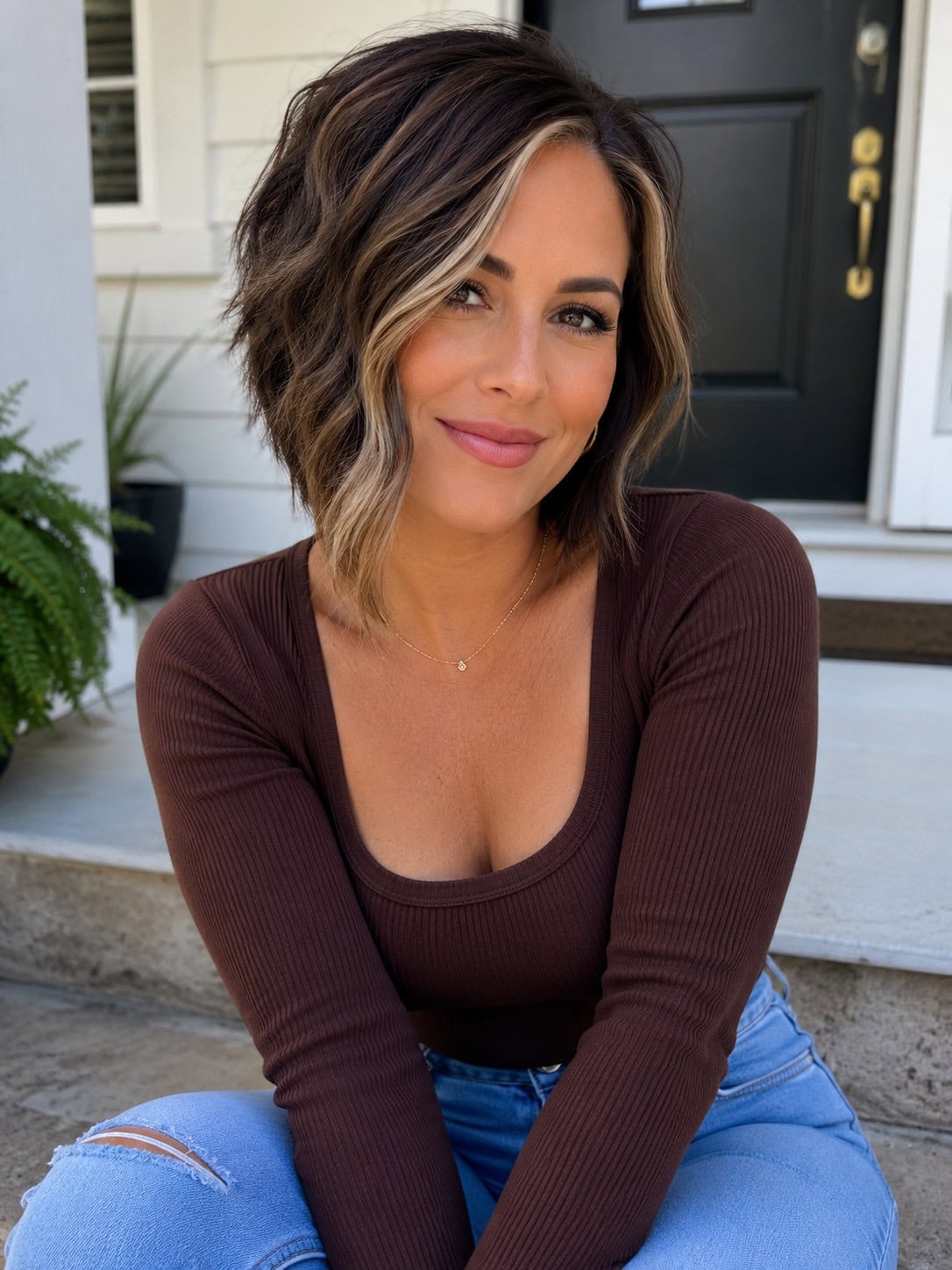
An asymmetrical bob paired with money piece highlighting where lightened panels frame the face from the part to the chin. The money piece amplifies the asymmetry because the lightened pieces appear at different points on each side of the cut due to the angle difference. Refresh every twelve to sixteen weeks. Pairs particularly well with deep brunette or rich espresso base shades for maximum contrast between the panels and the base color.
Asymmetrical Bob with Balayage
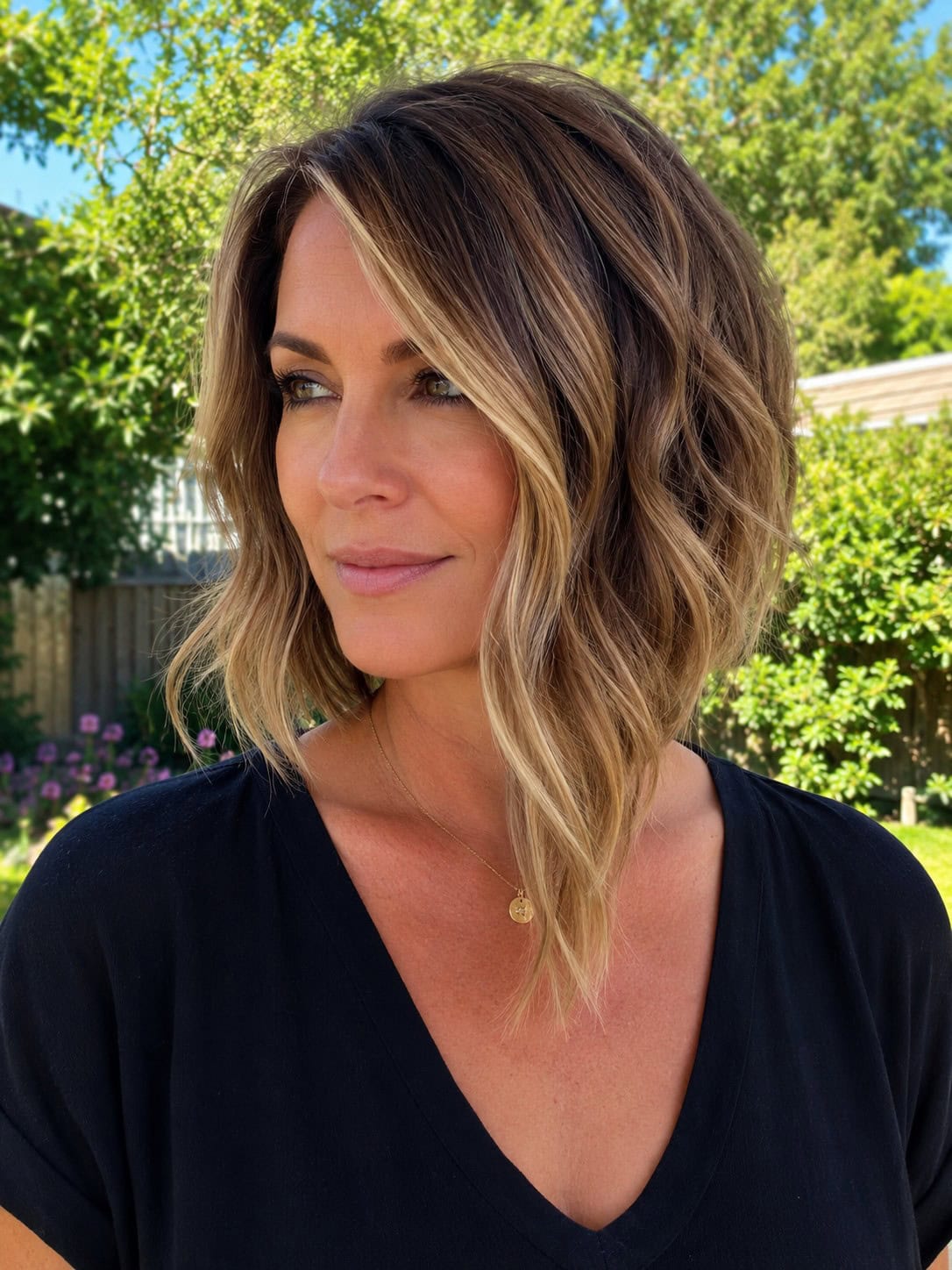
An asymmetrical bob paired with hand-painted highlights through the mid-lengths and ends. The painted dimension showcases differently on each side of the cut because the angle exposes the highlights from different angles. Stylists tend to place the lightest pieces around the face and slightly heavier through the bottom half. The dimensional color contrasts beautifully with the cut structure on each side at different lengths.
Black Asymmetrical Bob
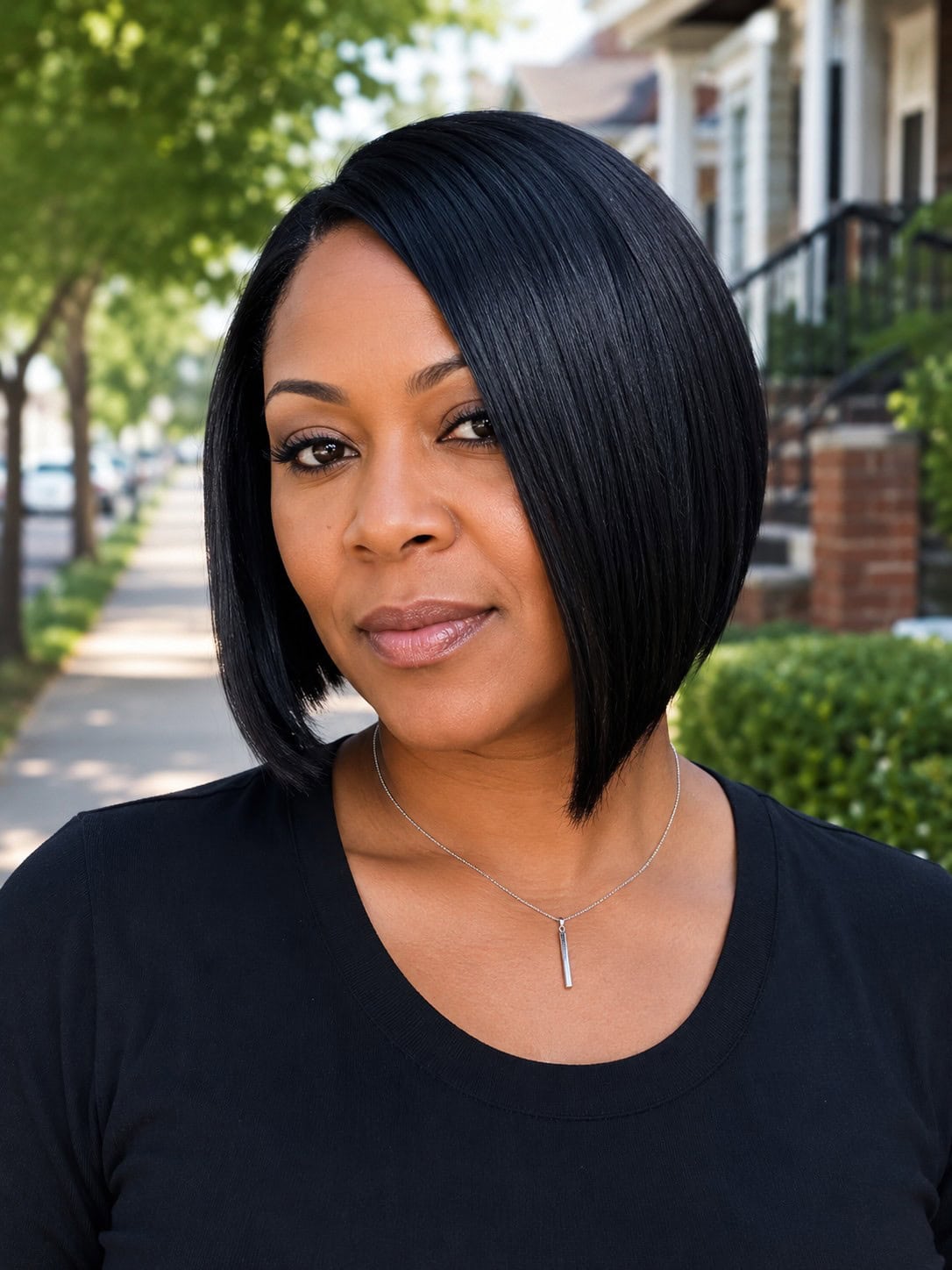
An asymmetrical bob in single-process jet black color leans into maximum saturation as the cut's defining feature. The deep black against the asymmetric perimeter creates the boldest, most graphic version possible. Style with a glossing treatment for additional shine. The combination of jet black color and asymmetric structure creates particularly striking visual impact. Pairs beautifully with bold lip colors and dramatic eye makeup choices for a complete statement look.
Asymmetrical Bob with Highlighted Long Side
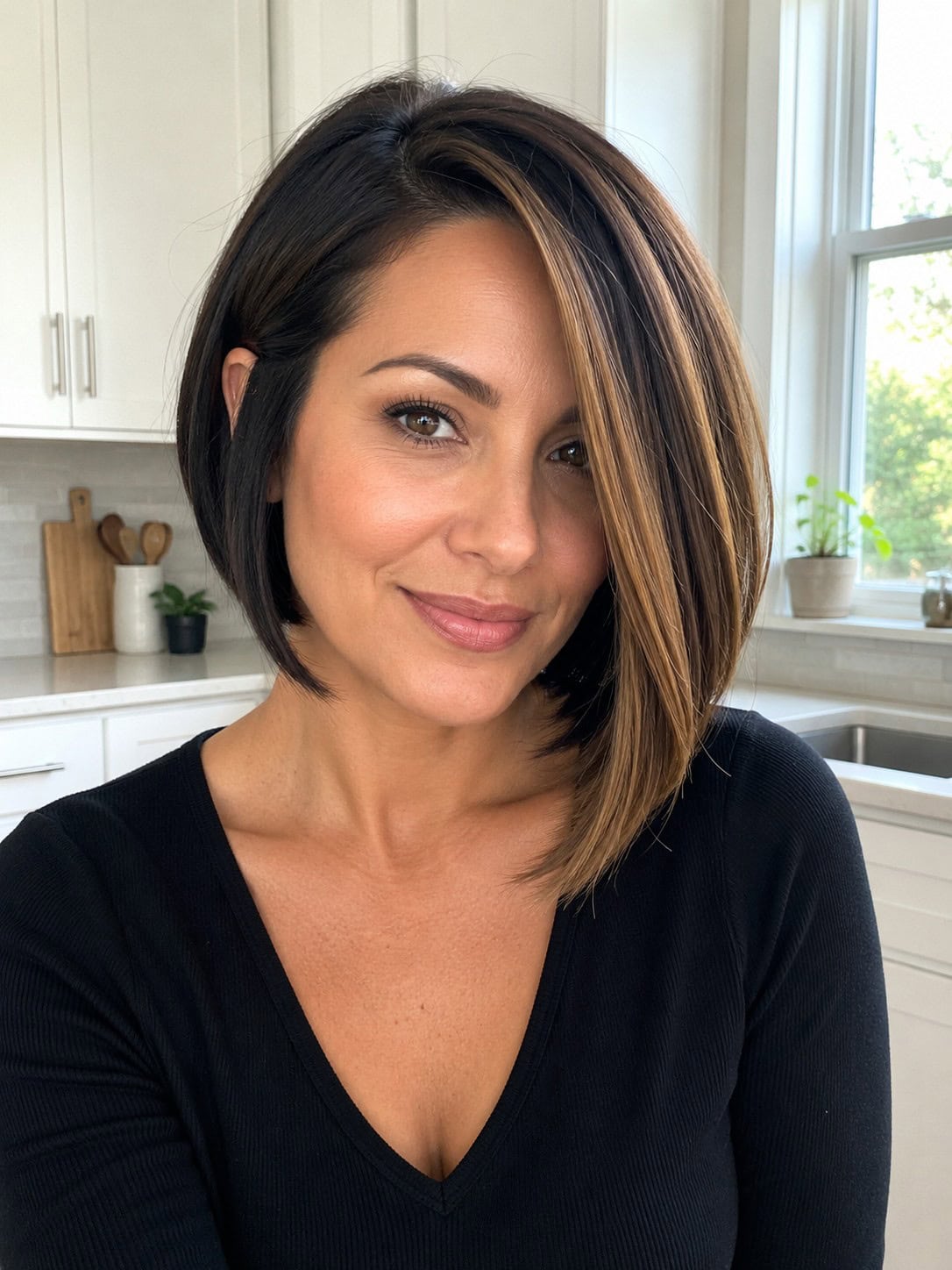
An asymmetrical bob with strategic highlighting placed only on the longer side of the cut, creating dimensional brightness that amplifies the asymmetric shape. The single-side highlighting draws attention to the longer side specifically. The shorter side stays single-process for cleaner contrast. Refresh the highlights every twelve to fourteen weeks. Pairs particularly well with deep brunette or rich espresso base shades for maximum side-to-side contrast.