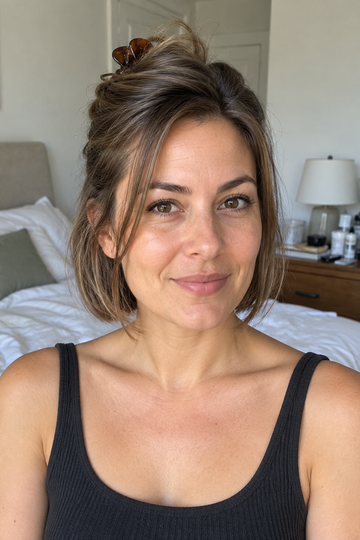
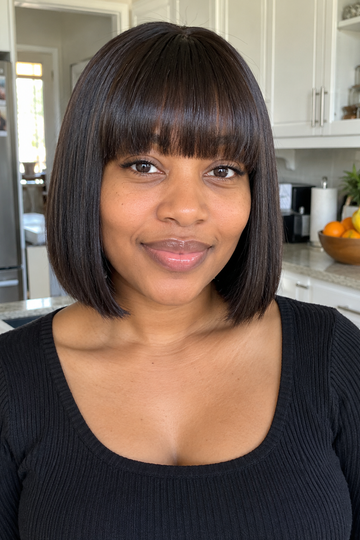
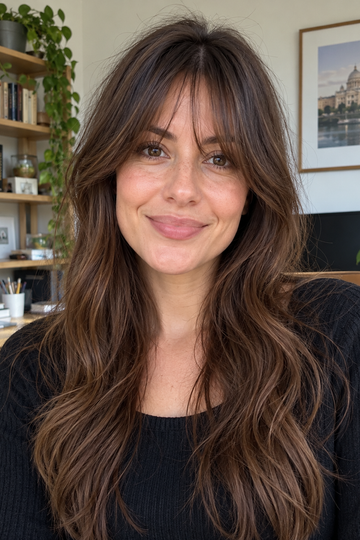
The instinct with thin hair is to pile on layers for volume, and that instinct is usually wrong. Layers remove weight, and thin hair needs weight, that solid blunt edge along the bottom is what keeps the ends from looking see-through. The cuts that actually make fine hair look fuller do the opposite of what you would expect. They keep things shorter, keep the perimeter heavy, and build lift at the root rather than movement at the tips. Here are the ones worth asking for, along with a few honest notes on what to skip.
Jump to:
Blunt Bob

The blunt bob is the gold standard for a reason. Cutting every strand to one clean length concentrates all your hair along a single heavy edge, which looks dramatically fuller than tapered or layered ends ever could. Jaw or chin length keeps the weight where it can lift, since longer lengths just drag fine hair flat. Ask for a sharp, one-length perimeter and resist the urge to thin it out. The bluntness is doing all the work.
Box Bob
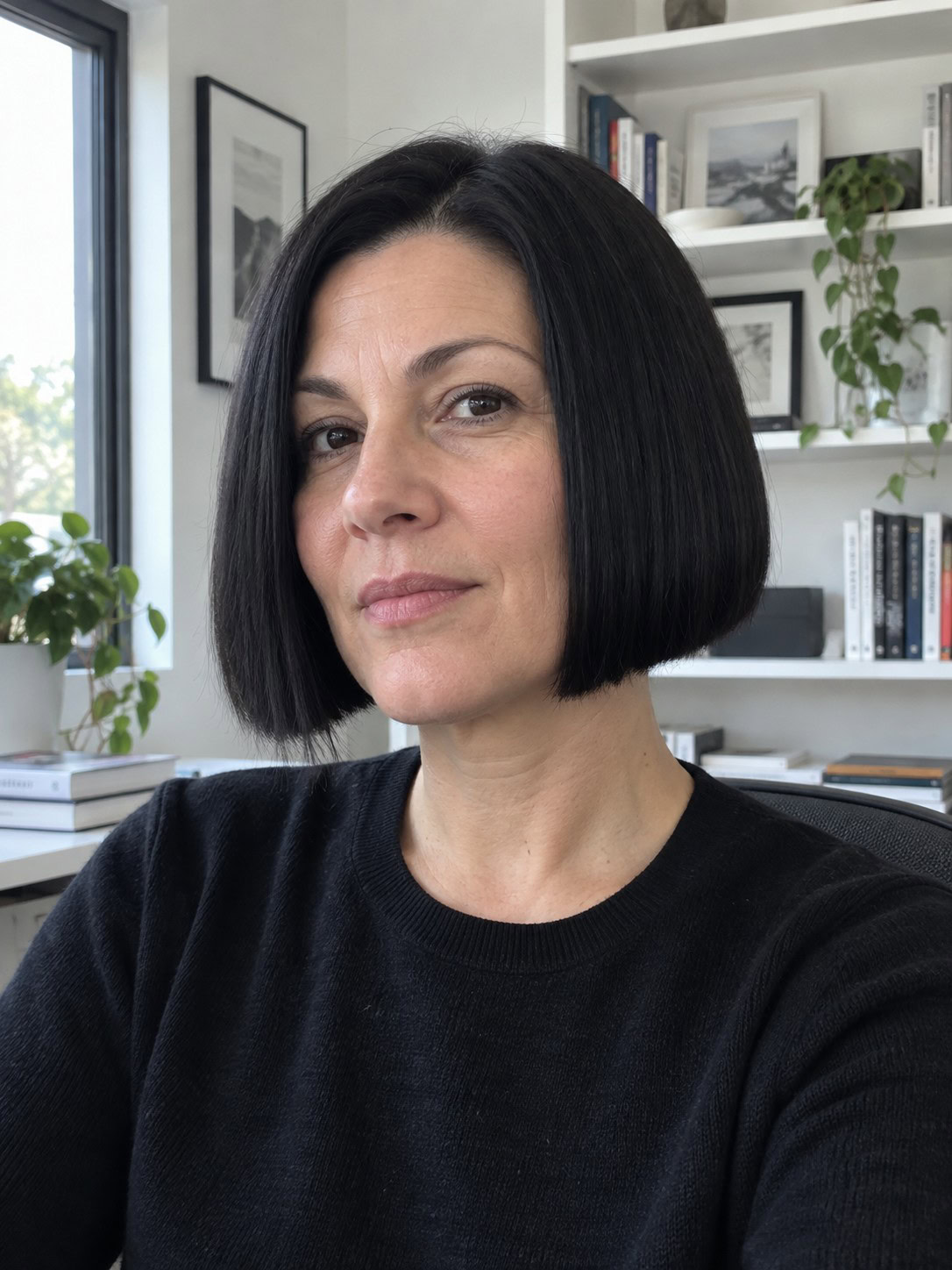
The box bob is the sharper, more graphic cousin of the classic blunt bob, and it is one of the biggest cuts of the year. It squares off the shape into clean, almost architectural lines, with a heavy blunt edge all the way around. That density at the perimeter is exactly what thin hair needs. It works best pin-straight, so it suits anyone with fine, straight hair who wants a strong, structured look with real presence.
French Bob

A French bob sits shorter, usually right at the chin, and comes with a soft fringe as part of the deal. The short length keeps fine hair from falling limp, and the little fringe adds the appearance of density right at the front where you notice it most. It is a low-effort, lived-in kind of cut that grows out nicely. Keep the fringe soft rather than heavy, since a thick blunt fringe can look sparse on thin hair.
A-Line Bob

An A-line bob angles the cut so the front pieces sit longer than the back, creating a soft slope. That diagonal line draws the eye across your head rather than straight down, which tricks it into seeing more density than is really there. The longer front frames your face and sits fuller around the cheekbones. It suits straight and lightly wavy fine hair, and the angle keeps the shape sharp even as it starts to grow out.
Stacked Bob

A stacked bob is built specifically for hair that falls flat at the back. The layers at the nape are cut short and graduated so they stack on top of one another, building a rounded mound of volume at the crown and back of the head. It is one of the few times layering genuinely helps thin hair, because the stacking adds height rather than removing weight. A round-brush blow-dry brings the shape to life in a couple of minutes.
Inverted Bob
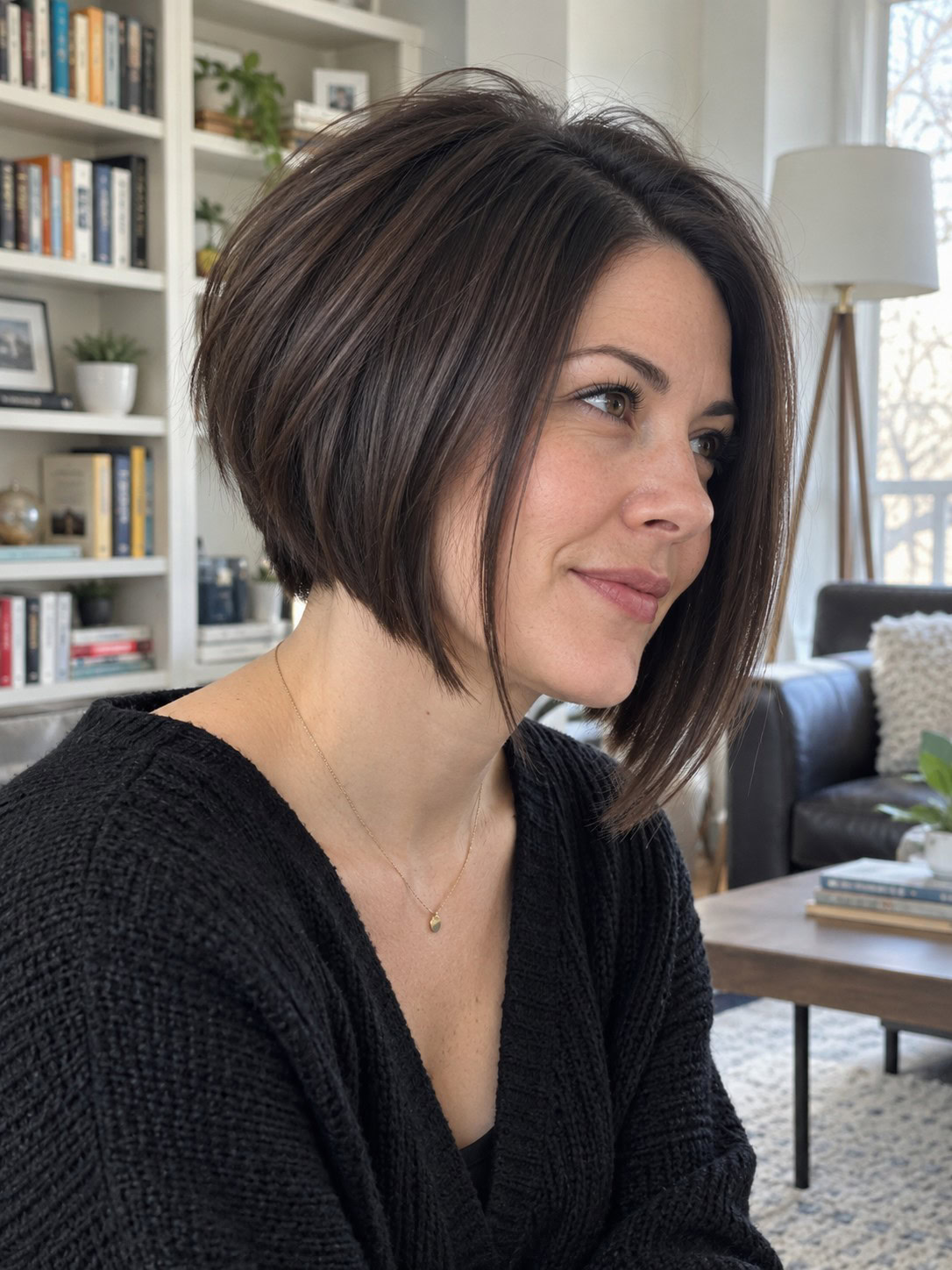
The inverted bob takes the A-line idea and turns up the drama, with a steeper angle from back to front and a heavily graduated, stacked back. The result is serious lift at the crown falling into longer, face-framing pieces at the front. It packs a lot of the volume tricks into one cut, the stack for height and the angle for the illusion of density. It does need regular trims to hold that sharp angled shape, so factor in the salon visits.
Rounded Bob
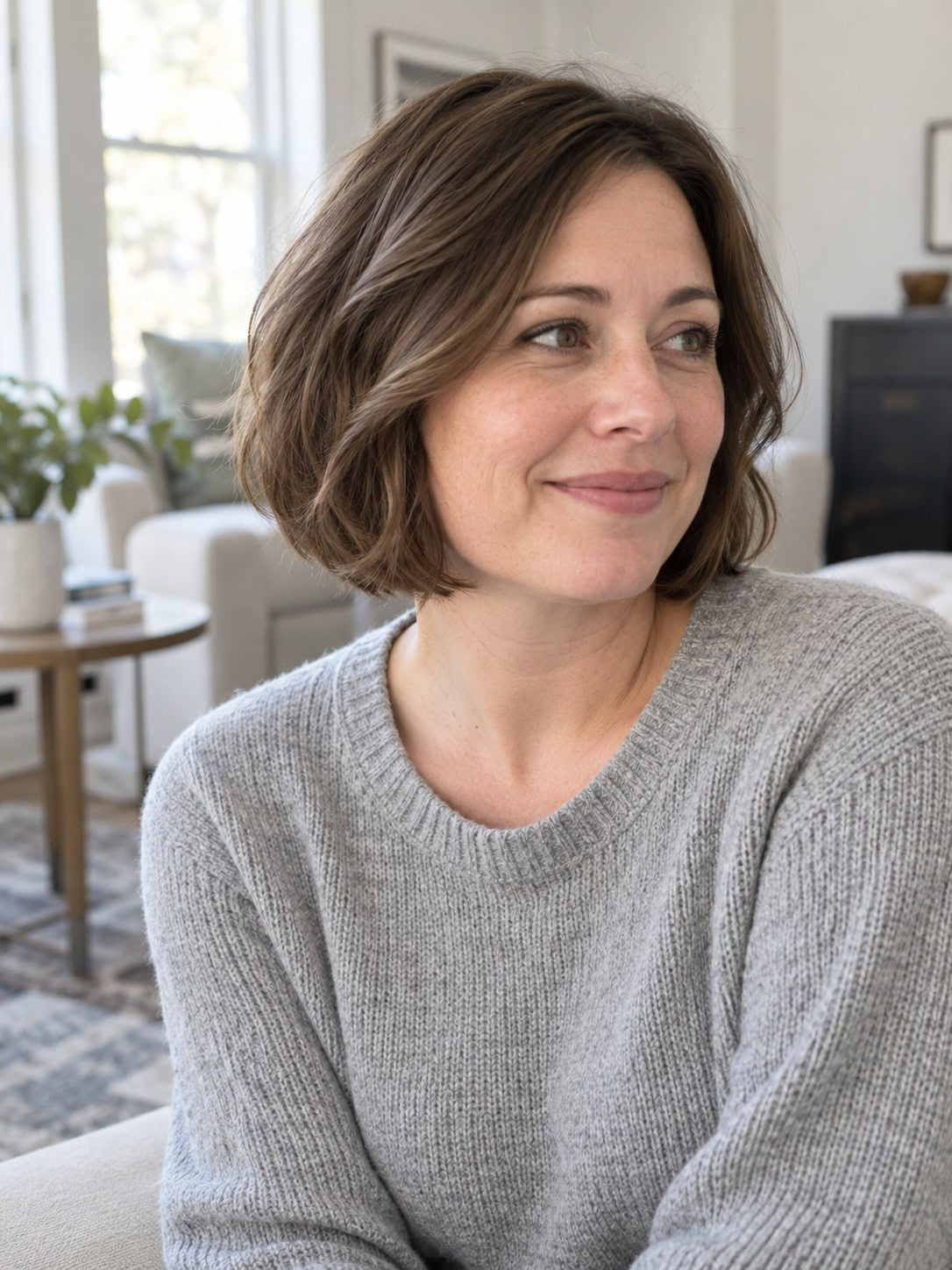
A rounded bob curves the whole cut into a soft dome, fullest through the middle and tucking gently under at the ends. Rather than stacking the volume at the back like a graduated bob, it spreads a gentle fullness evenly around the head. That rounded body flatters fine hair because it fills out the shape without any obvious layering. It loves a round brush and sits beautifully on straight-to-wavy hair with a bit of natural bend.
Micro Bob
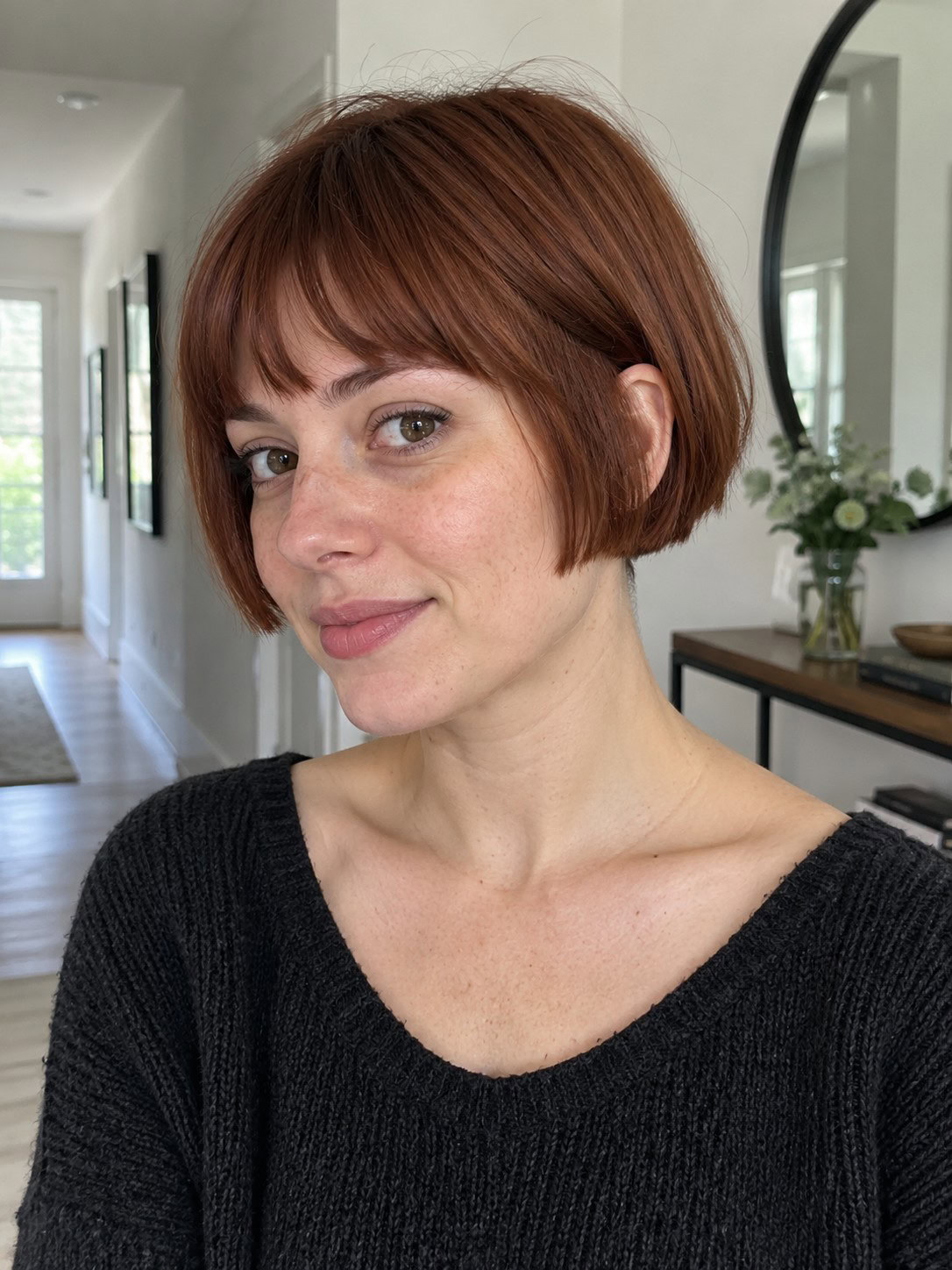
A micro bob is the shortest bob of the bunch, cut up around ear length or just below. Going this short is one of the most effective moves for very fine hair, since there is almost no length pulling it down and the whole cut looks thick and full. It is bold and it does commit you to regular trims, but the payoff in fullness is hard to beat. A blunt edge keeps it looking dense rather than wispy.
Blunt Lob
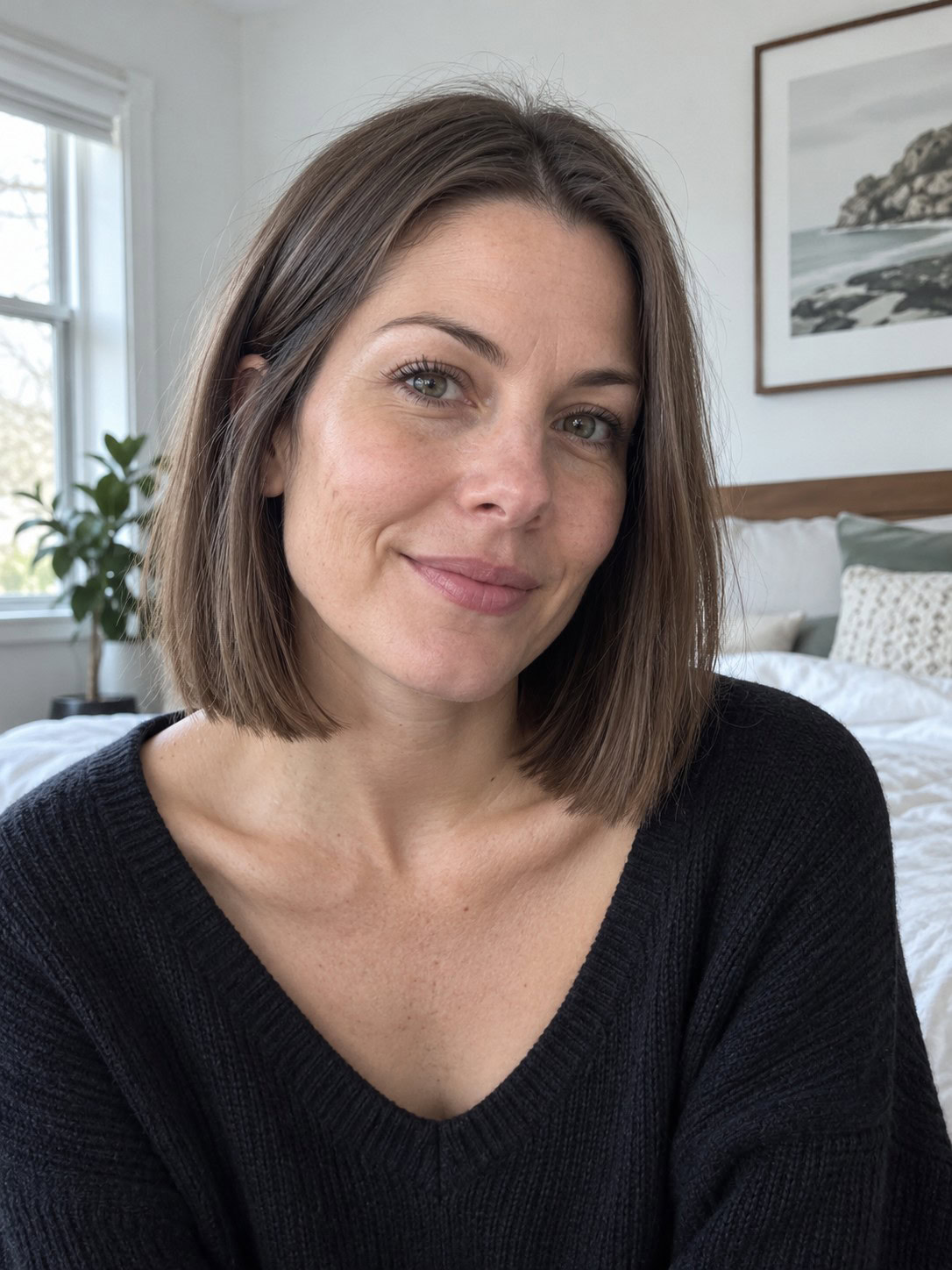
For anyone not ready to go short, the blunt lob is the longest length that still flatters fine hair well. It sits around the collarbone with a heavy, one-length edge, keeping the ends looking full instead of stringy. Past this length, thin hair tends to lose the battle with gravity, so the lob is a sensible ceiling. Skip the layers and keep the perimeter blunt, and a light texture spray adds grip and the appearance of body.
Collarbone Blunt Cut

A collarbone cut lands where a lob does but leans a touch more relaxed and less structured, worn straight or with a soft bend. The blunt perimeter is still the point, keeping weight and fullness along the bottom edge. This is a nice middle ground for fine hair that wants some length without the flatness longer cuts bring. Style it with a slight wave through the mid-lengths to add width, and keep the ends heavy and clean.
One-Length Long Cut
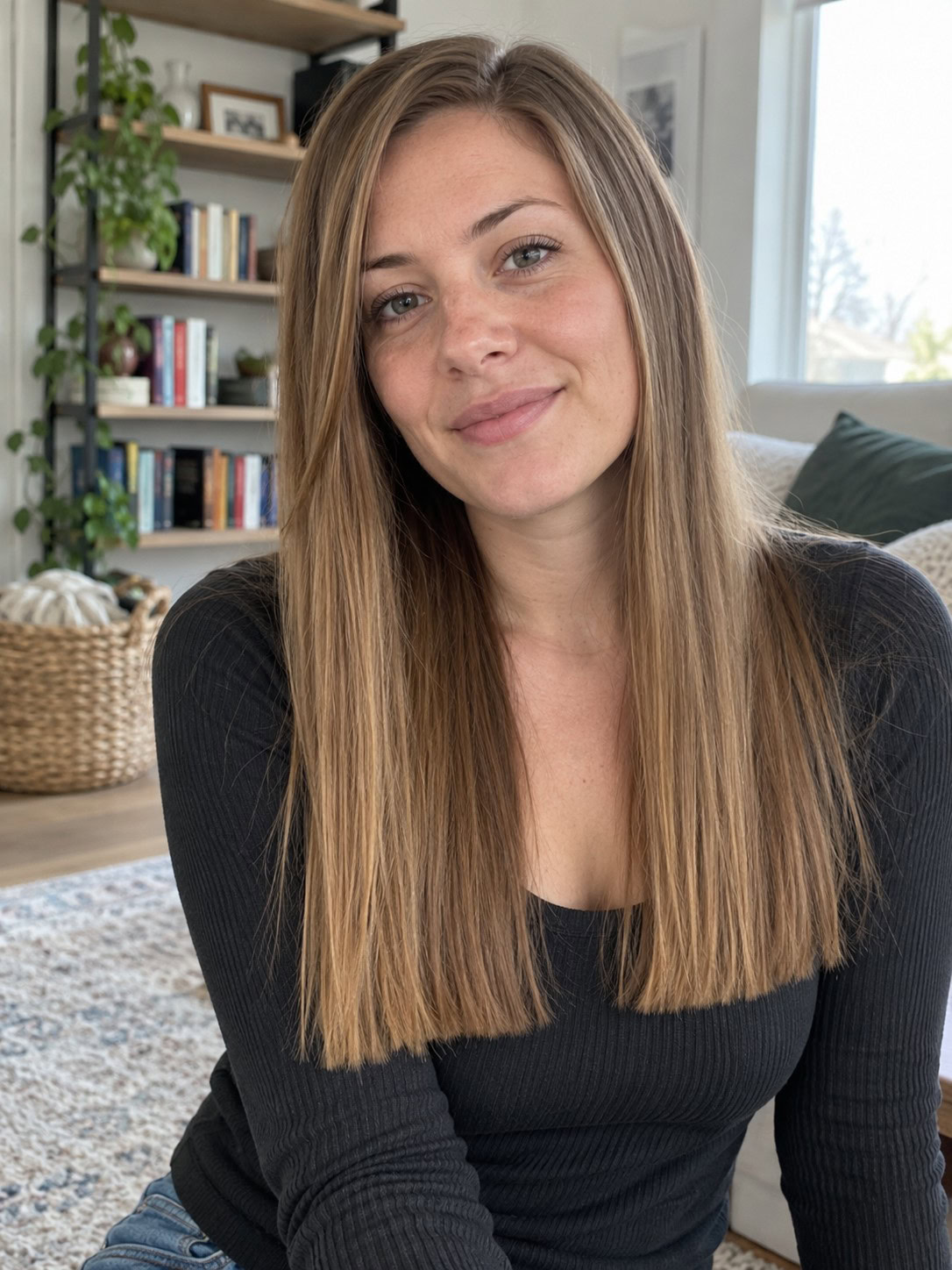
Long hair and fine hair are a tricky pair, but it can work if you play by strict rules. That means one blunt length with no layers, so every strand pulls its weight at the bottom and the ends stay thick rather than thinning to a wispy point. Be honest with yourself though, even done well, long fine hair looks flatter than a shorter cut would. If you love the length, keep it strictly one-length and keep the ends healthy, since damage looks sparsest of all.
Classic Pixie
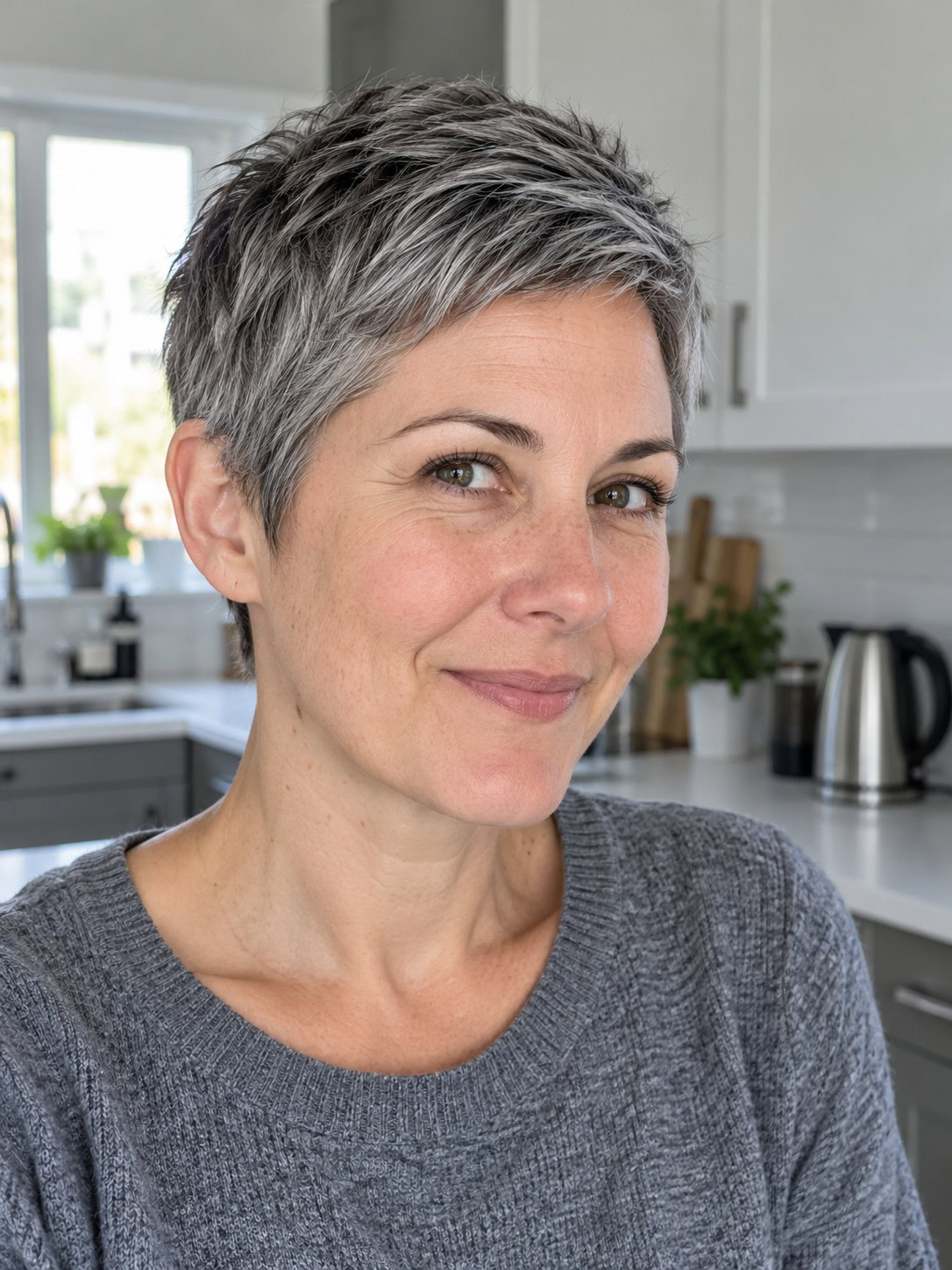
A pixie is fine hair's secret weapon. Cropped short all over, there is no length left to fall flat, so what you have stands up and looks full and dense. It puts the focus on your face and takes minutes to style. The catch is commitment, a pixie needs a trim every four to six weeks to hold its shape, and growing it out takes patience. But for sheer fullness per strand, nothing beats going short.
Textured Pixie
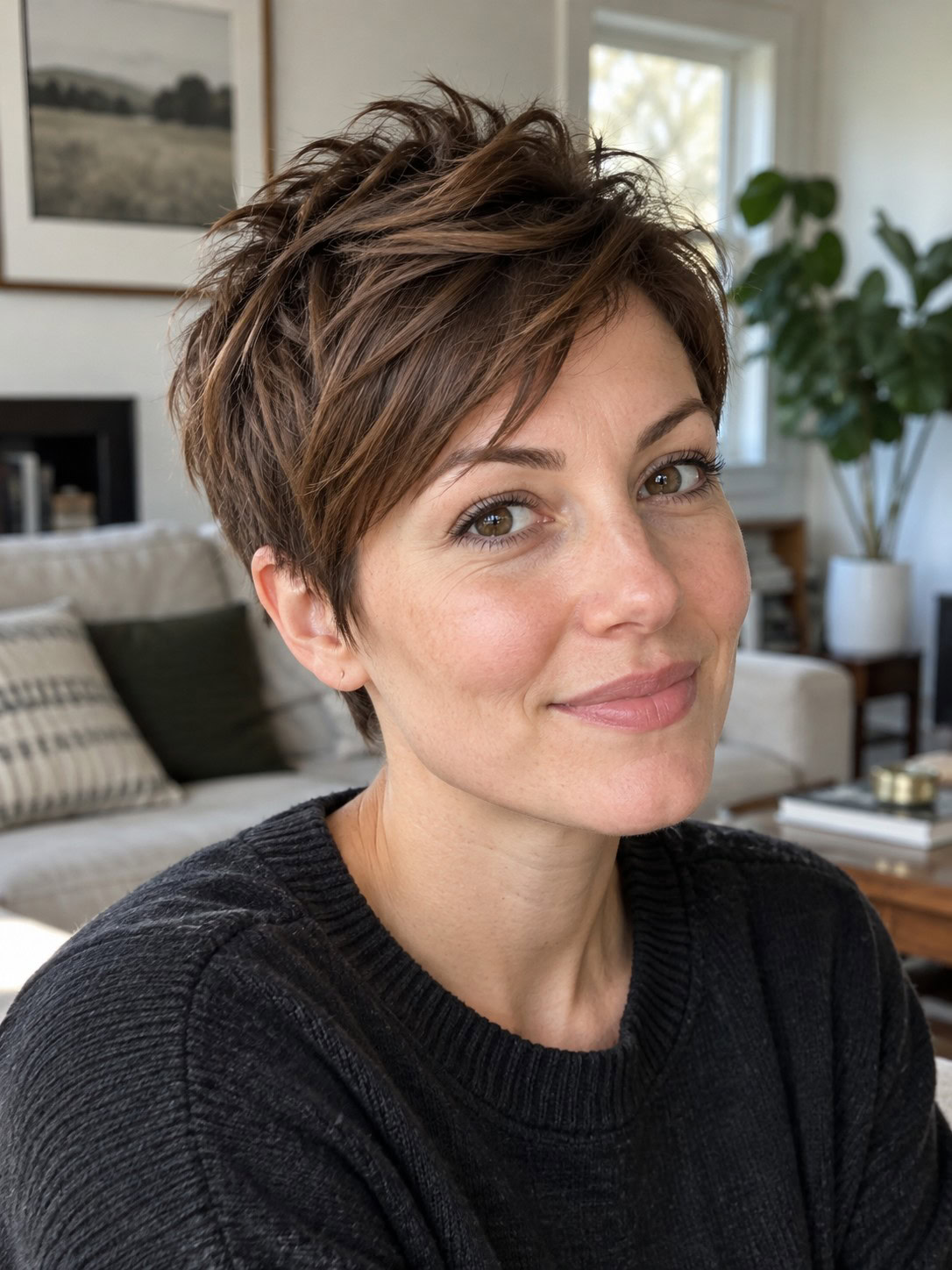
A textured pixie keeps the short length but adds piecey separation on top for lift and movement. The key is how the texture is made, ask for point-cutting rather than thinning shears, which would strip out density you cannot spare. Done right, the separated pieces catch the light and look fuller, not thinner. A little matte paste through the top holds the texture and adds grip. It asks for slightly more styling than a classic pixie, with more volume in return.
Bixie
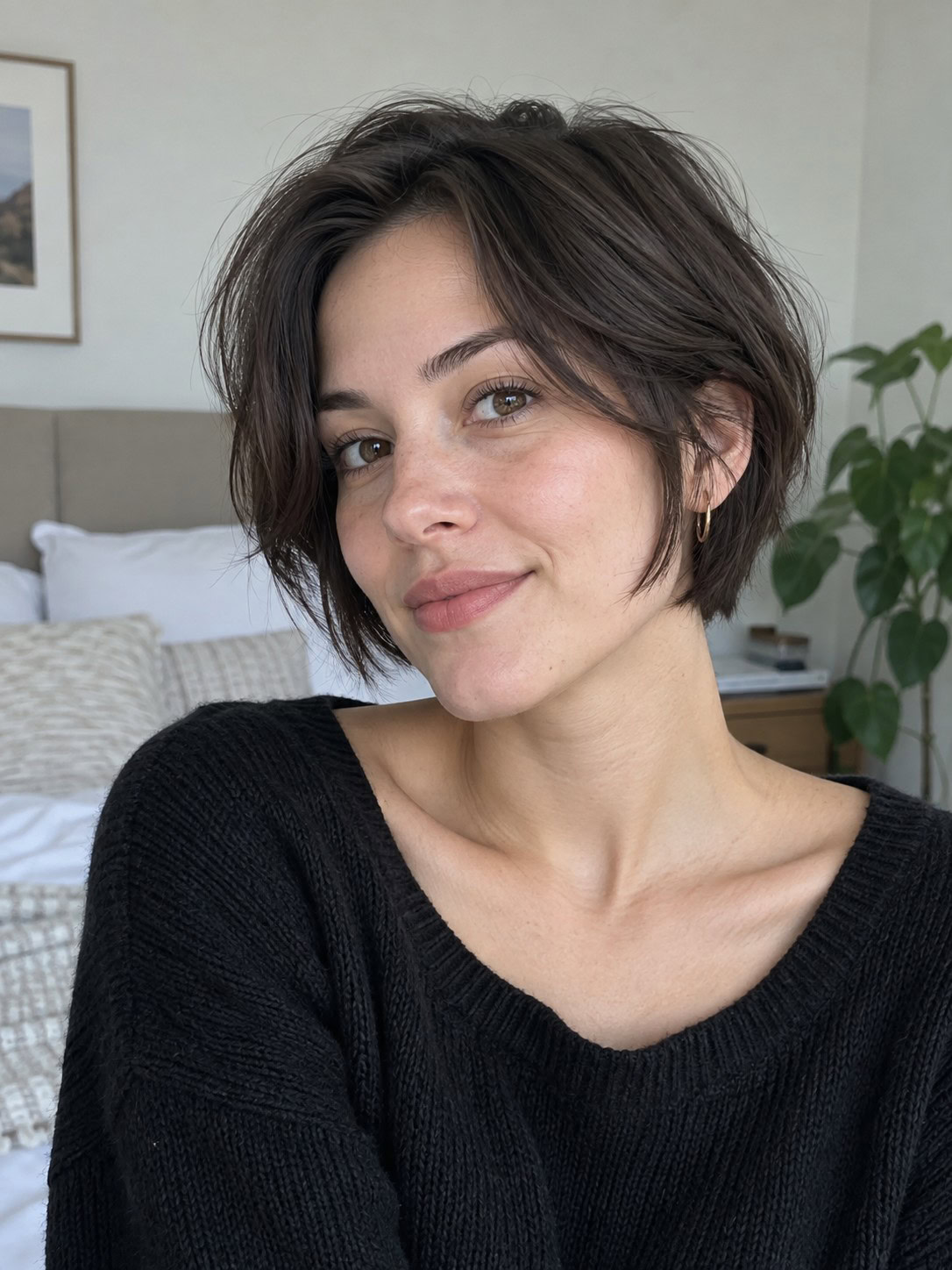
The bixie is the cut everyone is asking for, a hybrid sitting between a bob and a pixie at around jaw length. For fine hair it hits a sweet spot, the fullness of a bob with the lightness and lift of a pixie. Internal layering keeps it airy and full around the face without going see-through at the ends. It grows out kindly too, which softens the commitment. If you cannot decide between a bob and a pixie, this is your answer.
Textured Crop
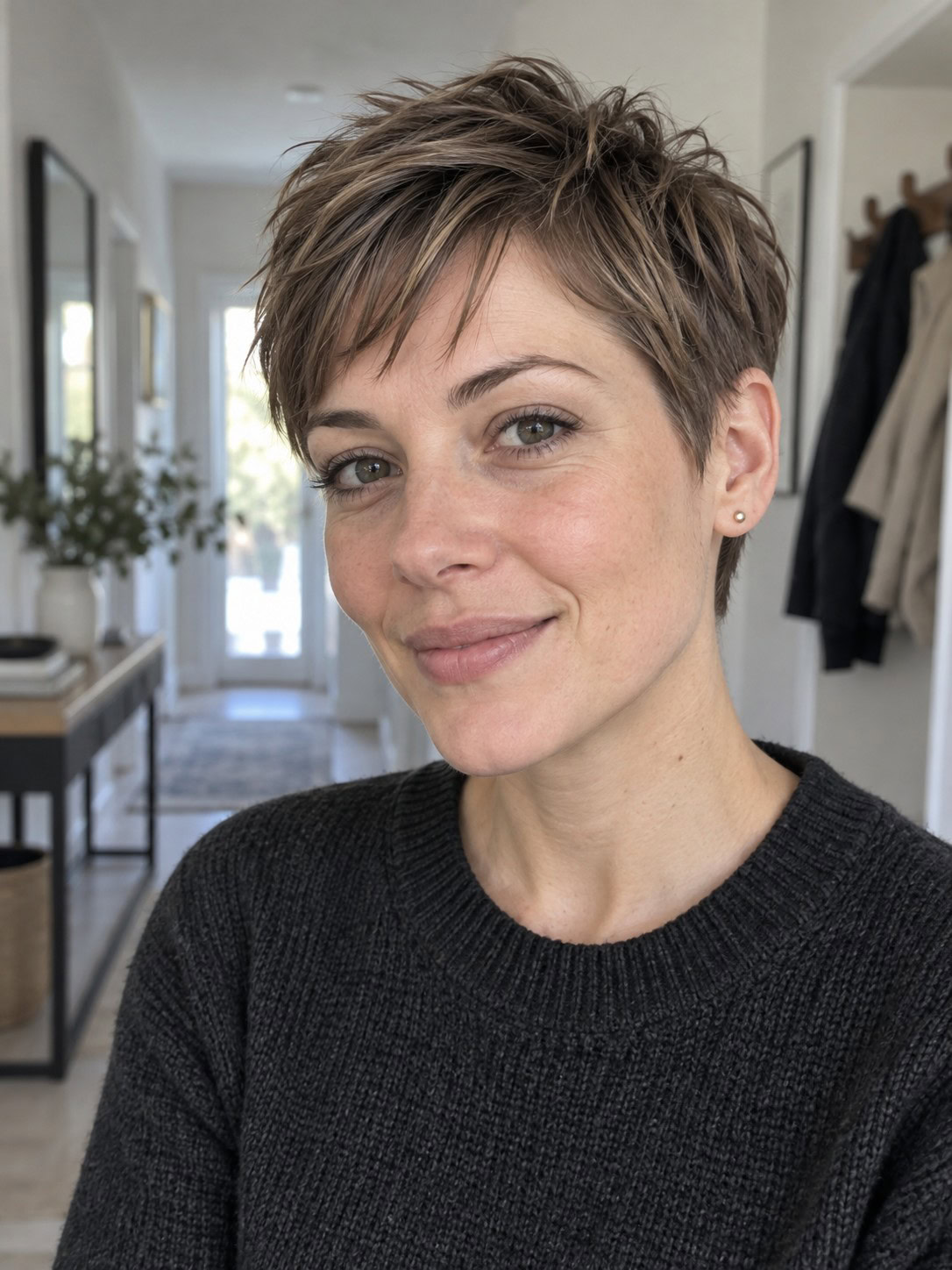
A textured crop is short, structured, and full of attitude, usually paired with a little fringe up front. It sits shorter than a pixie through the back and sides with a scattering of texture on top for height. On fine hair the short, dense shape looks thick, and the texture keeps it from lying flat. It is a strong, modern cut that suits angular faces well. Ask for point-cutting to build the texture without sacrificing density.
Curtain Bangs
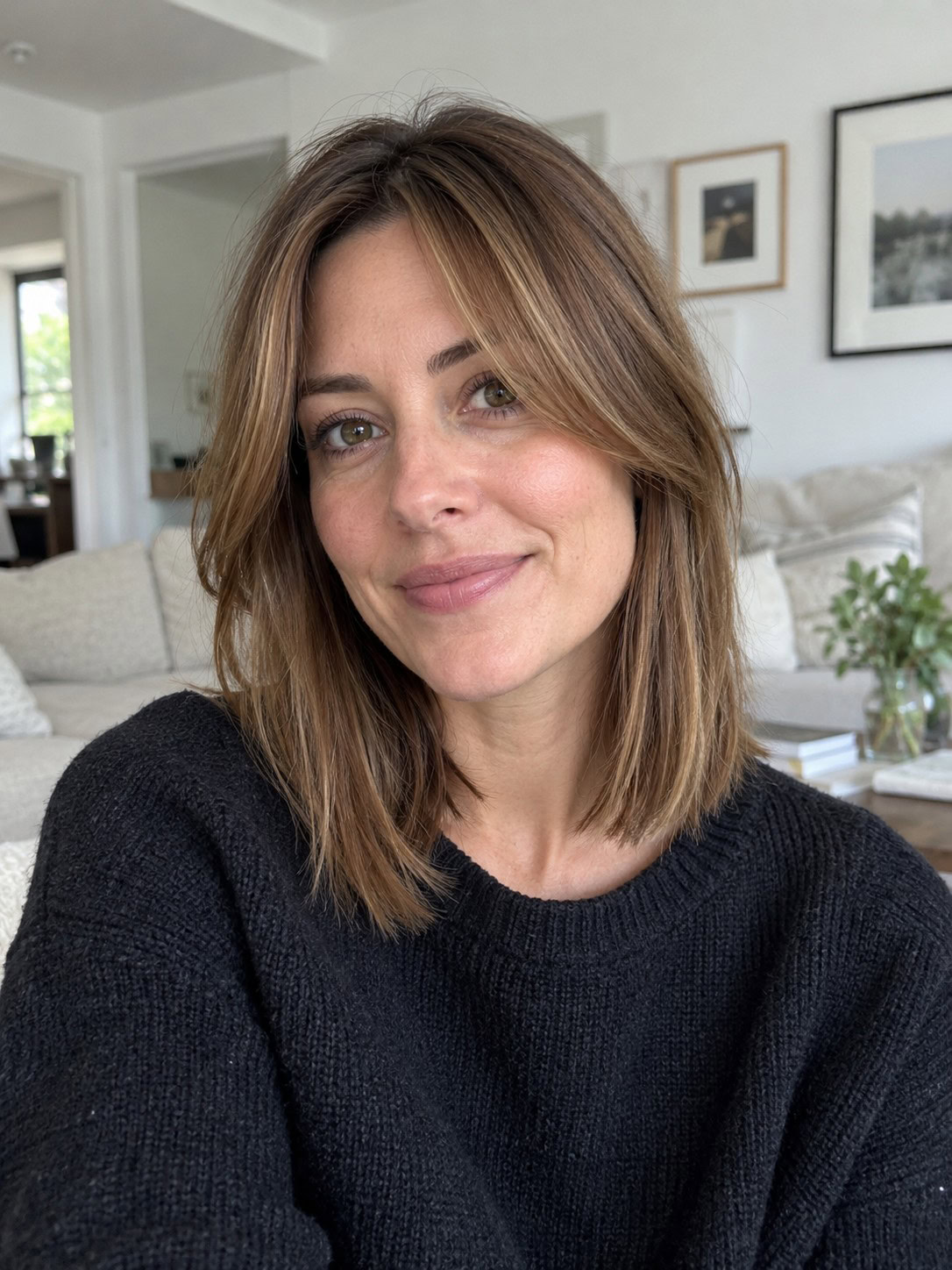
Curtain bangs frame the face with longer pieces split down the middle, sweeping open on either side. On thin hair they pull a little fullness forward to the front, softening the face and adding interest where a plain cut can look flat. They blend into almost any length, from a bob to a lob, and grow out without an awkward stage. Keep them soft and slightly wispy rather than dense, so they do not borrow too much hair from an already-fine top.
Wispy Fringe
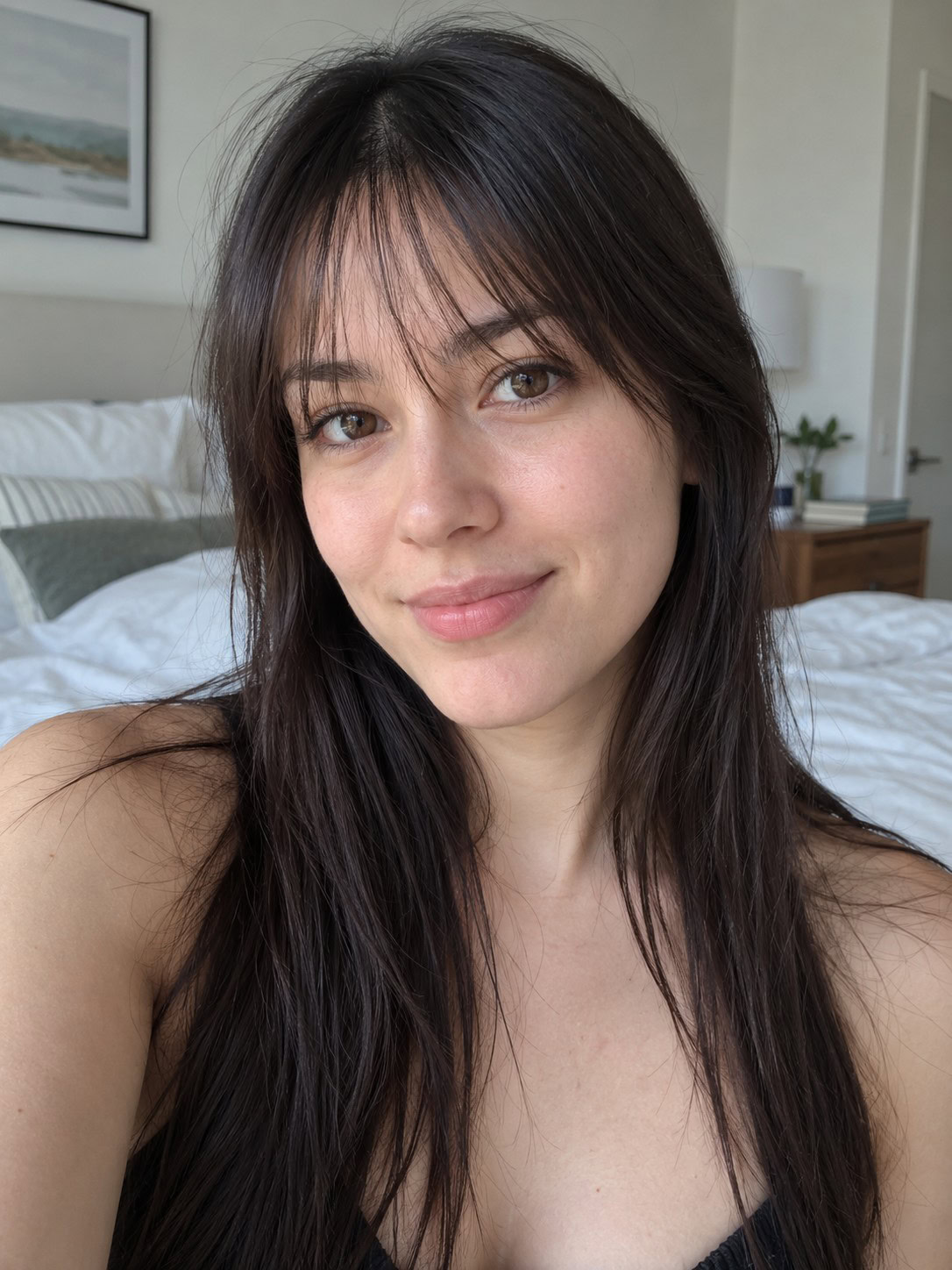
A wispy, see-through fringe is a gentler take on bangs, made of fine, feathered pieces that barely graze the brows. It suits thin hair especially well because it does not demand much density to look right, the airy, gappy quality is the point. It softens the face without the heaviness a full fringe would need, and it stays light and youthful. Trim it often, since a fringe grows into your eyes faster than you expect.
Side-Swept Bangs
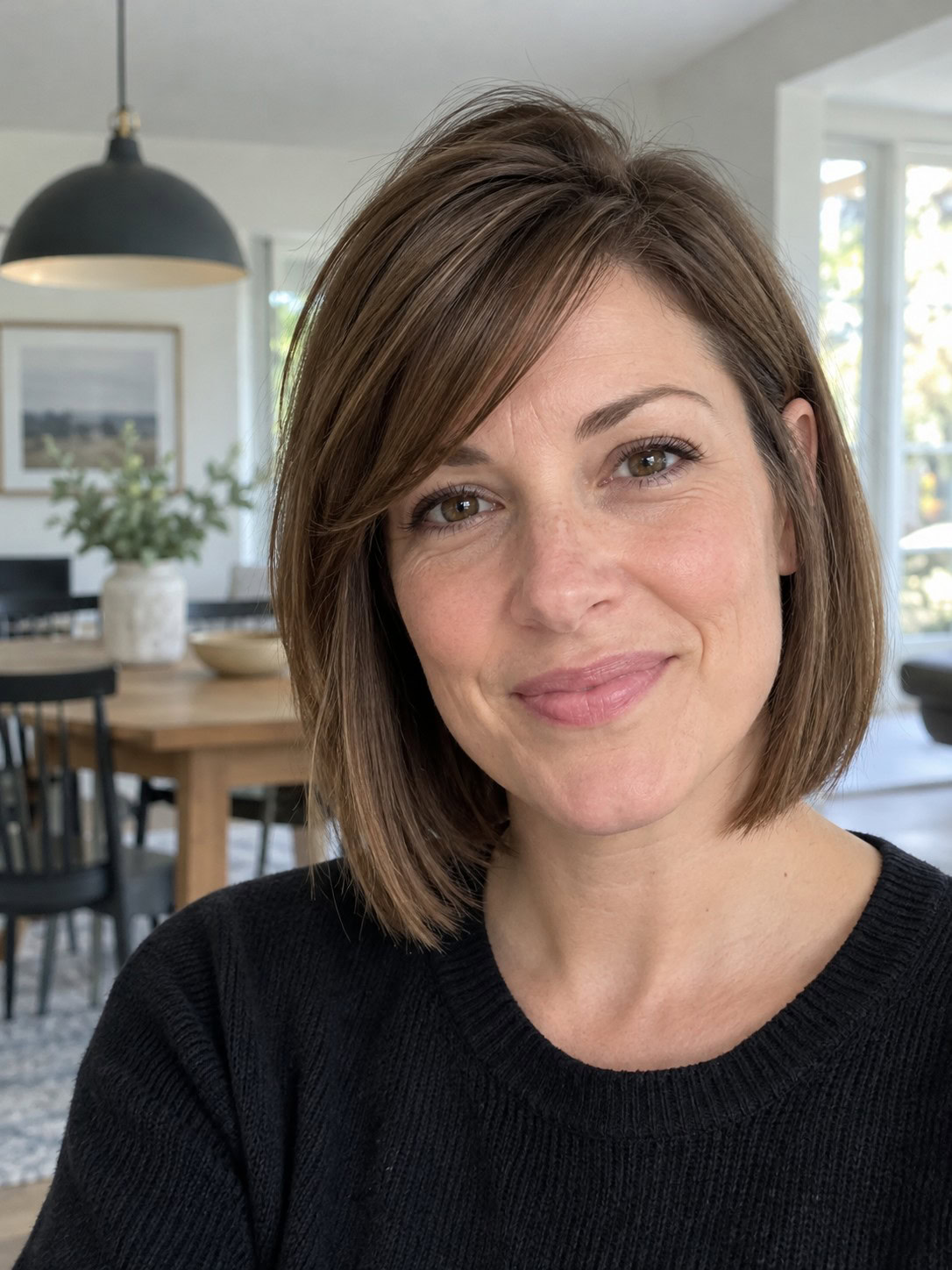
Side-swept bangs sweep at an angle across the forehead, and the diagonal does something clever for thin hair. Sweeping the fringe to one side creates a little lift and fullness at the root where it starts, and the angle adds movement across the front. They blend into face-framing pieces and grow out gracefully. This is a good option if a straight-across fringe feels too heavy, since the sideways sweep uses less hair and looks softer against fine strands.
Invisible Layers
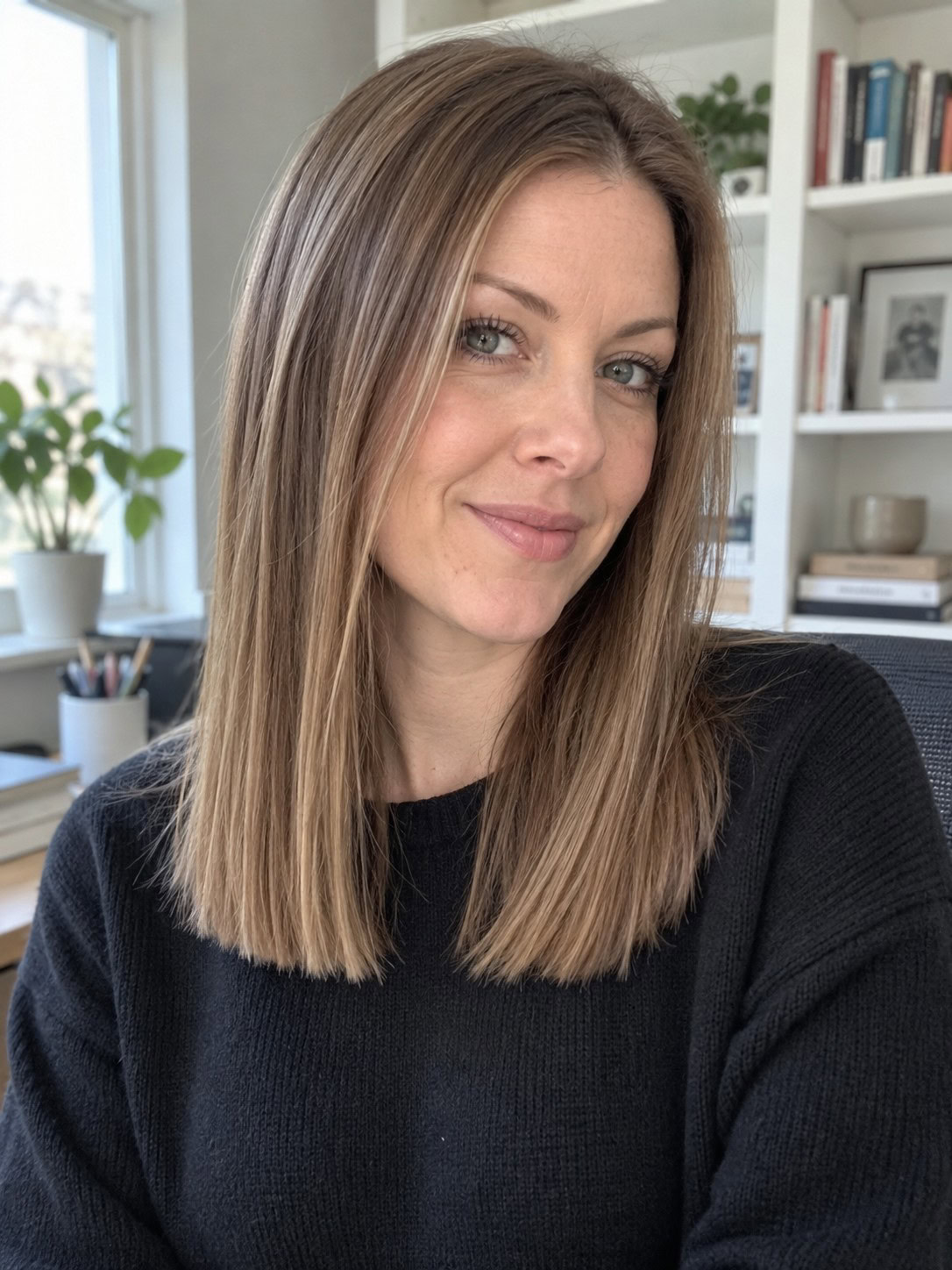
Invisible layers, sometimes called ghost layers, are cut hidden underneath the top section so they add body and bounce while the surface still looks like one clean, blunt length. This is the layering technique made for fine hair, because it builds movement without the see-through ends that ordinary layers leave behind. You get the swing and lift of a layered cut with the fullness of a blunt one. Ask for them by name, since not every stylist cuts them and it takes a careful hand.
Face-Framing Layers
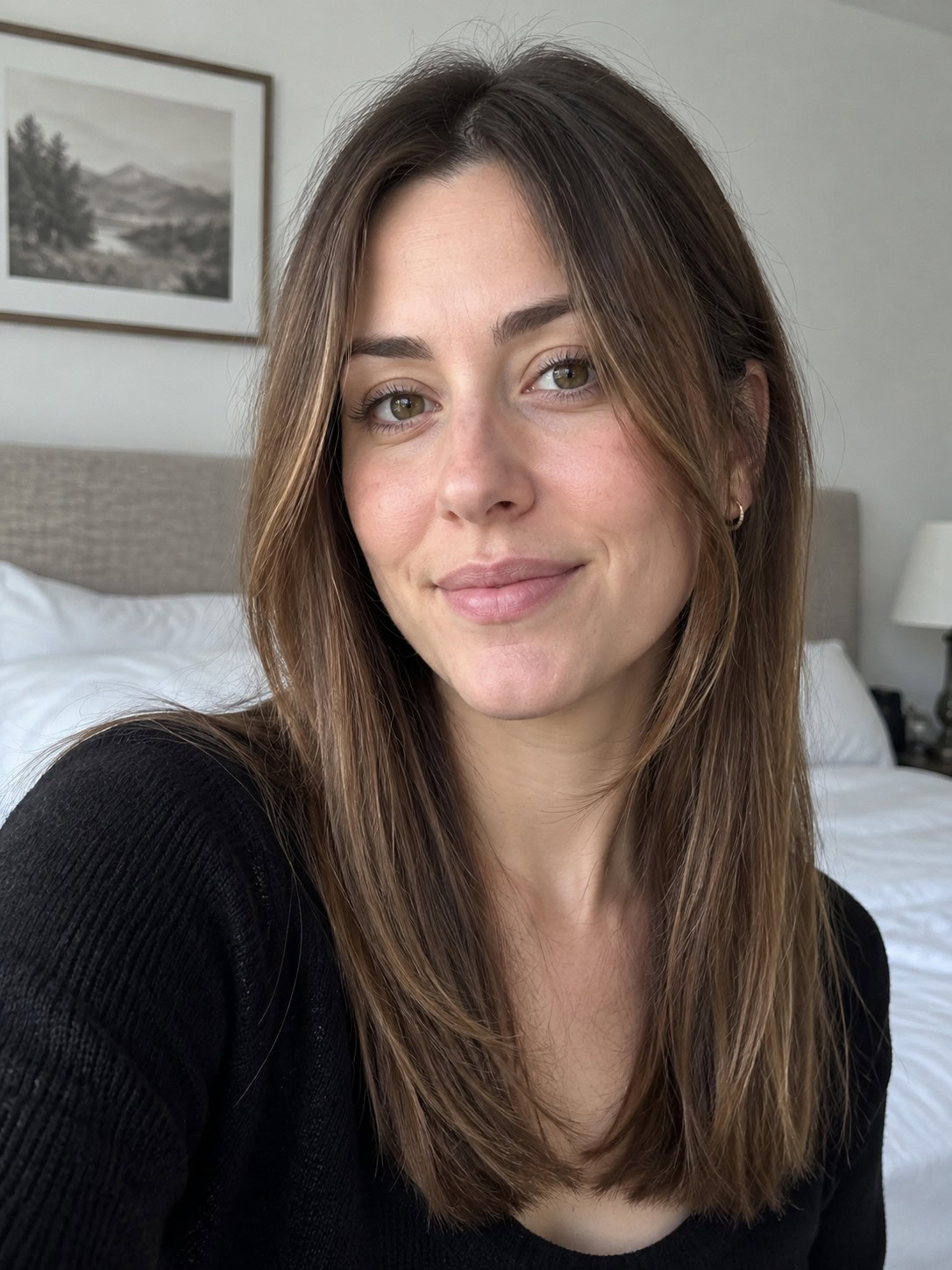
A few soft layers cut around the face are the safest layering you can add to thin hair. Kept to just the front pieces and left long, they shape the hair around your cheekbones and jaw without touching the density through the rest of the cut. They add a little movement and softness where it flatters most. The rule is restraint, a handful of long, gentle pieces only, since layering any deeper into fine hair quickly starts working against you.
Wavy Bob
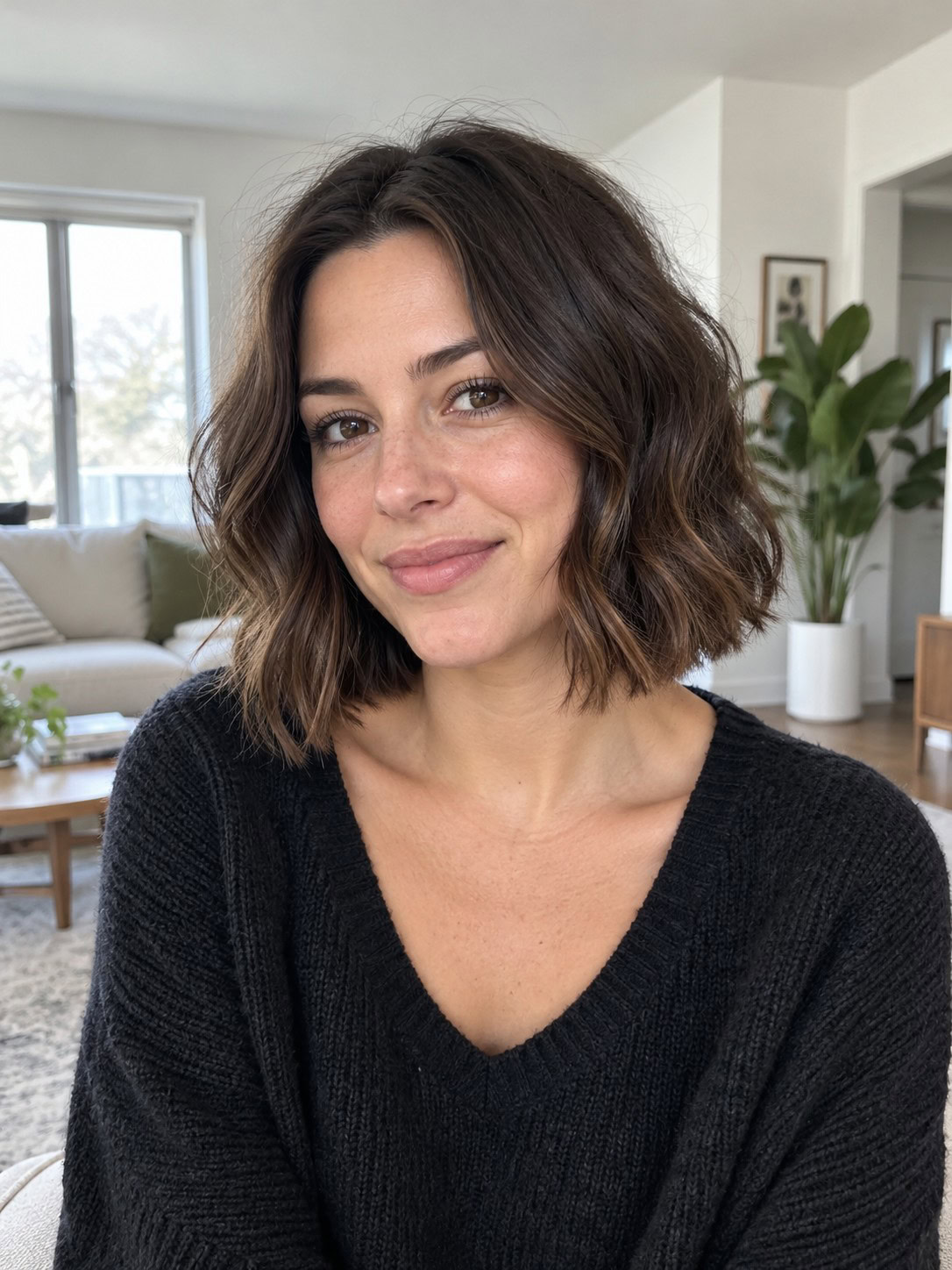
Cutting a bob and styling it with a soft wave is one of the quickest ways to fake fullness. The bends and kinks of a loose wave add width and take up more space than flat hair, so fine strands look thicker instantly. Keep the cut a blunt bob so the ends stay heavy, then wave the mid-lengths with a wand and finish with a texture spray. Fine hair holds a wave less stubbornly than thick hair, so set it with a little product and it lasts the day.
Deep Side Part
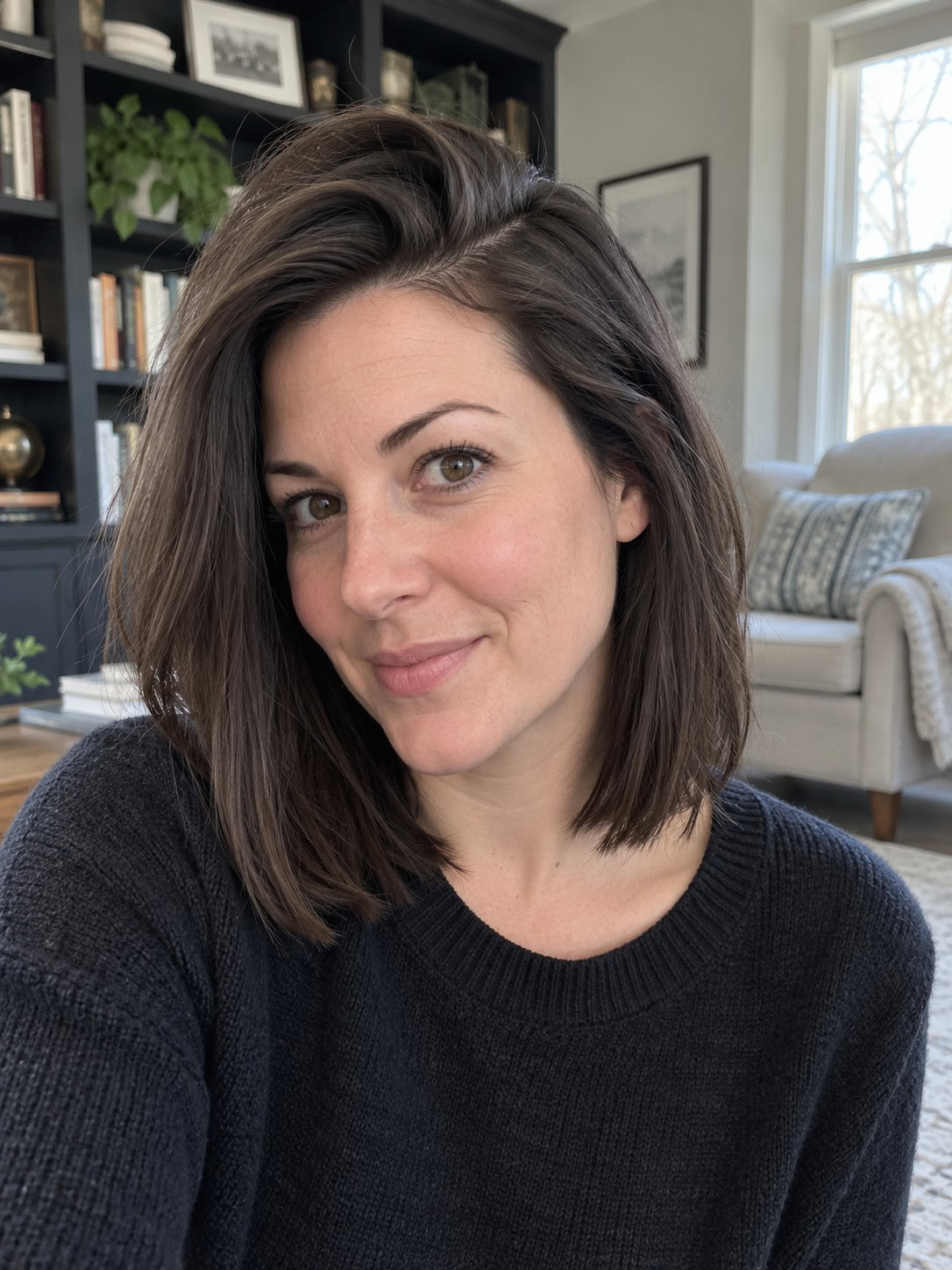
Where you part your hair changes its volume more than you might think. A deep side part forces the hair up and over, building instant lift at the root and a natural sweep of fullness on the heavier side. It works on almost any cut, no scissors required, just a comb and a few days of retraining the part. One honest note, a deep part can expose the scalp along the line, so if yours shows, a soft zigzag part hides it while keeping the lift.
Volumizing Body Perm
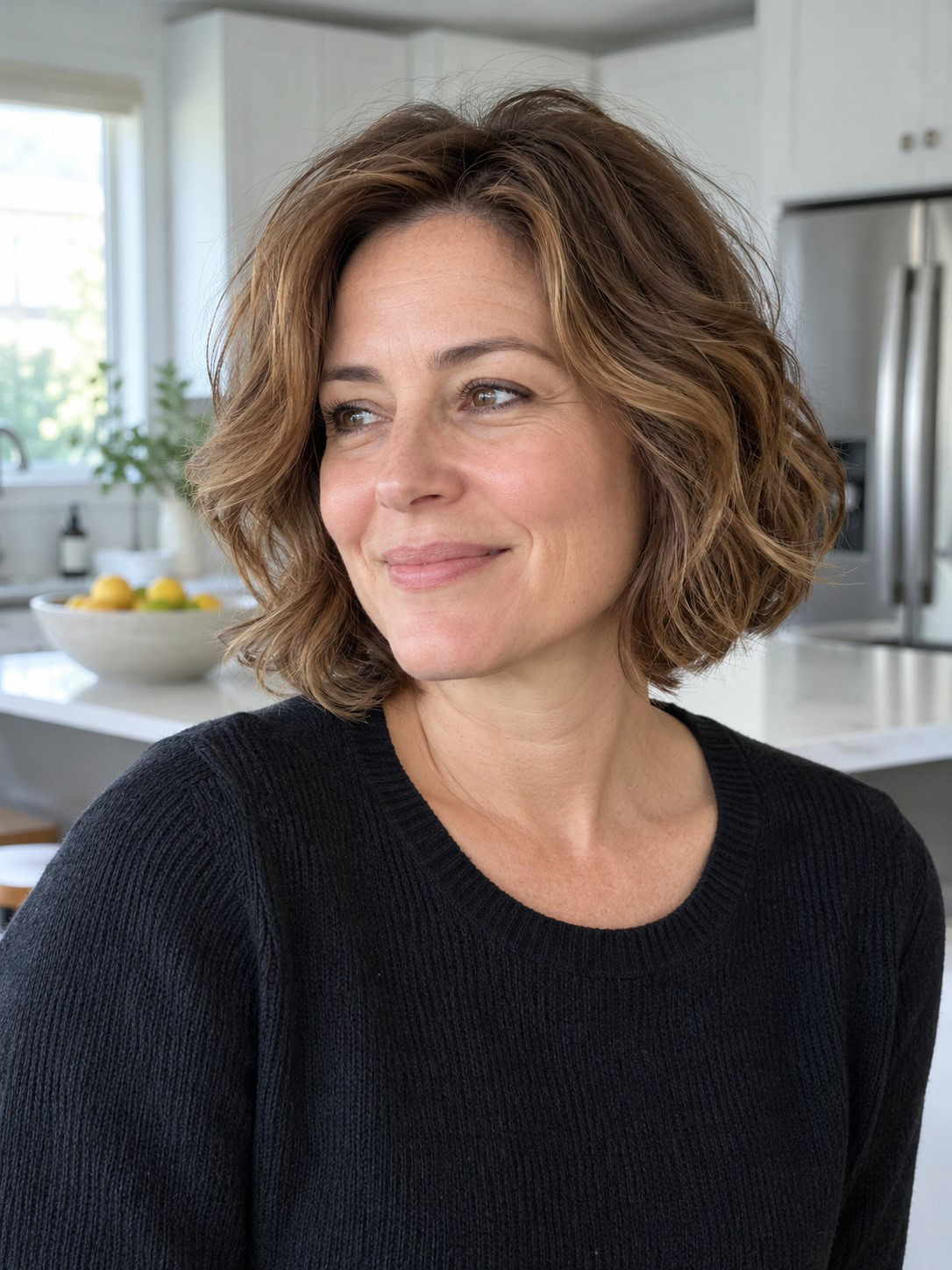
A modern body perm is nothing like the tight curls of decades past. Today's version adds soft, loose bends and root lift that build lasting body into fine hair, so it holds volume without daily heat styling. It can make a real difference for stubbornly flat hair. The honest trade-off is that it is a chemical process, and fine hair is fragile, so it must be done by someone experienced and followed with regular deep conditioning to keep the hair from drying out.